Everest Base Camp Trek

Trip Difficulty: Moderate

Trip Days:16

Max Elevation: 5,545 meters (18,192 ft)

Daily Activity: 5-6 Hours Trek

Trip Starts: Lukla

Trip Ends: Lukla
Walk through the Khumbu to the foot of the world’s highest mountain
The Everest Base Camp Trek follows the Dudh Koshi and Imja Khola valleys from Lukla into the high Khumbu, crossing suspension bridges, Sherpa settlements, monastery country and glacial terrain before reaching base camp at 5,364 metres. The highest point on this 16-day program is Kala Patthar, generally listed at about 5,545 metres, where the view opens toward Everest, Nuptse, Pumori and the upper Khumbu Glacier.
The route is famous, but familiarity should not be confused with ease. Above Namche Bazaar, every stage is shaped by altitude. Walking speed drops, sleep changes and simple tasks take more effort. Two acclimatization days are built into the itinerary, first at Namche and later at Dingboche, because a safe journey depends less on fitness than on how well the body adapts to reduced oxygen.
The trail also carries more cultural depth than its destination-first reputation suggests. Prayer wheels line village entrances. Mani stones appear beside the path. Tengboche and Pangboche connect the trek with long-standing Buddhist traditions, while Namche remains a trading centre where mountain commerce, expedition history and modern trekking infrastructure meet.
The trip begins with a short mountain flight to Lukla. During busy trekking periods, airlines may operate Lukla services from Ramechhap rather than Kathmandu, requiring an early road transfer. Weather, visibility and traffic can delay either arrangement. The itinerary therefore includes a contingency day in Kathmandu after the return flight.
Kudos Expeditions manages those operational details while the trekking guide controls pace, health checks and daily lodge arrangements. The aim is not to push a fixed timetable through every condition. It is to reach Everest Base Camp responsibly, preserve enough energy for Kala Patthar and return to Lukla with the group healthy.
Everest Base Camp Trek at a glance
| Trip detail | Information |
| Destination | Everest Base Camp, Khumbu, Nepal |
| Highest point | Kala Patthar, about 5,545 m |
| Everest Base Camp | 5,364 m |
| Trip length | 16 days |
| Trekking days | About 12 days |
| Difficulty | Moderate to challenging |
| Daily walking | Normally 5–7 hours; longer on major days |
| Start and finish | Lukla |
| Key acclimatization stops | Namche Bazaar and Dingboche |
| Protected area | Sagarmatha National Park |
| Main communities | Sherpa settlements of the Khumbu |
| Accommodation | Kathmandu hotel and mountain teahouses |
| Best-known seasons | March–May and October–November |
| Major flight factor | Lukla flights may operate via Ramechhap in peak periods |
What makes the Everest Base Camp route different
The journey has two objectives rather than one. Everest Base Camp places you beside the Khumbu Glacier and, during the main spring expedition period, near the temporary climbing camp. Kala Patthar provides the clearer mountain viewpoint. Everest itself is partly hidden from base camp by surrounding terrain, while the ridge above Gorak Shep reveals a much more complete perspective.
The approach is equally important. The climb to Namche Bazaar moves through pine forest and river gorges. Beyond Tengboche, trees become scarce and dry stone walls divide high-altitude fields. Above Lobuche, the landscape is almost entirely moraine, ice and rock. Few treks show such an obvious transition from inhabited valley to glacial headwall.
The route is also inseparable from Sherpa history. Villages such as Khumjung, Pangboche and Dingboche are working communities, not decorative stops. Monasteries, mani walls and seasonal herding routes reflect a culture adapted to high elevation long before trekking became the region’s major economy.
Sagarmatha National Park, established around the upper Khumbu and listed as a UNESCO World Heritage Site in 1979, protects the landscape crossed by the trek. Its altitude range supports pine, fir, birch, juniper and alpine vegetation, along with Himalayan tahr, musk deer and numerous high-mountain birds.
Highlights
- Reach Everest Base Camp at 5,364 metres beside the Khumbu Glacier.
- Climb Kala Patthar for a close view of Everest, Nuptse and Pumori.
- Fly to Lukla, the principal air gateway to the Khumbu.
- Cross the high suspension bridges above the Dudh Koshi.
- Spend two nights in Namche Bazaar for acclimatization.
- Visit Tengboche Monastery and pass the historic village of Pangboche.
- Walk beneath Ama Dablam through the Imja Khola valley.
- See memorials above Thukla dedicated to climbers and Sherpa mountaineers.
- Sleep in Gorak Shep, the last lodge settlement before base camp.
- Travel with local guide and porter support through Sagarmatha National Park.
Altitude, Difficulty and Preparation
How difficult is the Everest Base Camp Trek?
The trek is moderate to challenging. It requires no technical climbing, yet it involves roughly two weeks of repeated walking, two nights around 5,000 metres and a maximum elevation above 5,500 metres.
The hardest element is not a single steep slope. It is cumulative fatigue combined with reduced oxygen. Strong sea-level fitness helps with the workload but does not predict acclimatization.
Trail surfaces include stone steps, forest paths, suspension bridges and loose glacial moraine. The Kala Patthar ascent and the long base-camp descent are particularly demanding.
Acute mountain sickness
Common early symptoms include headache, nausea, dizziness, poor appetite, unusual fatigue and disturbed sleep. Symptoms must be reported immediately.
Loss of coordination, confusion, breathlessness at rest or a persistent wet cough can indicate severe altitude illness. The correct response is rapid descent and emergency care, not continuing toward the next lodge.
The itinerary includes active acclimatization at Namche and Dingboche. During these days, climb higher and return to sleep lower. A rest day spent entirely in bed provides less acclimatization benefit.
Medication such as acetazolamide should be discussed with a doctor before travel. A guide can explain operational practice but should not replace medical advice.
Training
- Begin 10–12 weeks before departure.
- Complete one long hilly walk each week.
- Add two or three aerobic sessions such as cycling, running or inclined walking.
- Use squats, lunges, step-ups and calf raises for climbing strength.
- Practise controlled descents and use trekking poles.
- Complete back-to-back walking days during the final month.
- Taper during the final week and arrive rested.
Best Time and Weather
Spring: March to May
March begins cold and can retain snow above 4,000 metres. April is busy, with generally stable mornings and the main Everest expedition season developing at base camp. May becomes warmer, while afternoon cloud and pre-monsoon weather increase.
Autumn: October to November
October usually provides stable post-monsoon conditions and clear mountain views, but trails and lodges are crowded. November is colder, often with crisp visibility and fewer trekkers later in the month.
Winter: December to February
Winter trekking is possible for properly equipped groups. Temperatures at Lobuche and Gorak Shep can fall far below freezing, some lodge services are reduced and snow can affect Kala Patthar or the base-camp trail.
Monsoon: June to September
Cloud and rain disrupt lower trails and Lukla flights. The upper Khumbu lies partly in a rain shadow, but access remains unreliable. A flexible schedule and substantial flight buffer are essential.
Lukla and Ramechhap flights
Ramechhap Airport is used as an important hub for Lukla flights during peak trekking periods. Airline schedules and airport allocation can change by season. The page should explain this possibility without promising a fixed departure airport months in advance.
Teahouses, Food and Trail Services
Accommodation
Teahouses provide simple twin rooms with beds, mattresses, pillows and blankets. Bedrooms are usually unheated. Dining rooms may be warmed in the evening.
Bathrooms are often shared. Hot showers, charging and Wi-Fi normally cost extra. At Gorak Shep and Lobuche, water and power are limited, and facilities should be expected to be basic.
Rooms can sell out in peak season. Guide coordination is important, but a private room cannot always be guaranteed at the highest stops.
Food
Dal bhat, fried rice, noodles, soup, potatoes, pasta, momos, eggs, porridge and bread are common. Menus are broad in Namche and narrower higher up.
Supplies are carried by people, pack animals and aircraft, so prices increase with altitude. Many trekkers avoid meat in the upper valley because refrigeration and transport are limited.
Eat even when appetite falls. Carbohydrate-rich meals are generally easier to digest and support sustained walking.
Water, charging and internet
Use boiled water, a reliable filter or an approved purification method. Carry reusable bottles. Charging, Wi-Fi and mobile reception are available in parts of the route but should not be treated as guaranteed services.
Permits, Insurance and Responsible Travel
Permits
The standard route enters Sagarmatha National Park and the Khumbu Pasang Lhamu Rural Municipality. Current local and park fees must be arranged and carried for checks.
The live page also lists TIMS. Because permit rules can change, the booking team should verify the exact documents required for the client’s nationality and departure date rather than relying on static copy.
Insurance
Insurance is mandatory and must cover trekking above 5,545 metres, emergency medical treatment, helicopter evacuation and repatriation. A policy that covers only the highest overnight altitude is not sufficient because Kala Patthar is higher than Gorak Shep.
Guides and porters
Guides manage pace, health observations, accommodation, route decisions and emergency communication. Porters carry main duffle bags within the stated weight limit. Staff wages, meals, accommodation, insurance and suitable equipment should be included in the operating cost.
Responsible behaviour
- Use refillable bottles and minimise single-use plastic.
- Carry batteries and non-biodegradable waste to proper disposal points.
- Walk clockwise around mani walls and religious structures where local custom requires it.
- Ask before photographing people or ceremonies.
- Give way to porters and pack-animal trains.
- Do not enter expedition or icefall work areas at base camp.
- Do not fly drones without the required approvals.
- Use water, fuel and electricity conservatively.
Packing List
Clothing
- Moisture-wicking base layers
- Thermal top and bottom
- Fleece or insulated mid-layer
- Down jacket
- Waterproof shell and trousers
- Trekking trousers and shirts
- Warm hat, sun hat and neck gaiter
- Light gloves and insulated waterproof gloves
- Trekking socks and dry sleeping clothes
Footwear and equipment
- Broken-in waterproof trekking boots
- Light lodge footwear
- Trekking poles
- 25–35 litre daypack
- Sub-zero sleeping bag
- Headlamp and spare batteries
- UV-protective sunglasses
- Two reusable water bottles
- Water purification method
- Power bank and dry bags
Health and documents
- Prescription medication
- Blister treatment and personal first aid
- Sunscreen and lip balm
- Hand sanitiser and hygiene supplies
- Passport and copies
- Travel-insurance certificate
- Emergency contact information
- Nepalese rupees for trail expenses
Everest Base Camp Compared with Other Treks
EBC vs Annapurna Base Camp
EBC is longer, higher and more dependent on mountain flights. ABC is greener, lower and enters a more enclosed sanctuary.
EBC vs Annapurna Circuit
The circuit crosses Thorong La at 5,416 m and travels around the Annapurna massif. EBC reaches a similar altitude range but follows an out-and-back route through the Khumbu.
EBC vs Gokyo Lakes
Gokyo is quieter and offers lake and Cho Oyu scenery. Some longer itineraries combine Gokyo, Cho La and EBC.
EBC vs Three Passes
The Three Passes route is substantially harder, longer and more exposed, crossing Kongma La, Cho La and Renjo La.
Why Trek with Kudos Expeditions?
Everest Base Camp packages are tested most when flights are delayed, a guest acclimatizes slowly or lodges are full. An experienced local operation is valuable because those situations require decisions, not promotional language.
Kudos Expeditions coordinates the Lukla connection, permits, trekking accommodation, meals included in the package and the guide-and-porter team. The guide monitors health and adjusts pace rather than treating every group as identical.
The live booking module should remain the source of current prices and fixed departures. Static content should explain the experience and inclusions without repeating amounts that may become outdated.
Frequently Asked Questions
Is the Everest Base Camp Trek dangerous?
The trail is a well-maintained hiking path without major technical climbing dangers. The primary risk is Acute Mountain Sickness (AMS). Ang Tsering Sherpa prioritizes a 95% safety margin, utilizing evidence-based acclimatization protocols and daily health checks to mitigate this risk.
Can you see Mount Everest from Base Camp?
No, the summit of Mount Everest is hidden by neighboring peaks like Lhotse when you are standing at Base Camp. However, Ang will guide you to Kala Patthar (5,545m) at sunrise, which provides the iconic, unobstructed view of Mount Everest.
What happens if my Lukla flight is delayed or canceled?
Lukla flights are highly weather-dependent and delays are common. Because you communicate directly with Ang—with no middlemen—we can quickly adapt logistics, arranging shared helicopter flights or adjusting the itinerary on the fly. Booking our Fixed Departures also minimizes weather risks based on our 5-year studies.
How hard is the EBC Trek for a beginner?
It is demanding but non-technical. You will hike 5 to 7 hours a day at high altitudes. If you are a beginner who has trained with cardio and hiking prior to the trip, it is entirely manageable. Ang ensures a slow pace to help your body adapt.
What are the weight limits for the Lukla flight?
Airlines enforce a strict 15 kg (33 lbs) weight limit per person, which includes both your main duffel bag (carried by our porters) and your daypack. Pack efficiently, leaving non-essential items securely at your hotel in Kathmandu.
Book the Everest Base Camp Trek
The route to Everest Base Camp is demanding because it asks the body to adapt while the landscape becomes progressively larger and less forgiving. With a measured itinerary, honest health reporting and experienced local support, it remains an achievable high-altitude journey rather than a technical expedition.
Contact Kudos Expeditions for fixed departures, private guiding, current Lukla flight arrangements and a detailed pre-trek equipment review.
Standard Everest Base Camp Trek Itinerary
Day 01
Arrival in Kathmandu (1,300 m / 4,265 ft)
Your journey begins with your arrival in Kathmandu, the capital city of Nepal, located at 1,300 meters (4,265 feet) above sea level. After landing at Tribhuvan International Airport, a representative from Kudos Exped will greet you and assist you with your transfer to your hotel. Once you arrive, you can rest and recover from your international flight, or if time permits, explore the lively streets of Thamel, which is full of restaurants, cafés, trekking shops, and cultural souvenirs. In the evening, you will attend a detailed trek briefing where your guide will explain the route, check your essential gear, discuss altitude safety, and confirm the flight plan for Lukla.Day 02
Fly to Lukla (2,860 m / 9,383 ft) and Trek to Phakding (2,651 m / 8,697 ft)
Early in the morning, you will fly to Lukla, situated at 2,860 meters (9,383 feet), a dramatic mountain airstrip widely known as the gateway to Everest. The short flight is often a highlight itself, offering scenic aerial views of Himalayan ridges and valleys. Upon landing in Lukla, you will meet the trekking team and begin your first day of hiking. The trail is gentle and mostly downhill or flat, allowing your body to gradually adjust to the trekking routine. You will follow the Dudh Koshi River, pass through small Sherpa settlements, cross suspension bridges, and walk beside mani stones and prayer wheels, before reaching the village of Phakding at 2,651 meters (8,697 feet) where you will settle into your first teahouse lodge for the night.Day 03
Trek from Phakding (2,651 m / 8,697 ft) to Namche Bazaar (3,440 m / 11,286 ft)
Today you begin climbing deeper into the Khumbu region as you trek from Phakding to Namche Bazaar, located at 3,440 meters (11,286 feet). The trail continues along the river and passes through villages such as Benkar and Monjo, where you enter Sagarmatha National Park at approximately 2,835 meters (9,301 feet). After passing through the park checkpoint, the path becomes more dramatic as you cross several long suspension bridges, including the famous Hillary Bridge hanging high above the river gorge. After lunch, the trail begins a steep uphill climb through forested paths, and on a clear day you may catch your first distant view of Mount Everest at 8,848.86 meters (29,031.7 feet). The final ascent leads you into Namche Bazaar, the lively Sherpa trading town known for its bakeries, cafés, local markets, and excellent acclimatization setting.Day 04
Acclimatization Day in Namche Bazaar (3,440 m / 11,286 ft)
This day is reserved for acclimatization and is essential for your safety as you continue toward higher altitudes. Although you will sleep again in Namche Bazaar at 3,440 meters (11,286 feet), you will spend part of the day hiking to a higher elevation to help your body adjust. A common acclimatization hike reaches the Everest View Hotel viewpoint at approximately 3,880 meters (12,730 feet), where the panorama includes Everest, Lhotse at 8,516 meters (27,940 feet), Nuptse at 7,861 meters (25,791 feet), Ama Dablam at 6,812 meters (22,349 feet), and Thamserku at 6,608 meters (21,680 feet). You may also visit the traditional Sherpa villages of Khumjung at 3,790 meters (12,434 feet) and Kunde at 3,840 meters (12,598 feet) before returning to Namche for lunch and free time. The rest of the day is ideal for hydration, exploring the Sherpa museum, or simply relaxing before the next stage of the trek.Day 05
Trek from Namche Bazaar (3,440 m / 11,286 ft) to Pangboche (3,956 m / 12,979 ft)
The trek from Namche Bazaar to Pangbuche is one of the most scenic days of the journey. You begin with a pleasant trail along a ridge with breathtaking views of the Himalayas and deep valleys below. The path passes through small settlements and pine forests before descending to the river at Phunki Tenga, located at approximately 3,250 meters (10,663 feet). From there, the trail climbs steadily through rhododendron and fir forests toward Tengboche at 3,956 meters (12,979 feet). Tengboche is famous for the Tengboche Monastery, situated near 3,867 meters (12,687 feet), which is the most important Buddhist monastery in the Everest region. If time allows, you may attend the monks’ evening prayer ceremony, a peaceful cultural moment surrounded by mountain views.Day 06
Trek from Tengboche (3,956 m / 12,979 ft) to Dingboche (4,380 m / 14,370 ft)
After leaving Pangbuche the trail gradually open through landscapes as the scenery transitions from green forests to alpine terrain.Pangboche, one of the oldest Sherpa villages in the region, situated at 3,985 meters (13,074 feet), where you can often enjoy some of the closest and most dramatic views of Ama Dablam at 6,812 meters (22,349 feet). As you continue, the landscape becomes drier and more rugged, with stone-walled fields and wide mountain valleys. The day ends in Dingboche, a beautiful high-altitude village at 4,380 meters (14,370 feet) where trekkers rest and prepare for the higher portion of the route.Day 07
Acclimatization Day in Dingboche (4,380 m / 14,370 ft)
This is your second acclimatization day, and it plays a crucial role in helping your body adjust before trekking toward the 5,000-meter range. You will spend the night again in Dingboche at 4,380 meters (14,370 feet), but during the day you will hike to a higher point such as the Nangkartshang Peak viewpoint, which reaches approximately 5,083 meters (16,677 feet). The hike offers outstanding mountain views, and on a clear day you may see Makalu at 8,485 meters (27,838 feet), the massive Lhotse wall, and other surrounding peaks. After spending time at the viewpoint, you return to Dingboche for lunch and rest, focusing on hydration and steady breathing as altitude becomes more noticeable.Day 08
Trek from Dingboche (4,380 m / 14,370 ft) to Lobuche (4,938 m / 16,200 ft)
The trail continues gradually upward as you move deeper into the glacial valleys of the upper Khumbu. The route passes through wide open landscapes, where vegetation becomes sparse and the terrain becomes more rocky. You reach Dughla, also known as Thukla, located at approximately 4,620 meters (15,157 feet), where you usually stop for a break and lunch. After this point, the trail climbs to the Thukla Pass memorial area at approximately 4,830 meters (15,846 feet), where memorials honor climbers and Sherpas who lost their lives on Everest expeditions. It is often an emotional and meaningful location. From the memorials, the trail continues along rocky terrain until you reach the village of Lobuche at 4,938 meters (16,200 feet), where the air is thin and the nights become noticeably colder.Day 09
Trek from Lobuche (4,938 m / 16,200 ft) to Gorakshep (5,160 m / 16,929 ft) and Hike to Kala Patthar (5,545 m / 18,192 ft)
Today is physically demanding due to high altitude, but it is also one of the most rewarding days of the entire trek. You begin by trekking along the rocky trail beside the Khumbu Glacier, gradually climbing toward Gorakshep, the last settlement before Everest Base Camp, located at 5,160 meters (16,929 feet). After checking into the lodge and taking a rest with lunch, you prepare for the hike to Kala Patthar, the highest point of the trek at 5,545 meters (18,192 feet). Although the ascent is slow and steady due to the thin air, the reward is extraordinary. From the top, you can enjoy a breathtaking close-up view of Mount Everest at 8,848.86 meters (29,031.7 feet), as well as Nuptse at 7,861 meters (25,791 feet) and Pumori at 7,161 meters (23,494 feet). After taking photos and enjoying the panoramic scenery, you descend back to Gorakshep for the night.Day 10
Trek to Everest Base Camp (5,364 m / 17,598 ft) and Descend to Somarey (3,956 m / 12,979 ft)
This is the milestone day when you finally reach Everest Base Camp. After breakfast, you hike from Gorakshep along the glacier route toward Everest Base Camp, located at 5,364 meters (17,598 feet). The trail is rocky, uneven, and sometimes challenging, but the sense of achievement grows with every step. When you arrive at base camp, you can take time to celebrate, take photographs beside the iconic marker, and observe the surrounding glaciers and peaks. During climbing seasons, you may also see expedition tents and teams preparing for their ascent through the Khumbu Icefall. After spending time at base camp, you return to Gorakshep for lunch and then continue descending to Somarey (3,956 m / 12,979 ft). Sleeping lower this night helps your body recover and provides a more comfortable rest after reaching such a high altitude.Day 11
Trek from Somarey (3,956 m / 12,979 ft) to Phungi Tanga (3,250 m / 10,663ft)
Today you begin the longer return journey, but the trek feels easier as you continue descending and oxygen levels increase. You retrace your path through Tengbuche , enjoying the return of green forests and warmer air. As you walk downhill, you may notice your energy returning and your breathing becoming more comfortable. You will arrive back in Phungi Tanga at 32,50meters (10,663 feet), where you can enjoy a relaxed evening, warm meals, and the comfort of this lively small Sherpa town once again.Day 12
Trek from Phungi Tanga (3,440 m / 11,286 ft) to Phakding (2,651 m / 8,697 ft)
The trail descends from Namche to the river and continues through villages, suspension bridges, and forest paths. Although much of the route is downhill, there are still a few short uphill sections, so it is important to maintain steady pacing. You will arrive in Phakding (2,651 m / 8,697 ft) in the afternoon and check into your lodge.Day 13
Trek from Phakding (2,651 m / 8,697 ft) to Lukla (2,860 m / 9,383 ft)
This is your final day of trekking. The trails slowly leads you to Lukla. Today the final day is much shorter and comfortable. The evening is often a celebration moment, where trekkers enjoy a farewell dinner with their guide and trekking team and reflect on the accomplishment of reaching Everest Base Camp.Day 14
Fly from Lukla (2,860 m / 9,383 ft) back to Kathmandu (1,300 m / 4,265 ft)
After an early breakfast, you will take a flight from Lukla back to Kathmandu, returning from the mountain region to the capital at 1,300 meters (4,265 feet). After arriving, we transfer you to your hotel. The remainder of the day is free for rest, shopping, sightseeing, or enjoying a celebratory dinner. Many trekkers take this time to explore cultural heritage sites such as Boudhanath Stupa, Swayambhunath, or Kathmandu Durbar Square. Since Lukla flights depend heavily on weather conditions, it is important to understand that delays or cancellations can occur, even during peak seasons, which is why the following day is intentionally kept as a contingency day.Day 15
Free Day in Kathmandu (Contingency / Buffer Day)
This day is kept completely free and flexible in order to protect travelers from the unpredictable weather of the Everest region. Because flights from Lukla are frequently delayed or canceled due to poor visibility, strong winds, or cloud cover, having this additional day can prevent major disruptions to your international travel schedule. If the flight from Lukla is canceled on Day 13, this day becomes your backup opportunity to fly out of Lukla the next morning, which can make a very big difference for safety and peace of mind. If your Day 13 flight operates normally and you arrive in Kathmandu as planned, then Day 14 becomes a relaxing rest day where you can sleep in, explore UNESCO cultural sites, enjoy a massage, shop for souvenirs, or simply enjoy Kathmandu at your own pace without stress.Day 16
Final Departure
Your Everest Base Camp adventure with Kudos Exped officially ends today. We will arrange your airport transfer according to your flight schedule, ensuring a smooth departure from Kathmandu. If you would like to extend your time in Nepal, we can also assist with additional sightseeing tours or other trekking and travel programs.Things Included in Trip cost

Transportation
-
Airport pick-up in Kathmandu by private vehicle
-
Airport drop-off in Kathmandu by private vehicle
-
Domestic flight from Kathmandu to Lukla
-
Domestic flight from Lukla to Kathmandu

Accomodation
- Teahouse accommodation during the entire trek

Meals
-
Daily tea, breakfast, lunch, and dinner during trekking days
-
Afternoon tea and biscuits at around 4:00 PM after reaching the teahouse/camp
-
Seasonal fresh fruits after dinner during the trek
- Farewell dinner in Kathmandu on the last evening

Human Resource
-
Experienced English-speaking guide personally guided by ANG
-
Assistant Sherpa guide (1 assistant for every 5 trekkers)
-
Porters as required (typically 1 porter for every 2 trekkers)
-
All staff wages, meals, accommodation, and insurance for Nepali crew

Documentations
-
Sagarmatha National Park entry permit
-
TIMS (Trekkers’ Information Management System) card
- Khumbu Passanglhamu Rural Municipality Fee
- All government taxes and local service taxes

Trek Support Gears
- Company-provided trekking duffle bag
Things Not Included in Trip cost

Visa & Travel Documents
Nepal visa fee (please bring two passport-size photos and cash in USD denomination)

International Travel
-
International airfare to and from Nepal
-
Excess baggage charges for domestic flights

Personal Insurance (Mandatory)
-
Personal travel insurance
-
High-altitude rescue and helicopter evacuation insurance
Kathmandu Meals (Not Covered)
-
Lunch and dinner in Kathmandu (except farewell dinner)
-
Meals in Kathmandu if you return early from the trek

Extra Hotel Nights in Kathmandu
-
Extra nights in Kathmandu due to early arrival, late departure, or early return from the trek for any reason
-
Extra nights caused by flight delays or itinerary changes outside the scheduled program

Personal Expenses
-
Extended activities and extra destinations not mentioned in the itinerary
-
Cold drinks during the trek (mineral water, soft drinks, beer, bar bills, bakery items, machine coffee)
-
Hot showers during the trek
-
Battery charging fees for electronic devices
-
Wi-Fi/internet charges during the trek

Tips
- Tips for guide, assistant guides, and porters

Emergency Cost
- Helicopter evacuation in case of emergency (covered by your insurance, not by the package)
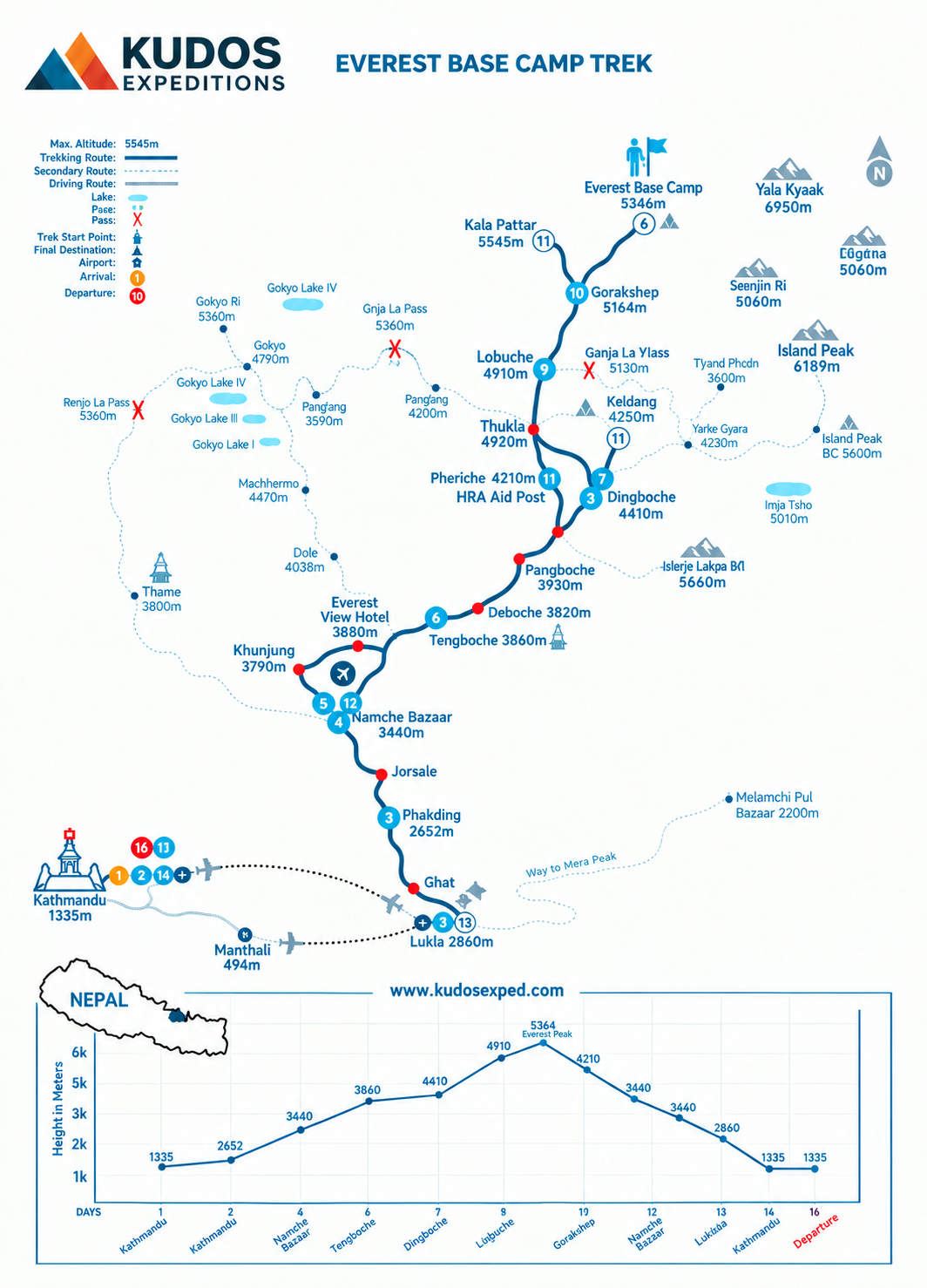
Everest Base Camp Trek Trek MAP
Join fixed Departure with Ang
Departing Dates
and Price
Availability
1 February, 2026 - 16 February, 2026
$ 1600
1
17 February, 2026 - 28 February, 2026
$ 1750
1 March, 2026 - 15 March, 2026
$ 1600
1
16 March, 2026 - 31 January, 2026
$ 1800
1 April, 2026 - 30 April, 2026
$ 1900
1 May, 2026 - 30 January, 2026
$ 1900
1 June, 2026 - 30 June, 2026
$ 1600
1 November, 2026 - 16 November, 2026
$ 1600
1
1 December, 2026 - 16 December, 2026
$ 1600
1
Must Know Before your Trip
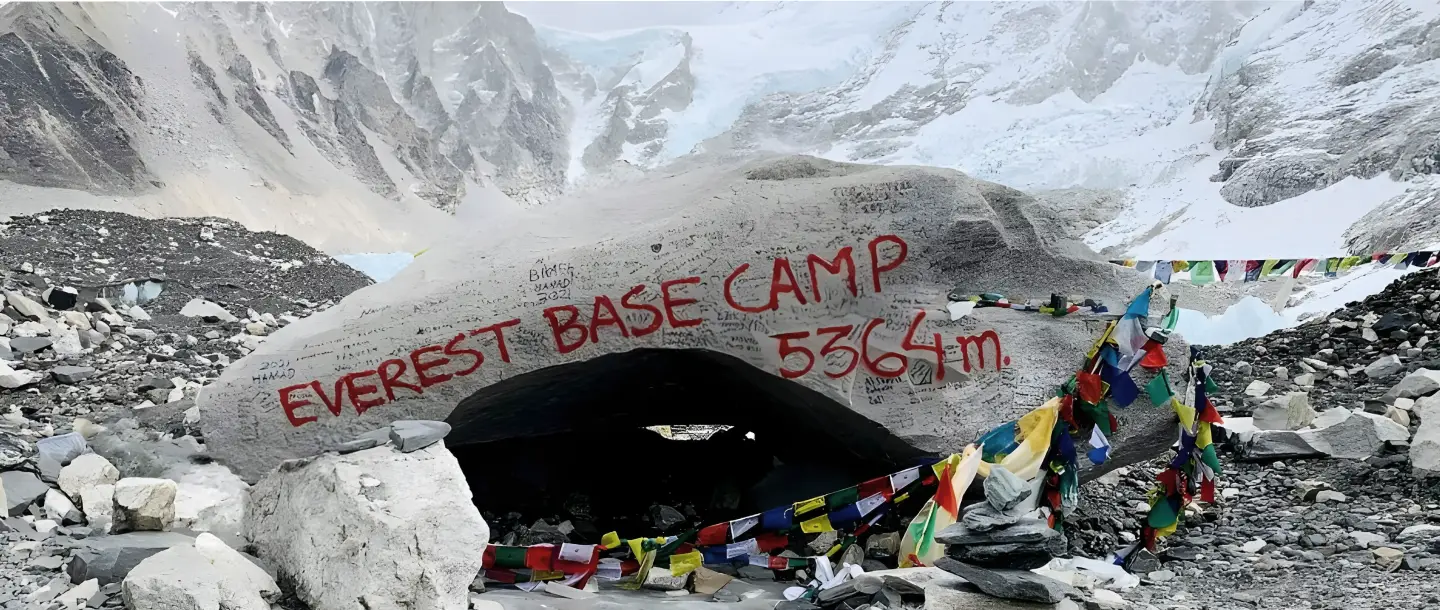
Everest Base Camp Trek: The Complete 2026 Planning Guide
Why Every High-Altitude Trekker Needs These Two Life-Saving Tools (And How to Use Them Properly)
Acclimatiation Process to make your trip successful

Why Trekkers Fail to Reach the Final Point in Nepal
Nepal Visa Information 2025: Complete Guide for Trekkers & Travelers
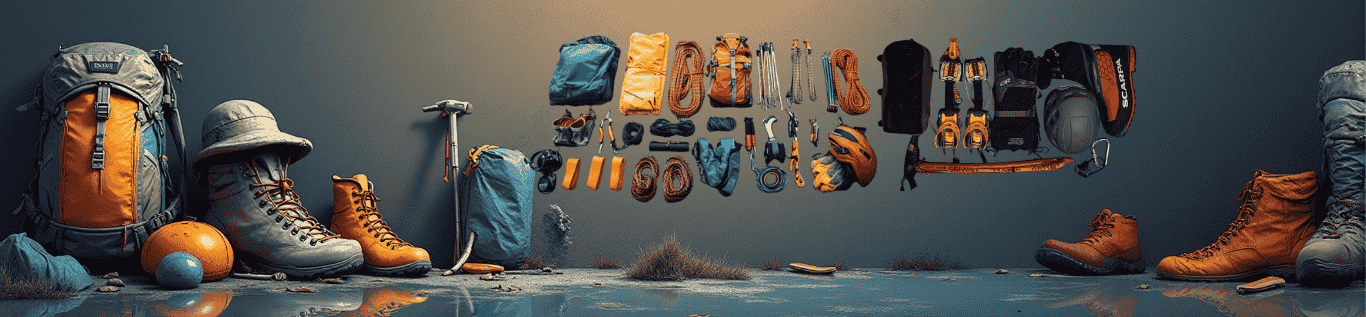
Gear for Nepal
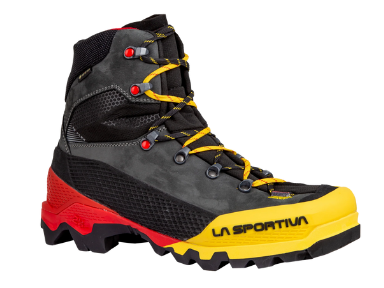
Trekking Shoes / Boots
Trekking boots are built to provide comfort, stability, and protection while walking on rugged mountain trails and uneven terrain. They support your ankles, cushion your feet, and offer reliable traction on slippery or rocky surfaces. A good pair of trekking boots is essential for any trekker, as it helps prevent blisters, injuries, and fatigue during long journeys.
Wearing the right boots can make a huge difference in your overall trekking experience — keeping your feet dry, secure, and comfortable through changing weather and trail conditions. Whether you’re hiking through forests, crossing rivers, or climbing high passes, quality trekking boots are your most important companion on the trail.
My recommendation for Trekking Shoes:
Learn More
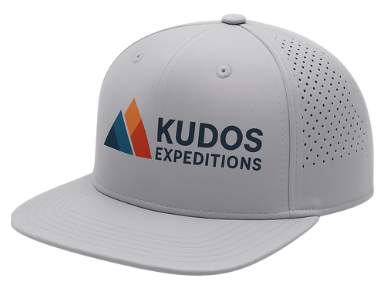
Trekking Cap
A trekking cap is an essential piece of gear for outdoor adventures, offering protection from the sun, wind, and dust during long days on the trail. It keeps your head cool under the harsh mountain sun and helps absorb sweat, ensuring comfort throughout the journey.
This Kudos Expeditions Trekking Cap not only represents the spirit of adventure but also supports a greater cause. Priced at USD $20, 50% of each purchase goes toward children’s education and school stationery in remote mountain communities of Nepal.
Wearing this cap means more than just being ready for the trail—it means walking with purpose and giving back to the next generation.
Learn More
Sun Glasses
Sunglasses are an essential part of trekking gear, designed to protect your eyes from the intense sunlight and harmful UV rays found at high altitudes. On mountain trails, the sun’s reflection off snow, rocks, and water can cause eye strain or even snow blindness.
A good pair of sunglasses keeps your vision clear and comfortable, helping you navigate safely through bright and changing conditions. They’re not just a style accessory—they’re vital for eye protection and comfort on every trekking adventure.
Learn More

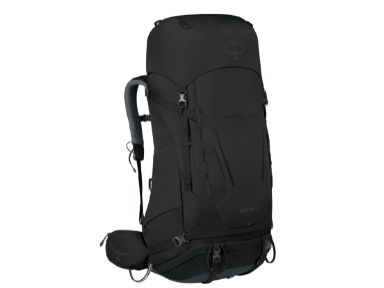
Trekking Bag
Carrying a good-quality trekking bag is essential for comfort, safety, and organization on the trail. A durable and well-designed bag helps distribute weight evenly, reducing strain on your back and shoulders during long hikes. It also ensures your gear stays protected from rain, dust, and rough terrain, allowing you to move confidently through any conditions.
Strong straps, padded support, and multiple compartments make it easier to stay balanced and organized, preventing fatigue and discomfort. For most trekking routes in Nepal, a 30–45 litre backpack is ideal — offering enough space for clothes, food, and essentials without being too heavy.
A reliable trekking bag is more than just gear; it’s your trusted companion that carries everything you need for a smooth, safe, and enjoyable journey in the mountains.
Learn More
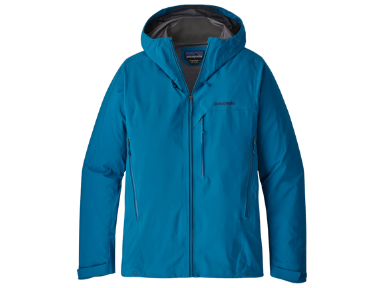
Gore-Tex Jacket
A Gore-Tex jacket is one of the most essential pieces of clothing for trekking and mountaineering. It’s designed to keep you dry, warm, and comfortable in unpredictable mountain weather. The unique Gore-Tex membrane makes the jacket waterproof, windproof, and breathable, allowing sweat to escape while blocking rain and snow.
In the Himalayas, where weather can change within minutes, a reliable Gore-Tex jacket protects you from harsh wind, heavy rain, or sudden cold. It helps regulate body temperature, keeping you dry from both the outside moisture and inner perspiration.
Learn More
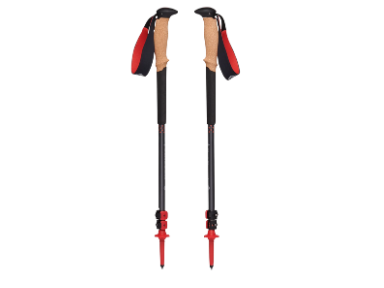
Trekking Pole / Stick
A trekking stick, also known as a trekking pole, is a valuable companion for hikers and mountaineers. It provides balance, stability, and support on uneven or steep terrain, helping reduce strain on your knees and legs during long descents and climbs.
Using trekking sticks allows you to distribute weight more evenly, making it easier to maintain rhythm and endurance on challenging trails. They also offer extra confidence while crossing rivers, walking on loose rocks, or trekking through snow.For both beginners and experienced trekkers, a good pair of trekking sticks can greatly improve comfort, safety, and overall performance on the trail—making every step lighter and more secure.
Learn More
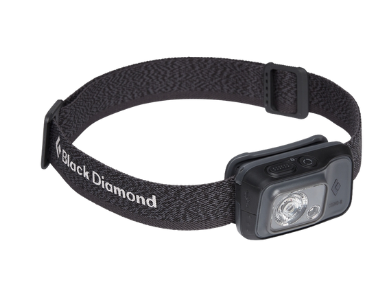
Head Lights
A headlight is an essential piece of trekking gear that ensures visibility and safety during early morning starts, late evening walks, or unexpected situations in the dark. Worn comfortably on the head, it keeps your hands free for climbing, cooking, or setting up camp while providing focused light on the trail ahead.
In the mountains, where electricity is limited and weather can change quickly, a reliable headlight helps you navigate safely, avoid obstacles, and continue your journey with confidence. It’s especially important during summit pushes, night treks, or emergency conditions.
Learn More
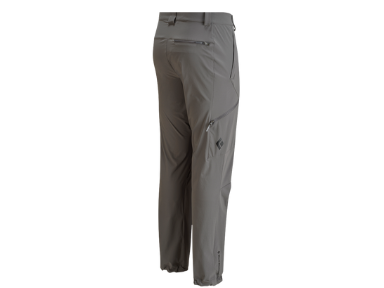
Trekking Pant
A trekking pant is designed to offer comfort, flexibility, and protection during long walks through rugged trails and changing weather. Unlike regular trousers, trekking pants are made from lightweight, quick-drying, and breathable materials that keep you comfortable whether you’re hiking under the sun or crossing chilly mountain passes.
Good-quality trekking pants provide freedom of movement, resist wear and tear, and often come with zip-off or adjustable sections for different temperatures. They also protect your legs from sunburn, insect bites, and scratches from bushes or rocks.
Learn More
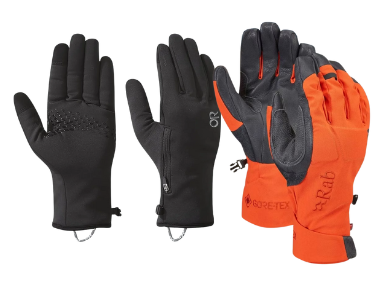
Trekking Gloves (Thin & Thick)
Gloves are an essential part of trekking gear, especially in high-altitude and cold-weather environments. Both thin and thick gloves play important roles in keeping your hands warm, protected, and functional throughout your journey.
Thin gloves are lightweight and breathable, ideal for mild conditions or for wearing inside thicker gloves. They allow better grip and dexterity while handling trekking poles, zippers, or gear—perfect for use during daytime hikes or lower elevations.
Thick gloves, on the other hand, provide insulation and warmth in freezing conditions at higher elevations. They protect your hands from frostbite and biting winds, especially during early morning starts, snow crossings, or summit pushes.
Wearing the right combination of thin and thick gloves ensures comfort, safety, and performance—helping you maintain warmth without sacrificing control, no matter how tough the mountain conditions become.
Learn More
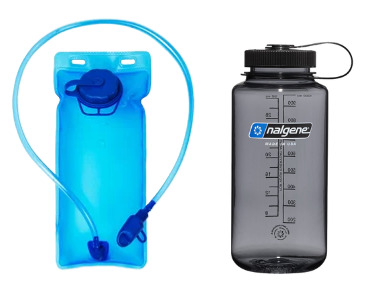
Water Pouch & Bottle
Staying hydrated is one of the most important parts of trekking, and having a reliable water pouch or water bottle makes this easier and safer. A water bottle is sturdy and simple to use—perfect for regular breaks on the trail. It keeps your water easily accessible and helps you track how much you drink throughout the day.
A hydration pouch (or bladder), on the other hand, fits inside your backpack and allows you to sip water through a tube while walking, without stopping. This helps maintain steady hydration during long climbs or high-altitude treks where energy conservation is key.
Both are essential for trekking in Nepal’s diverse terrain. Whether you prefer a bottle or a pouch, carrying a durable, leak-proof, and lightweight option ensures you stay hydrated, healthy, and ready for every challenge on the trail.
Learn More
Inner Thermal Base Layer
An inner thermal base layer is a vital part of any trekking outfit, especially for high-altitude and cold-weather adventures. It acts as your first line of defense against the cold, keeping your body warm by trapping heat close to the skin while wicking away sweat and moisture.
Made from lightweight, quick-drying, and breathable materials, a good base layer helps maintain body temperature and comfort even during long hours of physical activity in freezing conditions. It also prevents chills by keeping you dry when you sweat during climbs or tough trails.
Wearing a quality thermal base layer ensures warmth, comfort, and protection—allowing you to move freely and stay focused on the trail, no matter how cold the mountain gets.
Learn More

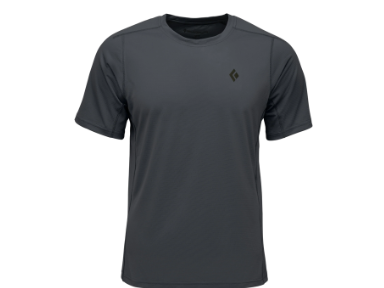
Trekking T-Shirt
A trekking t-shirt is designed for comfort and performance on the trail. Unlike regular cotton shirts, trekking t-shirts are made from lightweight, quick-drying, and breathable materials that help regulate body temperature and wick away sweat during long hikes.
A good trekking t-shirt keeps you cool in warm conditions and dry in cold weather, preventing discomfort and chills caused by moisture. Its flexible and durable fabric allows free movement, making it ideal for both short hikes and multi-day treks.
Learn More
Long Sleeve Sweater
A full-sleeve sweater is an important layer for warmth and comfort during trekking, especially in the cool mornings and chilly evenings of the mountains. It helps retain body heat and provides insulation against cold winds while remaining soft and comfortable to wear under a jacket or over a base layer.
Made from wool, fleece, or thermal fabric, a good-quality sweater offers the perfect balance of warmth and breathability. It keeps your body temperature stable without adding extra bulk, making it ideal for use at high altitudes or during rest periods.
Wearing a full-sleeve sweater ensures you stay warm, cozy, and ready to face the changing mountain climate—an essential layer for every trekker’s packing list.
Learn More

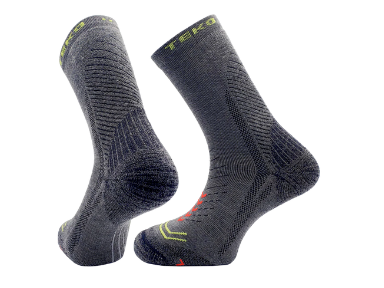
Trekking Socks
Trekking socks are an often-overlooked but essential part of your gear, designed to keep your feet comfortable, dry, and blister-free on long trails. Unlike regular socks, trekking socks are made from breathable, moisture-wicking, and quick-drying materials such as merino wool or technical fibers that regulate temperature and reduce friction.
A good pair of trekking socks provides extra cushioning and support around the heel and toe areas, helping prevent blisters and fatigue during long days of walking. They also help maintain warmth at high altitudes while keeping your feet fresh and comfortable in changing weather conditions.
Learn More
Rain Coat
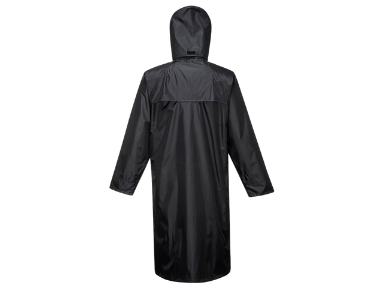
A raincoat is an essential part of trekking gear, especially in the mountains where weather can change without warning. It protects you from rain, wind, and cold, keeping your body dry and comfortable during long hikes in unpredictable conditions.
A good-quality raincoat is lightweight, waterproof, and breathable, allowing moisture from sweat to escape while keeping rain out. This helps prevent chills and fatigue caused by wet clothing. It also adds an extra layer of protection against strong winds at high altitudes.
Whether you’re trekking through lush forests or crossing high mountain passes in Nepal, carrying a durable and packable raincoat ensures safety, comfort, and readiness for any sudden weather change on the trail.
Learn More
Sunscreen
Sunscreen is an essential item for trekking, especially in the Himalayas, where exposure to the sun’s rays is intense. At higher altitudes, the atmosphere is thinner, and UV radiation increases significantly—meaning your skin burns faster even in cool or cloudy conditions.
Applying sunscreen helps protect your skin from sunburn, dryness, and long-term damage caused by ultraviolet (UV) rays. It also prevents discomfort that can make trekking difficult, such as peeling or irritated skin.
For treks reaching up to 5,000 meters in elevation, it’s recommended to use a broad-spectrum sunscreen with SPF 50 or higher. A high SPF provides stronger protection against both UVA and UVB rays, helping you stay safe and comfortable throughout your journey.
In the mountains, sunscreen isn’t just for sunny days—it’s a vital layer of protection every trekker should wear daily.
Learn More

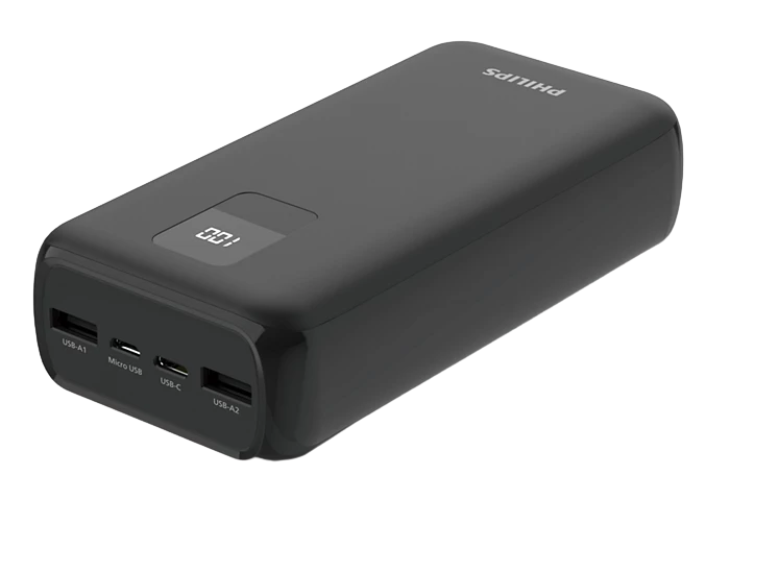
Power Bank
A power bank is a must-have item for any trekking or mountaineering trip, especially in remote areas where electricity is limited or unavailable. It ensures that your essential devices—such as phones, cameras, GPS units, and headlamps—stay charged and functional throughout your journey.
During multi-day treks in the Himalayas, you may not always find charging facilities, particularly at higher altitudes. Carrying a high-capacity power bank with at least 20,000 mAh is highly recommended. This capacity provides enough power to charge multiple devices several times, keeping you connected and prepared in any situation.
A reliable power bank is not just about convenience—it’s about safety and communication. Having a fully charged device can be crucial for navigation, taking photos, or contacting support in emergencies.
Learn More