
Everest Exped 8848.86m

Trip Difficulty: Extreme

Trip Days:46

Max Elevation: 8848.86m

Daily Activity: 7-8 hours trek & climb

Trip Starts: Lukla

Trip Ends: Lukla
Climb the South Col route with a Sherpa-led team and full expedition support
Mount Everest is not a larger version of a trekking peak. It is a two-month commitment compressed into a sequence of decisions: how slowly to approach base camp, when to enter the Khumbu Icefall, how high to sleep during each rotation, when to recover, how to use oxygen and when to abandon a summit attempt despite years of preparation.
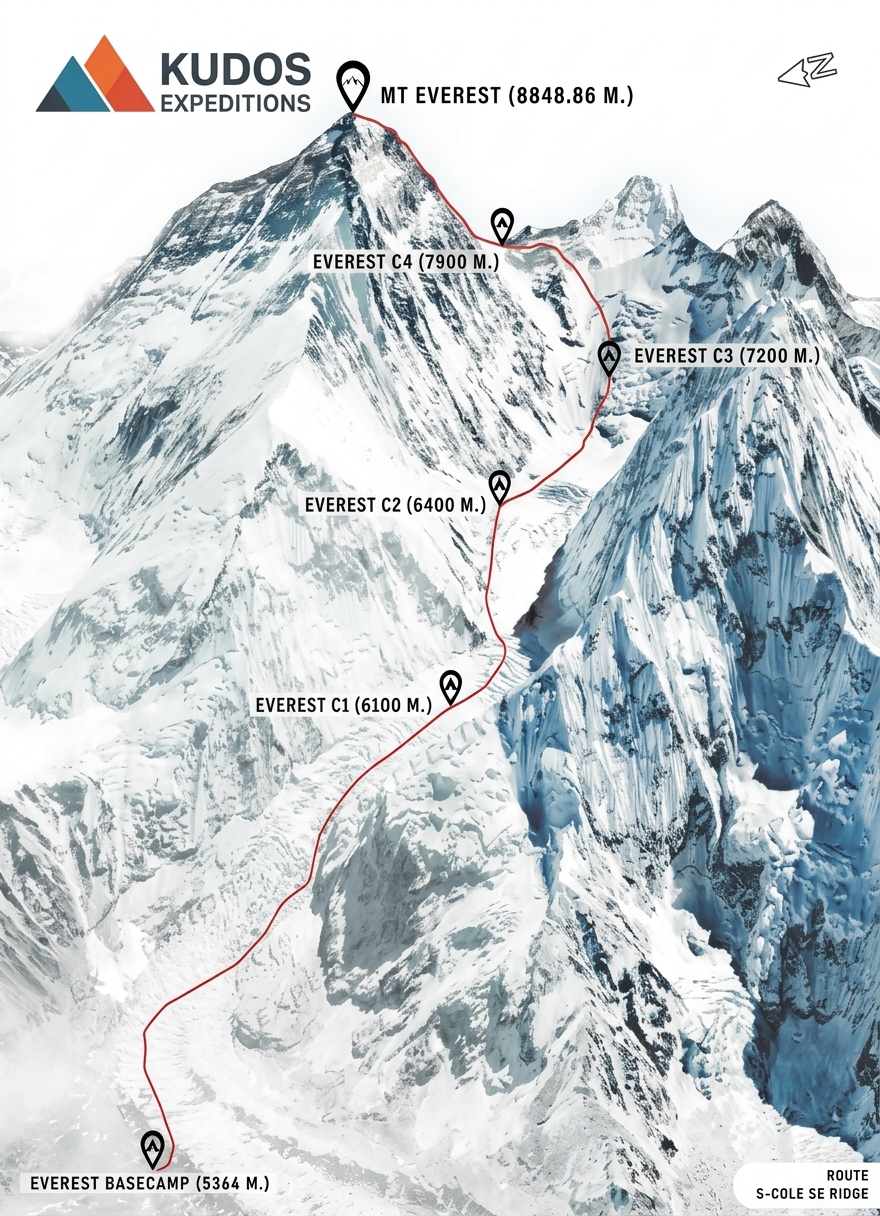
The Nepal side follows the South Col and Southeast Ridge, the route used by Tenzing Norgay and Edmund Hillary during the first confirmed ascent in 1953. From Everest Base Camp, climbers pass through the Khumbu Icefall, enter the Western Cwm, climb the Lhotse Face and establish themselves at the South Col before the final ascent through the Balcony, South Summit and summit ridge.
The summit altitude is 8,848.86 metres. Above approximately 8,000 metres, the body cannot acclimatize in the normal sense. Supplemental oxygen, efficient movement and strict time management become central to survival. Even with strong support, every climber remains responsible for clipping correctly, managing personal equipment, communicating symptoms and preserving enough strength to descend.
This 46-day Everest Expedition is built around the time required for acclimatization and weather rather than a promise to summit on a fixed date. The trek through the Khumbu is followed by training at base camp, two or more acclimatization rotations, a substantial recovery period and a summit window governed by route safety and forecasts.
Kudos Expeditions’ live product states that the climb is personally led by Ang Tsering Sherpa and includes one Everest-summiter Sherpa guide per member. Those claims should remain only where the named leader, guide ratio and departure commitment are contractually confirmed. On Everest, clarity about who climbs with the client matters more than general language about premium service.
Everest is suitable only for experienced mountaineers. The live Kudos page already identifies successful 7,000-metre experience in Nepal as an expected qualification. This document strengthens that screening standard and explains why endurance alone is not enough.
Everest Expedition at a glance
| Trip detail | Information |
| Mountain | Mount Everest / Sagarmatha / Chomolungma |
| Summit altitude | 8,848.86 m / 29,031.7 ft |
| Route | South Col and Southeast Ridge from Nepal |
| Trip duration | 46 days |
| Difficulty | Extreme high-altitude expedition |
| Base camp | Everest Base Camp, approximately 5,364 m |
| Camp I | Approximately 6,050 m in the Western Cwm |
| Camp II | Approximately 6,400–6,500 m |
| Camp III | Approximately 7,100–7,300 m on the Lhotse Face |
| Camp IV | South Col, approximately 7,900–8,000 m |
| Main season | Spring |
| Typical oxygen plan | Individual bottled oxygen system, exact allocation by package |
| Guide ratio | One high-altitude Sherpa per member if contractually confirmed |
| Current foreign royalty | USD 15,000 per person for the normal route in spring |
| Garbage deposit | USD 4,000 per Everest expedition team |
What makes the South Col route demanding
The route is established, but established does not mean predictable. The Khumbu Icefall changes continuously as the glacier moves. Ladders, fixed ropes and the safest line can shift during the season. Climbers pass beneath unstable seracs and around crevasses that cannot be made risk-free.
Above Camp I, the Western Cwm can feel calm compared with the Icefall, yet reflected solar radiation creates intense heat while the altitude continues to rise. The route to Camp II is long enough to expose weaknesses in hydration and pacing.
The Lhotse Face introduces sustained fixed-rope climbing on steep hard snow or blue ice. Camp III is cut into the slope, and movement at this altitude becomes slow even before the climber enters the death zone.
From the South Col, the summit push usually begins late in the evening. The Balcony, South Summit and upper ridge remain above 8,000 metres for many hours. Wind, cold, oxygen-flow problems and congestion can turn manageable climbing into an emergency.
Expedition highlights
- Climb the normal South Col route from the Nepal side.
- Trek through Namche Bazaar, Tengboche, Dingboche, Lobuche and Gorak Shep.
- Live at Everest Base Camp with individual member tents and expedition facilities.
- Complete technical training for ladders, fixed ropes, crampons and oxygen systems.
- Make progressive rotations through the Khumbu Icefall to Camps I, II and III.
- Recover at lower altitude before the summit push.
- Climb the Lhotse Face and establish at the South Col.
- Use individual supplemental oxygen according to the confirmed expedition plan.
- Attempt the summit with a dedicated high-altitude Sherpa guide if included in the contract.
- Return through the Khumbu with contingency for weather and Lukla flights.
The Mt. Everest Route Explained
Everest Base Camp and the Khumbu Icefall
Base camp sits on moving glacier terrain. Tent platforms, paths and crevasses can change during the season.
The Khumbu Icefall is crossed using fixed ropes and aluminium ladders placed by specialist route teams. Early movement reduces exposure to heat-related glacier change but cannot remove serac and crevasse risk.
Camp I and the Western Cwm
Camp I lies above the Icefall at the entrance to the Western Cwm. The route toward Camp II appears relatively flat from a distance but crosses a crevassed glacier.
The Cwm can become intensely hot during sunny periods because surrounding snow and rock reflect radiation.
Camp II
Camp II functions as an advanced base camp with more substantial kitchen and communication support than the other high camps.
It is the staging point for work on the Lhotse Face and the final summit push.
Camp III and the Lhotse Face
Camp III is cut into the Lhotse Face. Fixed ropes are used throughout the climb, and hard blue ice can make front-pointing physically demanding.
Sleeping at this altitude is a major acclimatization test. Every movement around the tent must remain clipped and deliberate.
Camp IV and the South Col
The South Col is a windswept saddle between Everest and Lhotse. It lies at the edge of the death zone.
Climbers rest only briefly before the summit departure. Oxygen, hydration and equipment organisation must be completed despite fatigue.
The Balcony, South Summit and summit ridge
The route above Camp IV climbs toward the Balcony, where oxygen cylinders may be changed. It continues toward the South Summit and exposed upper ridge.
The former Hillary Step area has changed since the 2015 earthquake and is now generally climbed as part of the upper ridge system rather than described as the same singular obstacle seen in older accounts.
Who Can Join This Expedition?
Minimum experience
- Successful ascents of one or more 7,000-metre peaks, preferably in Nepal or a comparable expedition environment.
- Strong independent crampon and fixed-rope skills.
- Previous experience using supplemental oxygen and high-altitude boots.
- Ability to manage personal equipment while exhausted and wearing mittens.
- Documented fitness for repeated 8–12 hour climbing days.
- Evidence of responsible turnaround decisions on earlier expeditions.
Experience is more than a summit list
A climber may have reached a high summit with extensive assistance yet still lack the judgement required for Everest. Screening should examine technical independence, pace, cold management, communication and behaviour during setbacks.
Medical suitability
Every member should complete a medical assessment with a doctor familiar with high-altitude expedition demands. Cardiovascular, respiratory, neurological and cold-injury history must be disclosed honestly.
Team behaviour
Everest is unsuitable for clients who treat the guide as a servant or view other climbers as obstacles. Decisions in the Icefall, on fixed ropes and during rescue affect Sherpa staff and the wider team.
Training and Preparation
Endurance
Prepare for at least six to twelve months. Build the ability to climb for many hours at a controlled pace while carrying an expedition pack.
Strength
Prioritise step-ups, squats, lunges, calf strength, posterior-chain work, core stability and loaded carries. Strength should support efficient movement rather than unnecessary body mass.
Technical systems
- Front-pointing and flat-foot crampon technique.
- Fast, reliable ascender transitions.
- Fixed-line descent with backup.
- Ladder crossing in crampons.
- Rappelling and changeovers while wearing mittens.
- Self-rescue fundamentals and crevasse awareness.
- Oxygen mask, regulator and cylinder changes.
Expedition rehearsals
Complete at least one multi-week high-altitude expedition before Everest. The objective is to learn how your body, equipment and judgement change after prolonged exposure.
Mental preparation
Expect waiting, discomfort and uncertainty. A strong climber may spend weeks at base camp and still leave without a summit attempt. Mental readiness means accepting that possibility without forcing an unsafe decision.
Acclimatization, Oxygen and the Death Zone
Rotation strategy
Most South Col expeditions use progressive rotations through Camps I, II and III followed by lower-altitude recovery. The exact number of nights and maximum rotation altitude should reflect the client’s previous acclimatization and current health.
Supplemental oxygen
Supplemental oxygen improves performance and reduces—but does not remove—the physiological stress of extreme altitude.
Each member receives six 8-litre cylinders with a Summit or TopOut mask and regulator. That allocation must be confirmed in the contract together with flow-rate assumptions, spare cylinders and emergency access.
Members must know how to fit the mask, identify icing or leaks, change cylinders and communicate a regulator problem while climbing.
Above 8,000 metres
The body deteriorates above approximately 8,000 metres even with oxygen. Time spent there must be limited. Confusion, loss of coordination, extreme fatigue and poor judgement are common causes of fatal errors.
Altitude emergencies
Severe symptoms require descent. Helicopter rescue is generally not available from the upper mountain, so the climber and Sherpa team must descend to a reachable altitude before evacuation can be considered.
Weather, Summit Windows and Crowding
Everest summit windows are created by short periods of lower wind near the end of the spring season. Forecast models help identify them, but forecasts remain uncertain.
When several expeditions target the same window, queues can form on fixed ropes. Congestion increases oxygen use, cold exposure and turnaround pressure.
A responsible operator should coordinate departure timing rather than treating the most popular window as the only option. The climber must still turn around when personal pace is too slow, even if the summit appears close.
Weather can change after departure from the South Col. Stronger wind, snowfall or cloud may require immediate retreat.
Base Camp and High-Camp Logistics
Base Camp facilities
- Individual members sleeping tents.
- Dining and communication tents.
- Kitchen, storage and toilet systems.
- Solar charging and generator support as specified.
- Satellite communication and weather access.
- First-aid and medical coordination.
- Managed waste and sanitation procedures.
High camps
High-camp tents are shared, exposed and vulnerable to wind. Camp space can be limited, and tents may be damaged during the season. Clients should not expect comfort above Camp II.
Food and hydration
Base camp offers the widest food variety. Higher camps rely on freeze-dried meals, soups, noodles, snacks and melted water. The ability to eat and drink while tired is a performance skill.
Personal load
The package may include porter and yak support to base camp and Sherpa load carries above it, but every client still carries personal clothing, oxygen or equipment according to the daily plan.
Safety, Rescue and Insurance
- Insurance must cover mountaineering to 8,848.86 metres, helicopter evacuation where possible, medical treatment and repatriation.
- Helicopters cannot perform routine rescue from the upper mountain.
- Emergency communication should include radios, satellite systems and clear contact procedures.
- Medical oxygen must be distinguished from the personal climbing-oxygen allocation.
- Clients must disclose prescription medicine and previous altitude illness.
- Turnaround decisions belong to the expedition leader and personal Sherpa guide.
- Rescue decisions must consider the safety of staff, not only the member requesting assistance.
Environmental Responsibility
Everest expeditions create substantial waste through food, packaging, oxygen cylinders, tents, human waste and damaged equipment. Responsible operation requires documented removal rather than vague claims about leaving no trace.
The government garbage deposit is a financial mechanism, not proof that waste has been managed correctly. The operator should explain cylinder tracking, toilet systems, waste weighing and high-camp cleanup.
Climbers should minimise unnecessary personal packaging and label every oxygen cylinder and equipment bag.
Human remains and abandoned equipment on the upper mountain present ethical and logistical problems beyond the control of any single expedition. Marketing language should acknowledge the mountain’s history without sensationalising deaths.
Frequently Asked Questions
What is the Guide-to-Client ratio for Everest?
Kudos Exped strictly enforces a 1:1 Elite Sherpa-to-Client ratio for all 8000m expeditions. Personalized, dedicated support is the only way to safely navigate the Death Zone. You will be guided by Ang himself or an equally accomplished elite Sherpa.
How does Kudos Exped handle Oxygen logistics on Everest?
Oxygen is your absolute lifeline. We provide an abundant supply of premium summit-quality oxygen (typically 5 to 7 bottles per climber). We manage this logistics chain directly and never cut corners on life support systems.
Why book Everest with Kudos Exped instead of a massive commercial agency?
With Kudos Exped, you are a VIP team member, not just a number on a spreadsheet. You receive direct communication with Ang from day one—no middlemen. This boutique approach ensures agility, supreme safety focus, and highly personalized logistics.
What is the acclimatization strategy for Everest?
Instead of spending weeks navigating the dangerous Khumbu Icefall for multiple rotations, we often utilize peaks like Lobuche East for safe, early acclimatization. This minimizes your time exposed to objective hazards before the final summit push.
What are the prerequisites for joining the Everest Expedition?
You must have substantial high-altitude mountaineering experience, including at least one 7000m or 8000m summit (such as Manaslu or Himlung). You must also possess exceptional physical and mental endurance. Ang requires a detailed climbing resume before acceptance.
Book the Everest Expedition
Everest demands more than a dream and more than physical strength. It requires years of preparation, precise logistics, patience during weeks of uncertainty and the discipline to descend when the summit is no longer a safe objective.
Contact Kudos Expeditions with your climbing résumé, previous high-altitude ascents, preferred season and medical readiness. The application process should begin with suitability screening, not payment alone.
Standard Everest Exped 8848m Itinerary
Day 01
Arrival in Kathmandu
Meet the Kudos Expeditions representative at Tribhuvan International Airport and transfer to the hotel. Rest after international travel and submit passport, insurance and emergency-contact details. Overnight: Hotel in KathmanduDay 02
Documentation and expedition orientation
Complete expedition paperwork, verify personal details and attend the required operator or government briefings applicable to the season. The expedition leader reviews route strategy, environmental obligations, communications, rescue procedures and team responsibilities. Overnight: Hotel in KathmanduDay 03
Final equipment and oxygen-system checks
Inspect down suit, 8,000-metre boots, crampons, harness, ascenders, descender, helmet, ice axe, mittens, goggles, sleeping systems and personal medical kit. Review the exact oxygen allocation, regulator and mask model, cylinder-change procedure and emergency reserve policy. No climber should reach the South Col without having practised the system. Overnight: Hotel in Kathmandu.Day 04
Fly to Lukla and trek to Phakding
Fly to Lukla from Kathmandu or Ramechhap according to seasonal operations. Weather can delay flights, and the itinerary must remain flexible. Meet the trekking staff and descend toward Phakding beside the Dudh Koshi. Overnight: Teahouse in Phakding, around 2,610 m. Walking: about 3–4 hours.Day 05
Trek to Namche Bazaar
Cross suspension bridges and enter Sagarmatha National Park near Monjo. Beyond Jorsale, climb steadily to Namche Bazaar. The day is deliberately paced to avoid unnecessary fatigue during the first major altitude gain. Overnight: Teahouse in Namche, around 3,440 m. Walking: 6–7 hours.Day 06
Acclimatization in Namche
Hike toward the Everest View area, Khumjung or another point selected by the guide, then return to sleep in Namche. Use the afternoon for hydration, food and early health assessment. Overnight: Namche Bazaar.Day 07
Trek to Tengboche
Contour above the Dudh Koshi with views of Ama Dablam, Lhotse and Everest before descending to the river and climbing through forest. Visit Tengboche Monastery when timing and local access permit. Overnight: Tengboche, around 3,860 m.Day 08
Trek to Dingboche
Pass Deboche and Pangboche, then enter the drier upper Imja Valley. Dingboche provides the second major acclimatization base. Overnight: Dingboche, around 4,410 m.Day 09
Acclimatization in Dingboche
Climb toward Nangkartshang or another high point chosen by the guide. Return for recovery and assessment before moving above 4,500 metres. Overnight: Dingboche.Day 10
Trek to Lobuche
Climb past Dughla and the mountaineering memorials, then continue beside the Khumbu Glacier. Overnight: Lobuche, around 4,910 m.Day 11
Trek through Gorak Shep to Everest Base Camp
Follow the moraine past Gorak Shep and continue to Everest Base Camp at approximately 5,364 metres. Meet the climbing and kitchen teams, receive the individual tent and learn the camp layout, communications and sanitation systems. Overnight: Everest Base Camp.Day 12 - 14
Base Camp adaptation and technical training
Allow the body to adjust to sleeping at base camp before entering the Icefall. Practise ladder crossing, fixed-line movement, ascender changes, crampon technique, crevasse response and radio communication. Fit and test oxygen masks and regulators even though bottled oxygen is not normally used during early rotations. Overnight: Everest Base Camp.Day 15-18
First rotation to Camp I and Camp II
Enter the Khumbu Icefall before dawn while temperatures are lower and the route is generally more stable. Reach Camp I, spend the planned night and continue into the Western Cwm toward Camp II as health and conditions permit. Return to base camp after completing the objective. The exact number of nights depends on the team’s previous altitude history and response. Overnights: Camps I/II and Everest Base Camp.Day 19-21
Rest and recovery at Base Camp
Recover from the first rotation, repair equipment, monitor symptoms and review route performance. Medical consultation is arranged when needed. Appetite, sleep and recovery are more important than adding unnecessary activity. Overnight: Everest Base Camp.Day 22-26
Second rotation toward Camp III
Climb again through the Icefall to Camp II. Practise sustained fixed-rope climbing on the lower Lhotse Face and sleep at or near Camp III if the guide approves. Some teams use supplemental oxygen during the Camp III night; others follow a different protocol. The exact plan must be stated in the expedition contract and adjusted medically. Descend to base camp after the rotation. Overnights: Camps I–III and Everest Base Camp.Day 27-31
Lower-altitude recovery
Descend to a lower Khumbu village or use another recovery strategy selected by the leader. Lower altitude supports sleep, appetite and muscle recovery while the rope-fixing teams and weather pattern develop. Return to base camp only when the summit phase approaches. Overnights: Lower valley and Everest Base Camp.Day 32-34
Final summit preparation
Confirm the forecast window, route status, guide pairing, oxygen allocation, cylinder caches and radio plan. Inspect boots, down suit, headlamp, spare batteries, regulator, mask and summit gloves. The leader establishes personal turnaround thresholds and confirms that every climber remains medically and technically suitable. Overnight: Everest Base Camp.Day 35
Base Camp to Camp II
Pass through the Khumbu Icefall and Camp I, then continue across the Western Cwm to Camp II. Using Camp II as the first summit-push stop can reduce repeated camp transitions, but the final choice depends on the guide and current route. Overnight: Camp II.Day 36
Rest and oxygen preparation at Camp II
Recover, hydrate and prepare loads for the Lhotse Face. Review oxygen-flow settings and cylinder logistics for Camps III, IV and summit day. Overnight: Camp II.Day 37
Camp II to Camp III
Climb the fixed ropes on the Lhotse Face to Camp III. Begin or increase supplemental oxygen according to the confirmed plan. Overnight: Camp III, approximately 7,100–7,300 m.Day 38
Camp III to South Col
Continue up the Lhotse Face, pass the Yellow Band and Geneva Spur, and reach Camp IV on the South Col. Rest, eat, hydrate and prepare immediately for the summit departure. Sleep is limited. Overnight: South Col, approximately 7,900–8,000 m.Day 39
Summit attempt and descent to Camp II or Camp IV
Depart the South Col late in the evening or around midnight. Climb toward the Balcony, South Summit and the exposed upper ridge. Reach the 8,848.86-metre summit only if time, weather, oxygen, pace and physical condition remain acceptable. Descend without delay. The guide determines whether the team can continue to Camp II or must remain at Camp IV. Activity: commonly 10–16 hours or more.Day 40-42
Summit contingency window
These days protect the expedition when the first forecast window is unsuitable or when route congestion requires a different departure. The leader may shift the entire summit sequence earlier or later. Climbers should understand that the calendar cannot guarantee the summit day. Overnights: According to the active summit plan.Day 43
.Return to Everest Base Camp
Descend through the upper camps and Khumbu Icefall to base camp after the summit attempt. Medical assessment, rehydration and rest take priority over celebration. Overnight: Everest Base Camp.Day 44
Base Camp closure and trek to Pheriche or Pangboche
Pack personal equipment and begin the return through the Khumbu. Expedition staff continue dismantling camps and managing waste according to the route-clearance plan. Overnight: Pheriche or Pangboche.Day 45
Trek to Namche Bazaar
Continue through Tengboche and descend toward Namche. Lower altitude usually improves appetite and sleep, but fatigue from the expedition may remain substantial. Overnight: Namche Bazaar.Day 46
Return to Kathmandu
Take a scenic flight from Lukla to Kathmandu (or via Ramechhap during peak flight operations). Upon arrival, transfer to your hotel and enjoy a well-earned rest after your Everest expedition. The remainder of the day is free to relax, explore the city, shop for souvenirs, or celebrate your achievement with your team.Things Included in Trip cost

Transportation
-
Airport Transfers: All arrival and departure transport between Kathmandu International Airport and your hotel, including any transfers required by itinerary.
-
Domestic Flights: Round-trip flights between Kathmandu ↔ Lukla, including airport taxes.
-
Ground Transport: All ground transportation as per the itinerary for members and expedition supplies.
-
Cargo Handling: Free assistance for customs clearance and cargo handling for expedition equipment and food shipments

Accommodation
-
Kathmandu Stay: 6-night hotel accommodation in Kathmandu on a bed and breakfast (B/B) basis in a comfortable, centrally located hotel.
-
Trekking Lodges: Accommodation in quality tea houses, lodges, or guesthouses during the trek from Lukla to Everest Base Camp.
-
Camping Setup:
-
All tents and camping arrangements for members and staff during the trekking and climbing periods.
-
Individual client tents provided at Base Camp and Advanced Base Camp.
-
Fully equipped storage tent, dining tent, toilet tent, tables, chairs, and cooking utensils for Base Camp.
-
-
High Camps (Camps 1–4):
-
Expedition-grade tents provided at Camp I, II, III, and South Col.
-
Separate Sherpa tents and kitchen tents for staff.
-

Meals
-
In Kathmandu: Daily breakfast at the hotel; farewell dinner included on the final evening.
-
During Trek: 3 freshly prepared meals per day — breakfast, lunch, and dinner with tea or coffee.
-
During Climb:
-
High-altitude expedition meals and snacks at Base Camp and all higher camps.
-
Proper nutrition with high-calorie and balanced food for both members and staff.
-
Chef and kitchen assistant provided at Base Camp and Camp 2 for meal preparation.
-
EPI gas stoves are provided for cooking at Camp 3 and South Col.
-
-
Fuel & Supplies: All food and fuel required for Base Camp and higher camps included.

Climbing, Guides & Support Staff
-
Experienced Leadership:
-
One experienced, government-licensed, and Everest-summiter Sherpa guide per member.
-
Professional trekking guide during the approach trek.
-
-
Support Team:
-
Appropriate number of porters or mules for carrying up to 50 kg of personal equipment per client.
-
Dedicated Base Camp cooks, kitchen assistants.
-
liaison officer as required by the Government of Nepal.
-
-
Wages & Insurance:
-
All staff wages, equipment, insurance (medical and accident), and helicopter rescue insurance are covered.
-
Sherpa staff provided with proper high-altitude clothing, tents, and food throughout the expedition.
-

Permits & Government Fees
-
Climbing Permit USD $15000: Official Expedition Royalty and Permit from the Government of Nepal to climb Mt. Everest (South Col Route).
-
Trekking Permits:
-
Sagarmatha National Park Entry Fee
-
TIMS Card (Trekking Information Management System)
-
-
Government Taxes: All applicable company service charges and government taxes in Nepal.

Base Camp Facilities
-
Fully equipped Base Camp infrastructure including dining, storage, and communication tents.
-
Solar panels and generators for lighting and charging electronic devices.
-
Satellite phone at Base Camp for emergency communication (available to clients at USD $3 per minute).
-
Medical Support:
-
Access to medical consultation at the Himalayan Rescue Association (HRA) clinic at Base Camp.
-
Comprehensive first-aid medical kits for both staff and climbers.
-
-
Waste Management: Environmentally responsible waste handling and sanitation systems at Base Camp.

Safety, Medical & Emergency Provisions
-
Helicopter Rescue Insurance for all expedition staff.
-
Satellite communication for emergency coordination.
-
First-aid kits and high-altitude medication supplied at Base Camp and with climbing guides.
-
Emergency evacuation support (arranged if required).
Other Services
-
Company Service Charges and Government Taxes included.
-
Farewell Dinner hosted in Kathmandu at the conclusion of the expedition.
-
Cargo clearance assistance and documentation handled free of charge.
Climbing Equipment & Oxygen
-
-
Group Climbing Equipment: Fixed ropes, dynamic ropes, ice screws, snow bars, ice bars, and anchors for the route.
-
Oxygen System:
-
Each member receives 6 bottles (8L each) of medical-grade oxygen.
-
The latest Summit or TopOut System masks and regulators are included.
-
Emergency oxygen set (mask & regulator) available on request at an additional charge.
-
-
High-Altitude Cooking Equipment: Gas, stoves, and utensils for higher camps.
-
Things Not Included in Trip cost
Meals in Kathmandu
-
Lunch and dinner during your stay in Kathmandu (except for the farewell dinner).

Personal Expenses
-
Laundry, telephone, Wi-Fi, and personal items purchased along the trek.
-
Souvenirs, tips, and gifts for staff.
-
Personal clothing, packing materials, and personal medical kit.
-
Any expenses arising from delays, natural disasters, political unrest, or changes in government regulations.

Medical & Insurance
-
Personal travel and rescue insurance (mandatory for all participants).
-
Medical treatment, hospitalization, or evacuation costs if required.
-
Rescue and repatriation expenses not covered by personal insurance.
-
Walkie-talkies or satellite phone usage (charged separately at $3 USD per minute).
Personal Climbing Gear
-
Personal climbing and trekking equipment (boots, down suit, gloves, crampons, harness, ice-axe, helmet, etc.).
-
Nepal customs duty on the import of personal expedition gear.

Flights & Visa
-
International flights to and from Kathmandu.
-
Nepal entry visa fee (obtainable upon arrival at Kathmandu Airport).

Tips & Bonuses
-
Summit bonus: Minimum USD $2000 for climbing Sherpa (industry standard).
-
Tips and gratuities for expedition staff, guides, and porters at your discretion.
Miscellaneous
-
Any item, activity, or service not clearly mentioned in the “Cost Includes” section is considered excluded.
-
Personal purchases, optional excursions, or upgrades during the expedition.
Everest Exped 8848m Trek MAP
Book Now
💬 Talk to Ang on WhatsApp
Join fixed Departure with Ang
Departing Dates
and Price
Availability
1 April, 2025 - 15 May, 2026
$ 75000
1
1 April, 2027 - 15 May, 2027
$ 75000
1
Must Know Before your Trip
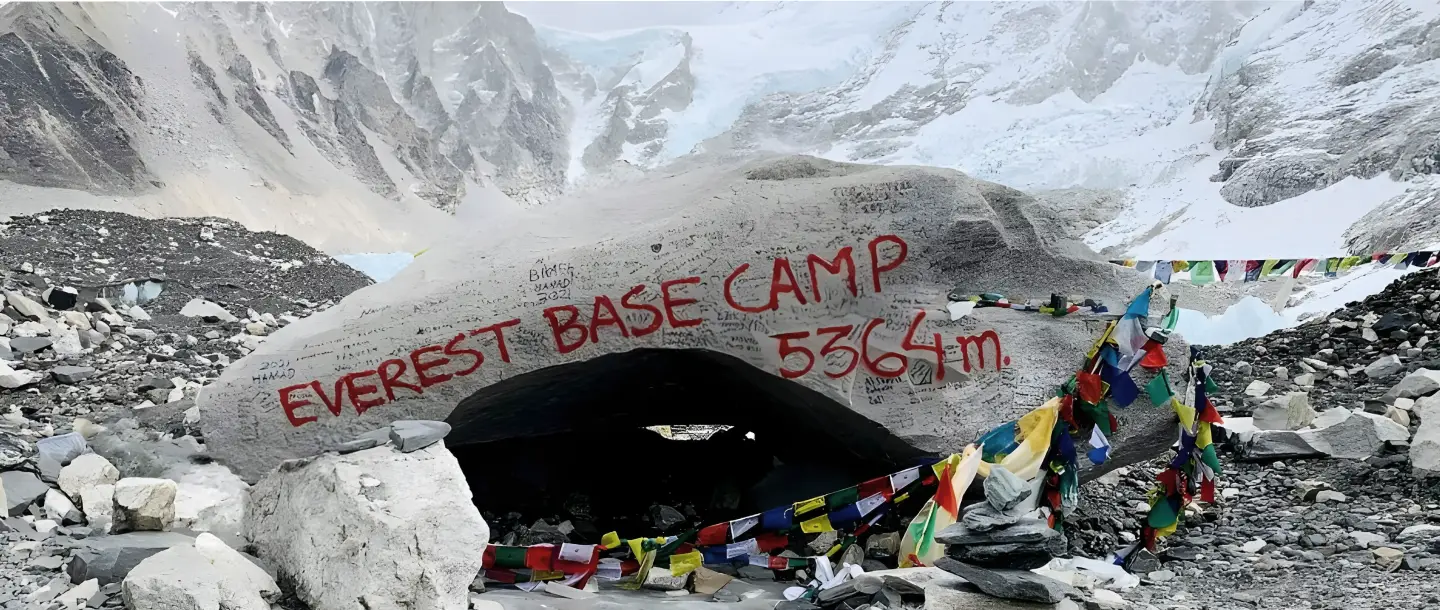
Everest Base Camp Trek: The Complete 2026 Planning Guide
Why Every High-Altitude Trekker Needs These Two Life-Saving Tools (And How to Use Them Properly)
Acclimatiation Process to make your trip successful

Why Trekkers Fail to Reach the Final Point in Nepal
Nepal Visa Information 2025: Complete Guide for Trekkers & Travelers
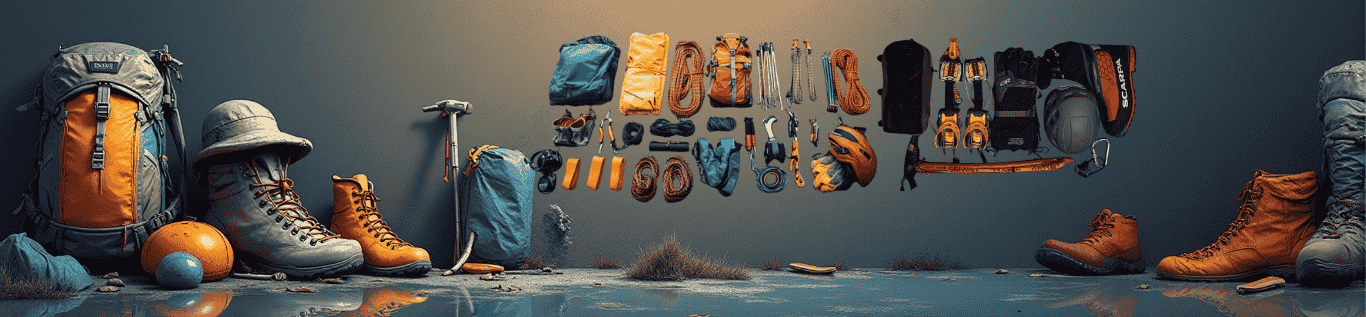
Gears for Everest Expedition
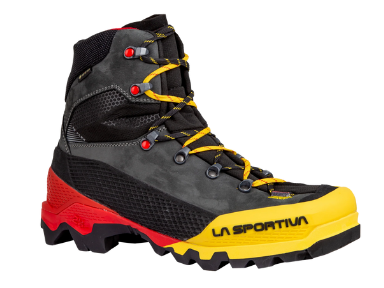
TREKKING SHOES
Trekking boots are built to provide comfort, stability, and protection while walking on rugged mountain trails and uneven terrain. They support your ankles, cushion your feet, and offer reliable traction on slippery or rocky surfaces. A good pair of trekking boots is essential for any trekker, as it helps prevent blisters, injuries, and fatigue during long journeys.
Wearing the right boots can make a huge difference in your overall trekking experience-keeping your feet dry, secure, and comfortable through changing weather and trail conditions. Whether you’re hiking through forests, crossing rivers, or climbing high passes, quality trekking boots are your most important companion on the trail.
My recomendation for Trekking Shoes:
Learn More
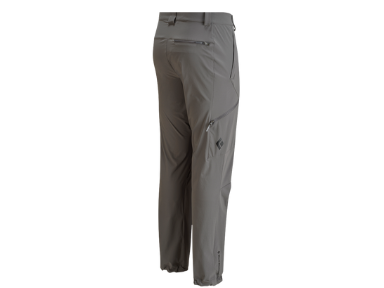
PANT
Trekking boots are built to provide comfort, stability, and protection while walking on rugged mountain trails and uneven terrain. They support your ankles, cushion your feet, and offer reliable traction on slippery or rocky surfaces. A good pair of trekking boots is essential for any trekker, as it helps prevent blisters, injuries, and fatigue during long journeys.
Wearing the right boots can make a huge difference in your overall trekking experience-keeping your feet dry, secure, and comfortable through changing weather and trail conditions. Whether you’re hiking through forests, crossing rivers, or climbing high passes, quality trekking boots are your most important companion on the trail.
My recomendation for Trekking Shoes:
Learn More
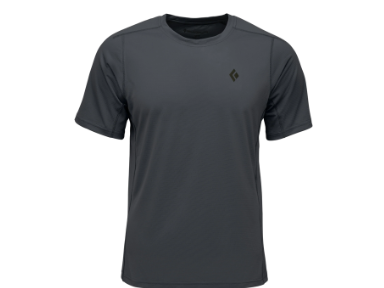
SHIRT
Trekking boots are built to provide comfort, stability, and protection while walking on rugged mountain trails and uneven terrain. They support your ankles, cushion your feet, and offer reliable traction on slippery or rocky surfaces. A good pair of trekking boots is essential for any trekker, as it helps prevent blisters, injuries, and fatigue during long journeys.
Wearing the right boots can make a huge difference in your overall trekking experience-keeping your feet dry, secure, and comfortable through changing weather and trail conditions. Whether you’re hiking through forests, crossing rivers, or climbing high passes, quality trekking boots are your most important companion on the trail.
My recomendation for Trekking Shoes:
Learn More
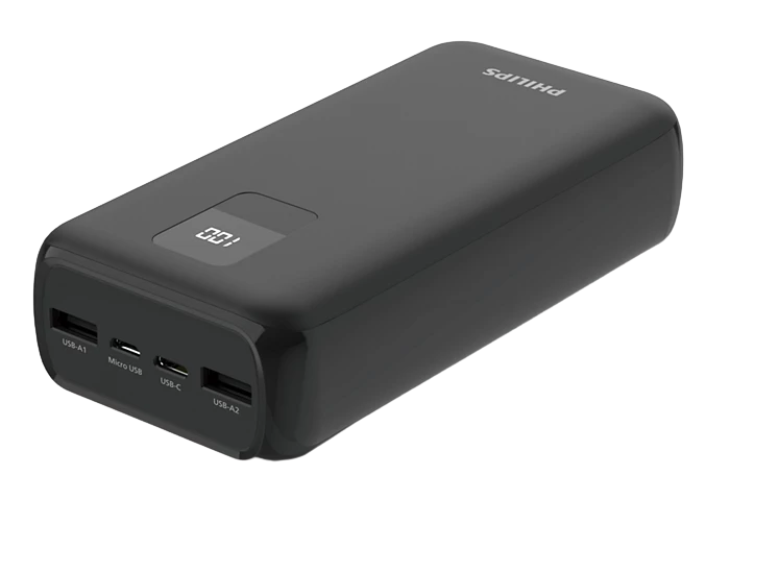
CHARGER
Trekking boots are built to provide comfort, stability, and protection while walking on rugged mountain trails and uneven terrain. They support your ankles, cushion your feet, and offer reliable traction on slippery or rocky surfaces. A good pair of trekking boots is essential for any trekker, as it helps prevent blisters, injuries, and fatigue during long journeys.
Wearing the right boots can make a huge difference in your overall trekking experience-keeping your feet dry, secure, and comfortable through changing weather and trail conditions. Whether you’re hiking through forests, crossing rivers, or climbing high passes, quality trekking boots are your most important companion on the trail.
My recomendation for Trekking Shoes:
Learn More
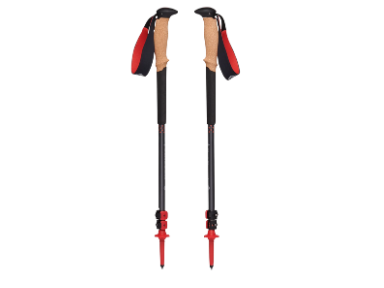
STICKS
Trekking boots are built to provide comfort, stability, and protection while walking on rugged mountain trails and uneven terrain. They support your ankles, cushion your feet, and offer reliable traction on slippery or rocky surfaces. A good pair of trekking boots is essential for any trekker, as it helps prevent blisters, injuries, and fatigue during long journeys.
Wearing the right boots can make a huge difference in your overall trekking experience-keeping your feet dry, secure, and comfortable through changing weather and trail conditions. Whether you’re hiking through forests, crossing rivers, or climbing high passes, quality trekking boots are your most important companion on the trail.
My recomendation for Trekking Shoes:
Learn More
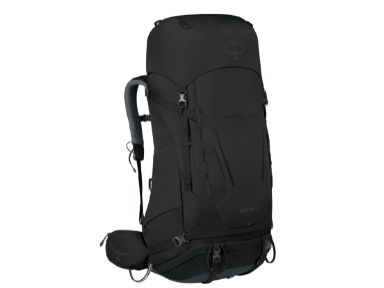
BAGS
Trekking boots are built to provide comfort, stability, and protection while walking on rugged mountain trails and uneven terrain. They support your ankles, cushion your feet, and offer reliable traction on slippery or rocky surfaces. A good pair of trekking boots is essential for any trekker, as it helps prevent blisters, injuries, and fatigue during long journeys.
Wearing the right boots can make a huge difference in your overall trekking experience-keeping your feet dry, secure, and comfortable through changing weather and trail conditions. Whether you’re hiking through forests, crossing rivers, or climbing high passes, quality trekking boots are your most important companion on the trail.
My recomendation for Trekking Shoes:
Learn More
SUNSCREEM
Trekking boots are built to provide comfort, stability, and protection while walking on rugged mountain trails and uneven terrain. They support your ankles, cushion your feet, and offer reliable traction on slippery or rocky surfaces. A good pair of trekking boots is essential for any trekker, as it helps prevent blisters, injuries, and fatigue during long journeys.
Wearing the right boots can make a huge difference in your overall trekking experience-keeping your feet dry, secure, and comfortable through changing weather and trail conditions. Whether you’re hiking through forests, crossing rivers, or climbing high passes, quality trekking boots are your most important companion on the trail.
My recomendation for Trekking Shoes:
Learn More