Cholatse Exped 6440m

Trip Difficulty: Extreme

Trip Days:30

Max Elevation: 3234m

Daily Activity: 123

Trip Starts: Lukla

Trip Ends: Lukla
A serious mixed-climbing objective in the Khumbu
Cholatse is not a trekking peak with one steep section. It is a compact Himalayan mountain that demands advanced rock, ice and mixed-climbing ability from base camp to summit. At 6,440 metres, the altitude is lower than Ama Dablam or many expedition peaks, but the climbing is sustained enough that height alone gives a poor impression of difficulty.
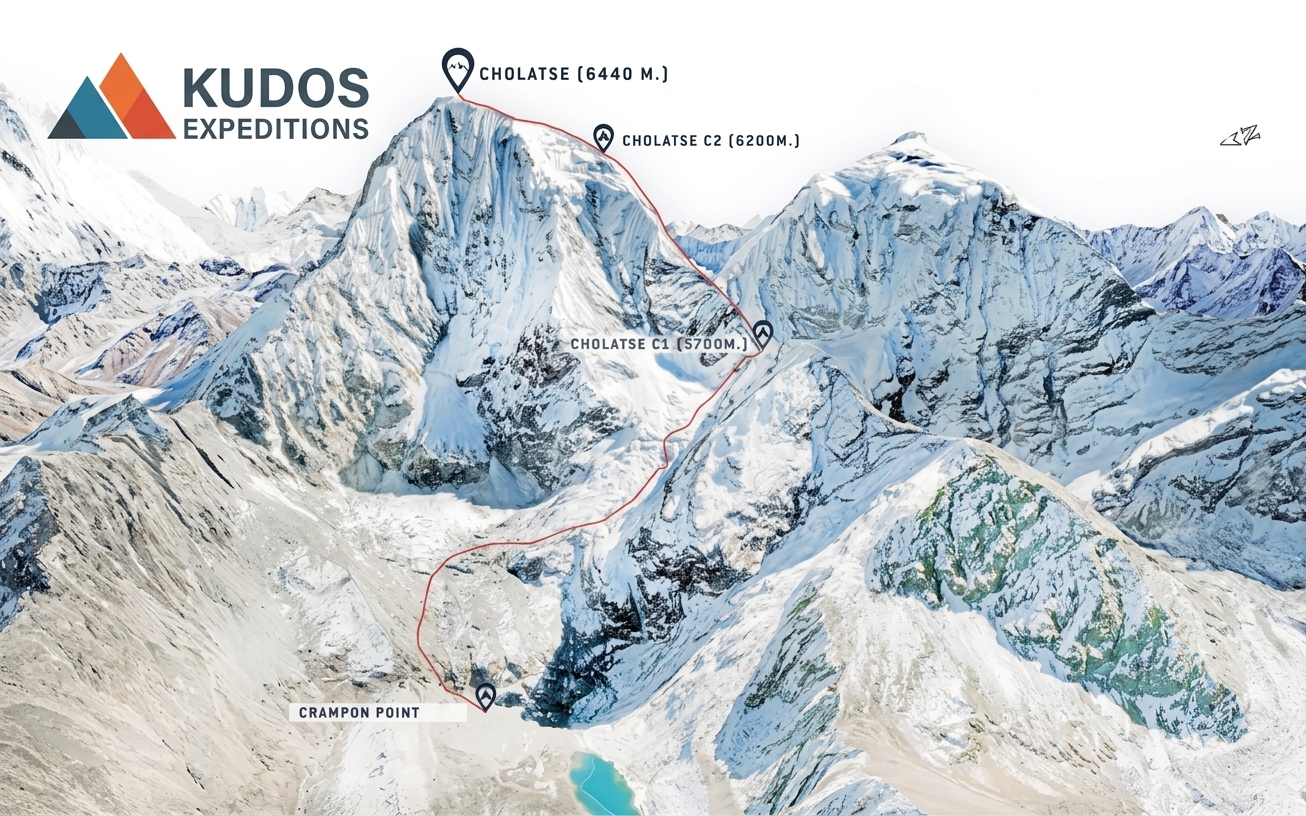
The mountain rises between the Gokyo and Everest valleys, connected to Taboche by a long ridge. Its southwest side is cut by an icefall, steep snow and ice, rock barriers and exposed ridge terrain. The Southwest Ridge, first climbed in 1982, is the normal line used by most modern expeditions and the route described in this document.
Cholatse attracts experienced alpinists precisely because it sees fewer teams than Island Peak, Mera Peak or Ama Dablam. Solitude is part of the appeal, but it removes some of the infrastructure that climbers take for granted on heavily commercialised peaks. Rope fixing, camp platforms and rescue support may depend almost entirely on the expedition itself.
This 30-day program approaches through Namche Bazaar and the Gokyo Valley, crossing the Ngozumpa Glacier to establish base camp beneath the southwest face. The route provides staged acclimatization through Dole, Machhermo, Gokyo and Thagnak before the technical phase begins.
The climb is designed for mountaineers with previous technical ascents. Participants should already be competent on steep ice, mixed ground, fixed ropes, rappels and exposed ridges. A short training session at base camp can standardise team systems, but it cannot create the required background.
Kudos Expeditions should present Cholatse as an advanced expedition. A climber may be strong enough for a 7,000-metre snow peak yet still be unsuitable if rock movement, ice-tool technique or rope transitions are weak. Screening must examine technical independence, judgement and behaviour under pressure.
Cholatse Expedition at a glance
| Trip detail | Information |
| Mountain | Cholatse / Jobo Lhaptshan |
| Summit altitude | 6,440 m / 21,129 ft |
| Region | Khumbu Himal, Nepal |
| Normal route | Southwest Ridge |
| Trip duration | 30 days |
| Difficulty | Extreme technical alpine expedition |
| Start and finish | Lukla |
| Approach | Namche – Dole – Machhermo – Gokyo – Thagnak |
| Base camp | Approximately 4,970 m |
| High camps | Camp I, Camp II and a high camp according to route conditions |
| Climbing terrain | Rock, ice, mixed ground, glacier and exposed ridge |
| Main seasons | Spring and autumn |
| Required experience | Advanced technical alpine climbing and prior high altitude |
| Permit category | NMA-managed climbing peak plus regional permits |
Why climb Cholatse?
Cholatse offers technical density that is rare on commercially supported 6,000-metre peaks. The climbing begins seriously above base camp and remains consequential through the upper ridge.
The mountain also provides an honest test before larger technical objectives. A successful ascent demonstrates more than tolerance of altitude. It shows that a climber can operate on steep mixed ground, manage ropes efficiently and continue making decisions after several nights in exposed camps.
The Gokyo approach adds another dimension. The trail follows the Dudh Koshi north of Namche, reaches the turquoise lakes beneath Cho Oyu and crosses the Ngozumpa Glacier before turning toward base camp.
Few teams attempt Cholatse in a typical season. The resulting quiet can be rewarding, but every member must understand that rescue, rope maintenance and camp support are less immediate than on Everest or Ama Dablam.
Expedition highlights
- Climb Cholatse at 6,440 metres by the Southwest Ridge.
- Approach through Gokyo and the Ngozumpa Glacier.
- Train and acclimatize at a remote expedition base camp.
- Climb sustained rock, ice and mixed terrain.
- Use advanced fixed-rope, belay, anchor and rappel systems.
- Establish multiple high camps on exposed terrain.
- Gain views of Everest, Lhotse, Cho Oyu, Makalu, Ama Dablam and nearby Khumbu peaks.
- Climb with fewer teams than on Nepal’s popular trekking peaks.
- Build experience for technical 7,000-metre expeditions.
- Operate under conservative weather and turnaround rules.
The Southwest Ridge Route
Base Camp to Camp I
The lower route crosses moraine and glacial terrain before reaching steeper snow, ice and mixed sections.
A small icefall may require route finding around crevasses and unstable features. Camp I is placed where the terrain provides the best available protection.
Camp I to Camp II
This is often the most technically sustained part of the mountain. Rock steps, thin ice and mixed climbing demand efficient movement with two tools and crampons.
Fixed ropes may protect key sections, but guides may also use pitched climbing, belays and hauling systems.
Camp II to high camp
The route continues onto exposed snow and ice with increasingly limited camp options.
Wind and spindrift can make this section slower than its elevation gain suggests.
High camp to summit
The final climb follows narrow ridge terrain with exposure on both sides. Snow quality, cornices and wind control the safest line.
The summit is small and exposed. Time on top is brief, and descent begins before fatigue or weather deteriorates.
Difficulty and Required Experience
How hard is Cholatse?
Cholatse is an extreme technical alpine expedition. It is not a beginner 6,000-metre peak.
The altitude is serious, but the defining difficulty is sustained mixed climbing and exposure. Poor technique cannot be compensated for by aerobic fitness.
Published route grades vary because snow and ice coverage change. Climbers should prepare for rock around 5.9/5.10, mixed ground around M3–M4, ice around WI2+ or harder in local sections, and aid or hauling systems where required. These numbers are approximate, not a promise of fixed conditions.
Minimum climbing background
- Multiple technical alpine routes on rock, snow and ice.
- Competence with two technical tools and front-point cramponing.
- Independent fixed-rope ascent and descent.
- Confident rappelling with heavy gloves and a pack.
- Experience building or evaluating anchors.
- Previous high-altitude expedition experience, ideally above 6,000 m.
- Ability to climb long days while carrying technical equipment.
Who should not join?
Climbers whose experience is limited to guided trekking peaks, indoor rock climbing or one-day ice courses should choose a progression objective first. Lobuche East, Island Peak, Mera Peak and Ama Dablam each develop different parts of the required skill set, though none automatically qualifies a climber for Cholatse.
Acclimatization and Health
The Gokyo approach creates progressive sleeping elevations and an optional climb of Gokyo Ri before base camp. Rotations above base camp then expose climbers to the mountain’s technical terrain while building altitude adaptation.
Acute mountain sickness can affect any participant. Headache, nausea, poor appetite, dizziness, unusual fatigue and disturbed sleep must be reported.
Confusion, loss of coordination, severe breathlessness at rest or a wet cough require immediate descent and emergency action.
Fitness does not prevent altitude illness. Fast movement during the approach can damage the acclimatization plan.
Training for Cholatse
Technical preparation
- Steep ice climbing with two tools.
- Mixed climbing in crampons.
- Multi-pitch rock climbing to at least the expected route grade.
- Efficient ascender and descender transitions.
- Rappelling with packs and gloves.
- Crevasse rescue and hauling fundamentals.
- Anchor building in rock, snow and ice.
Physical preparation
Train for at least four to six months. Combine long hill days, interval climbing, weighted carries, stair work, posterior-chain strength, pull strength and core stability.
Back-to-back climbing days
Complete multi-day alpine routes or consecutive technical days. Cholatse requires skill after accumulated fatigue, not only when fresh.
Mental preparation
Expect long waits, cold bivouacs, route changes and the possibility of no summit attempt. Technical judgement must remain conservative even after substantial cost and preparation.
Best Time to Climb Cholatse
Spring
April and May can provide warmer temperatures and useful snow coverage, but afternoon cloud and warming instability must be monitored.
Autumn
October and November often provide drier air and quieter conditions. Nights are colder, and hard ice can make mixed sections more technical.
Winter and monsoon
Winter is reserved for specialist teams prepared for severe cold. Monsoon conditions are unsuitable for most commercial attempts because of unstable weather, snow and flight disruption.
Accommodation, Food and Camp Life
Teahouses on the approach
The Lukla-to-Thagnak approach uses simple lodges with twin rooms, shared bathrooms and communal dining spaces. Charging, showers and Wi-Fi may cost extra.
Base Camp
Base camp should provide individual member tents, dining, kitchen, communication and toilet systems. The location is remote enough that replacements and repairs must be planned in advance.
High camps
High camps are small and exposed. Platforms may need to be cut from snow or constructed on rock. Space and shelter cannot be compared with Everest-style high-camp logistics.
Food and water
Base camp offers the widest meal choice. High camps rely on compact, easy-to-digest food and melted water. The ability to eat and hydrate while exhausted is part of expedition performance.
Permits, Fees and Logistics
Cholatse is currently managed as an NMA climbing peak. Current 2026 market guidance lists foreign-climber permit charges of USD 350 in spring and USD 175 in autumn, winter and summer, following the fee revision effective from September 2025. The official amount should be verified before publication and invoicing.
The approach also requires Sagarmatha National Park entry and the current Khumbu local entry or trek-card documentation.
The live page lists a USD 500 garbage deposit. This should be verified against the current NMA schedule and described as refundable only when clearance requirements are satisfied.
Lukla flights may operate from Ramechhap during peak traffic periods. Every expedition should retain independent flight buffer after the trek.
Technical Equipment
Personal climbing gear
- Double or single technical mountaineering boots suitable for the season.
- Automatic crampons.
- Two technical ice tools.
- Climbing helmet.
- Alpine harness.
- Ascenders, descender and backup devices.
- Locking and non-locking carabiners.
- Personal protection and slings specified by the guide.
- Warm technical gloves and spare mittens.
- Headlamp with spare batteries.
Cold-weather and camp gear
- Expedition down jacket.
- Waterproof shell and salopettes.
- Thermal layers and insulated mid-layers.
- Glacier glasses and goggles.
- Sleeping bag suitable for severe high-camp cold.
- 40–50 litre climbing pack.
- Insulated bottles and thermos.
Group equipment
Ropes, anchors, protection, snow bars, ice screws, tents, stoves, communications, rescue kit and route-fixing equipment should be itemised in the contract.
Safety and Rescue
Route independence
Few teams may be present. The expedition cannot assume another operator will fix ropes, maintain camps or provide rescue.
Objective hazards
Seracs, crevasses, avalanches, cornices, rockfall and rapid weather change cannot be eliminated.
Turnaround rules
The leader may end the attempt because of route conditions, time, weather, pace or health.
Rescue limitations
Helicopter rescue is unlikely from high camps. An injured climber may need a complex technical lowering before evacuation.
Staff safety
Client ambition does not justify exposing Sherpa guides to unreasonable risk. Rescue and summit decisions must consider the whole team.
Why Climb Cholatse with Kudos Expeditions?
The strongest reason to choose an operator for Cholatse is technical leadership, not broad claims about adventure.
The live Kudos page states that Ang personally leads the climb with additional climbing support. That promise should remain only when confirmed for the selected departure.
A strong contract should identify guide-to-client ratio, route-fixing responsibility, camp plan, rescue equipment, communications, staff insurance and the operator’s authority to end the expedition.
Client screening should be mandatory. Accepting an underqualified climber increases risk for every guide and team member.
Frequently Asked Questions
How difficult is the Cholatse Expedition?
Cholatse is considered one of the most technical and demanding 6000m peaks in the Khumbu region, significantly harder than Ama Dablam. It features steep ice walls, objective hazards, and a knife-edge summit ridge. It is strictly for advanced climbers.
What experience is required to climb Cholatse?
You must have extensive alpine climbing experience, proficiency in steep ice and mixed climbing, and a strong history of high-altitude summits. Ang personally screens every applicant to ensure the safety of the expedition.
Where is Cholatse located?
Cholatse (6,440m) stands dramatically between the Gokyo and Khumbu valleys. The approach usually involves trekking through the scenic Gokyo valley before establishing base camp near the mountain’s Southwest ridge.
What is the guide-to-client ratio for Cholatse?
Given the extreme technical difficulty and objective hazards, Kudos Exped operates Cholatse with a strict 1:1 Elite Sherpa-to-Client ratio. You are guaranteed focused, individual support from a highly qualified Sherpa professional.
When is the best time to climb Cholatse?
The optimum climbing window is late autumn (October to November). The ice conditions are generally more stable, and the weather is clearer compared to the spring season, reducing the risk of avalanches and rockfall.
Book the Cholatse Expedition
Cholatse rewards technical efficiency, judgement and patience. Its summit is lower than many expedition objectives, yet the mountain leaves little room for weak systems or improvised skill.
Contact Kudos Expeditions with your climbing résumé, recent technical ascents and preferred season. Application should begin with a direct suitability review by the expedition leader.
Standard Cholatse Exped 6440m Itinerary
Day 01
Arrival in Kathmandu (1,400m) & Transfer to Hotel
Upon your arrival at Tribhuvan International Airport in Kathmandu (1,400m), our representative will warmly welcome you and transfer you to your hotel. After a brief rest, you’ll meet the expedition team for an introduction and a short briefing about the upcoming climb. The rest of the day is free to explore Thamel’s lively streets or simply relax at the hotel. Meals: Breakfast Accommodation: 3-star Hotel in KathmanduDay 02
Expedition briefing and technical equipment inspection
Review the Southwest Ridge strategy, camp plan, communications and rescue limitations. Inspect boots, crampons, two technical ice tools, helmet, harness, ascenders, descenders, protection, gloves and sleeping system. Overnight: Kathmandu.Day 03
Fly to Lukla and trek to Phakding
Fly from Kathmandu or Ramechhap according to seasonal operations, then descend beside the Dudh Koshi. Overnight: Phakding, around 2,610–2,800 m. Walking: 3–4 hours.Day 04
Trek to Namche Bazaar
Enter Sagarmatha National Park and climb from Jorsale to Namche. Overnight: Namche Bazaar, 3,440 m. Walking: 6–7 hours.Day 05
Acclimatization in Namche
Hike toward Khumjung or the Everest View area and return to sleep in Namche. The guide checks pace, appetite and early altitude response.Day 06
Trek to Dole
Climb toward Mong La, descend to Phortse Thenga and continue through forest to Dole. Overnight: Dole, about 4,200 m.Day 07
Trek to Machhermo
Follow the upper Dudh Koshi valley through Luza to Machhermo. Overnight: Machhermo, about 4,450 m.Day 08
Acclimatization in Machhermo
Complete an active hike above the village and return for recovery. Use the afternoon for technical-plan review and hydration.Day 09
Trek to Gokyo
Pass the lower Gokyo lakes and reach the settlement beside the third lake. Overnight: Gokyo, about 4,750 m.Day 10
Gokyo Ri acclimatization climb
Climb Gokyo Ri if weather and health permit. The viewpoint approaches 5,360 m and provides strong acclimatization. Return to Gokyo.Day 11
Cross the Ngozumpa Glacier to Thagnak
Follow a rough moraine route across the glacier to Thagnak. Overnight: Thagnak, about 4,700–4,750 m.Day 12
Trek to Cholatse Base Camp
Move through moraine and alpine terrain toward the southwest side of Cholatse. Establish base camp near 4,970 m and receive individual tents.Day 13-15
Base Camp acclimatization and technical standardisation
Practise mixed-climbing transitions, fixed-line movement, hauling, rappelling, anchor systems and rescue communication. Complete acclimatization carries or hikes above camp. Inspect the lower route and assess the icefall.Day 16-18
First rotation to Camp I
Climb the lower moraine, icefall and steep terrain toward Camp I. Carry equipment, establish camp and spend the planned night before descending. The exact Camp I altitude and line vary with route conditions.Day 19-21
Second rotation toward Camp II
Return to Camp I, continue over steeper rock, ice and mixed ground and establish Camp II where safe platforms allow. Practise hauling and rappelling on the actual route. Descend to base camp for recovery.Day 22-23
Rest and summit preparation
Recover, repair equipment, review the forecast and confirm guide pairings. Prepare loads, fuel, food and emergency equipment for the summit phase.Day 24
Base Camp to Camp I
Move through the lower technical route with summit loads. Overnight: Camp I.Day 25
Camp I to Camp II
Climb sustained mixed terrain using fixed ropes, belays and protection according to conditions. Overnight: Camp II.Day 26
Camp II to high camp
Continue over steep snow, ice and ridge terrain to the highest safe camp. Rest, melt water and prepare for the summit start.Day 27
Summit Cholatse and begin descent
Climb the narrow exposed ridge and final snow or mixed sections to the 6,440-metre summit if conditions allow. Descend immediately to Camp II or Camp I according to strength and daylight. Summit day may take 10–16 hours or longer.Day 28
Summit contingency and return to Base Camp
Use this day if weather delays the attempt. If the summit occurred on Day 27, dismantle high camps and descend to base camp.Day 29
Trek from Base Camp toward Dole or Phortse Thenga
Leave the expedition camp and descend through the Gokyo valley approach. The final overnight depends on team condition and trail timing.Day 30
Return logistics toward Namche, Lukla and Kathmandu
A complete return from base camp normally requires more than one day. The published 30-day product should either add two to three days or state that return transport is compressed and flexible. For safe commercial scheduling, extend the package to 32–33 days or include a helicopter return only when contractually specified.Things Included in Trip cost

Transportation
-
All airport transfers: Arrival and departure (Airport ↔ Hotel ↔ Airport).
-
Domestic round-trip flight: Kathmandu ↔ Lukla.

Accomodation
-
4 nights in a 3-star hotel in Kathmandu on a bed and breakfast basis.
-
Comfortable guesthouse accommodation during the trekking period.
-
Expedition-style single or double tents at Base Camp and higher camps (Camp 1, Camp 2, High Camp) with insulated mattresses.
-
Dining, kitchen, and toilet tents provided at Base Camp.

Meals
-
All meals (Tea, Breakfast, Lunch, and Dinner) during the trek and climbing period at Base Camp and higher camps.
- Tea & Biscuits in the afternoon.
- Fresh fruits as Desserts after dinner

Guides and Staff
-
Experienced and licensed Climbing Sherpa Guide for the expedition & Personally guided by ANG .
-
Professional Cook and Kitchen Staff at Base Camp.
-
Required number of Porters for carrying group and personal equipment.
-
Government Liaison Officer as per expedition regulations.
-
Insurance coverage for all Nepali expedition and support staff.

Permit & Fees
-
Cholatse Expedition Climbing Permit.
-
Sagarmatha (Everest) National Park Conservation Fee.
-
Garbage Deposit Fee USD $500 as required by the Nepal Mountaineering Association (NMA).

Equipment and Logistics
-
All necessary group climbing equipment, including fixed ropes, main ropes, snow bars, ice hammers, and ice screws.
-
Expedition tents for all camps (Base Camp, Camp 1, Camp 2, and High Camp).
-
Emergency medical kit and first-aid supplies.
Things Not Included in Trip cost

Travel and Visa
- Nepal Visa fee (please bring two passport-size photographs and cash in USD).
-
International airfare to and from Nepal.
-
Excess baggage charges for domestic or international flights.

Insurance and Emergencies
- Personal, travel, and rescue insurance (mandatory for all participants).
-
Emergency helicopter evacuation (if required).
Accommodation and Meals in Kathmandu
-
Breakfast, lunch, and dinner in Kathmandu (except as stated in “Includes”).
-
Extra nights in Kathmandu due to early arrival, late departure, or early return from the expedition for any reason outside the scheduled itinerary.

Personal Expenses
-
All cold drinks (bottled water, soft drinks, beer, and bar bills).
-
Hot showers during the trek.
-
Battery charging for electronic devices and Wi-Fi/internet usage.
-
Extended activities or optional side trips not mentioned in the itinerary.
-
Personal climbing gear (boots, harness, crampons, clothing, etc.).

Tips and Gratuities
Tips for guides, Sherpa staff, porters, and kitchen crew (at your discretion).
Cholatse Exped 6440m Trek MAP
Book Now
💬 Talk to Ang on WhatsApp
Join fixed Departure with Ang
Departing Dates
and Price
Availability
20 July, 2047 - 5 September, 2086
$ 9000
1
24 December, 2025 - 9 December, 2025
$ 9000
1
Must Know Before your Trip
Everest Base Camp Trek: The Complete 2026 Planning Guide
Why Every High-Altitude Trekker Needs These Two Life-Saving Tools (And How to Use Them Properly)
Acclimatiation Process to make your trip successful

Why Trekkers Fail to Reach the Final Point in Nepal
Nepal Visa Information 2025: Complete Guide for Trekkers & Travelers
Gears for Nepal
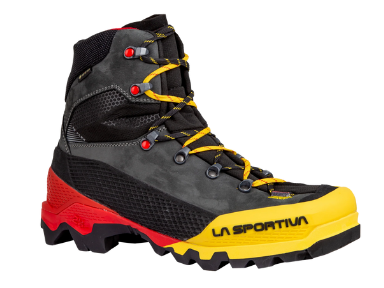
Trekking Shoes / Boots
Trekking boots are built to provide comfort, stability, and protection while walking on rugged mountain trails and uneven terrain. They support your ankles, cushion your feet, and offer reliable traction on slippery or rocky surfaces. A good pair of trekking boots is essential for any trekker, as it helps prevent blisters, injuries, and fatigue during long journeys.
Wearing the right boots can make a huge difference in your overall trekking experience — keeping your feet dry, secure, and comfortable through changing weather and trail conditions. Whether you’re hiking through forests, crossing rivers, or climbing high passes, quality trekking boots are your most important companion on the trail.
My recomendation for Trekking Shoes:
Learn More
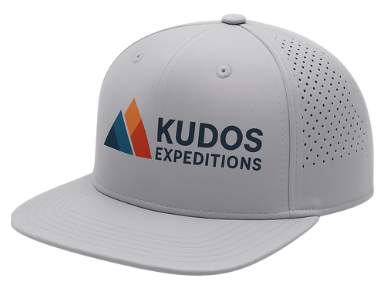
Trekking Cap
A trekking cap is an essential piece of gear for outdoor adventures, offering protection from the sun, wind, and dust during long days on the trail. It keeps your head cool under the harsh mountain sun and helps absorb sweat, ensuring comfort throughout the journey.
This Kudos Expeditions Trekking Cap not only represents the spirit of adventure but also supports a greater cause. Priced at USD $20, 50% of each purchase goes toward children’s education and school stationery in remote mountain communities of Nepal.
Wearing this cap means more than just being ready for the trail—it means walking with purpose and giving back to the next generation.
Learn More
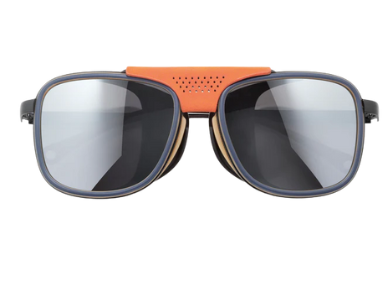
Sun Glasses
Sunglasses are an essential part of trekking gear, designed to protect your eyes from the intense sunlight and harmful UV rays found at high altitudes. On mountain trails, the sun’s reflection off snow, rocks, and water can cause eye strain or even snow blindness.
A good pair of sunglasses keeps your vision clear and comfortable, helping you navigate safely through bright and changing conditions. They’re not just a style accessory—they’re vital for eye protection and comfort on every trekking adventure.
Learn More
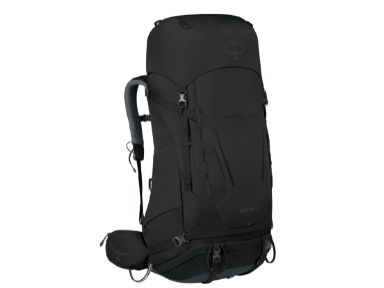
Trekking Bag
Carrying a good-quality trekking bag is essential for comfort, safety, and organization on the trail. A durable and well-designed bag helps distribute weight evenly, reducing strain on your back and shoulders during long hikes. It also ensures your gear stays protected from rain, dust, and rough terrain, allowing you to move confidently through any conditions.
Strong straps, padded support, and multiple compartments make it easier to stay balanced and organized, preventing fatigue and discomfort. For most trekking routes in Nepal, a 30–45 litre backpack is ideal — offering enough space for clothes, food, and essentials without being too heavy.
A reliable trekking bag is more than just gear; it’s your trusted companion that carries everything you need for a smooth, safe, and enjoyable journey in the mountains.
Learn More
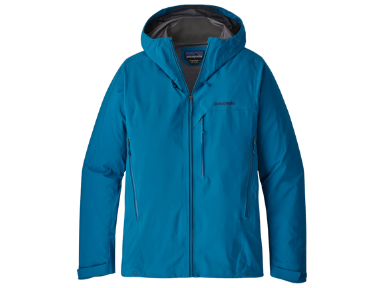
Gore-Tex Jacket
A Gore-Tex jacket is one of the most essential pieces of clothing for trekking and mountaineering. It’s designed to keep you dry, warm, and comfortable in unpredictable mountain weather. The unique Gore-Tex membrane makes the jacket waterproof, windproof, and breathable, allowing sweat to escape while blocking rain and snow.
In the Himalayas, where weather can change within minutes, a reliable Gore-Tex jacket protects you from harsh wind, heavy rain, or sudden cold. It helps regulate body temperature, keeping you dry from both the outside moisture and inner perspiration.
Learn More
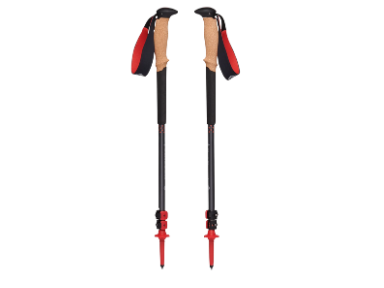
Trekking Pole / Stick
A trekking stick, also known as a trekking pole, is a valuable companion for hikers and mountaineers. It provides balance, stability, and support on uneven or steep terrain, helping reduce strain on your knees and legs during long descents and climbs.
Using trekking sticks allows you to distribute weight more evenly, making it easier to maintain rhythm and endurance on challenging trails. They also offer extra confidence while crossing rivers, walking on loose rocks, or trekking through snow.
For both beginners and experienced trekkers, a good pair of trekking sticks can greatly improve comfort, safety, and overall performance on the trail—making every step lighter and more secure.
Learn More
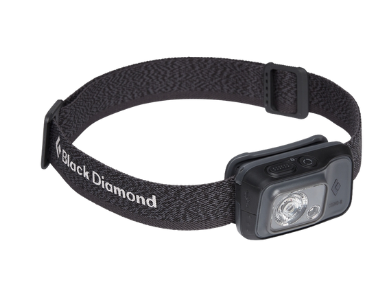
Head Lights
A headlight is an essential piece of trekking gear that ensures visibility and safety during early morning starts, late evening walks, or unexpected situations in the dark. Worn comfortably on the head, it keeps your hands free for climbing, cooking, or setting up camp while providing focused light on the trail ahead.
In the mountains, where electricity is limited and weather can change quickly, a reliable headlight helps you navigate safely, avoid obstacles, and continue your journey with confidence. It’s especially important during summit pushes, night treks, or emergency conditions.
Learn More
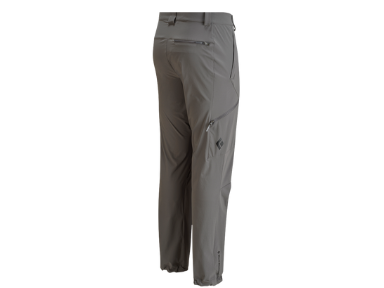
Trekking Pant
A trekking pant is designed to offer comfort, flexibility, and protection during long walks through rugged trails and changing weather. Unlike regular trousers, trekking pants are made from lightweight, quick-drying, and breathable materials that keep you comfortable whether you’re hiking under the sun or crossing chilly mountain passes.
Good-quality trekking pants provide freedom of movement, resist wear and tear, and often come with zip-off or adjustable sections for different temperatures. They also protect your legs from sunburn, insect bites, and scratches from bushes or rocks.
Learn More
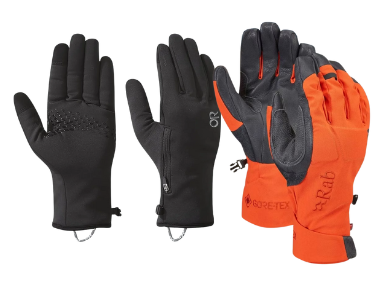
Trekking Gloves (Thin & Thick)
Gloves are an essential part of trekking gear, especially in high-altitude and cold-weather environments. Both thin and thick gloves play important roles in keeping your hands warm, protected, and functional throughout your journey.
Thin gloves are lightweight and breathable, ideal for mild conditions or for wearing inside thicker gloves. They allow better grip and dexterity while handling trekking poles, zippers, or gear—perfect for use during daytime hikes or lower elevations.
Thick gloves, on the other hand, provide insulation and warmth in freezing conditions at higher elevations. They protect your hands from frostbite and biting winds, especially during early morning starts, snow crossings, or summit pushes.
Wearing the right combination of thin and thick gloves ensures comfort, safety, and performance—helping you maintain warmth without sacrificing control, no matter how tough the mountain conditions become.
Learn More
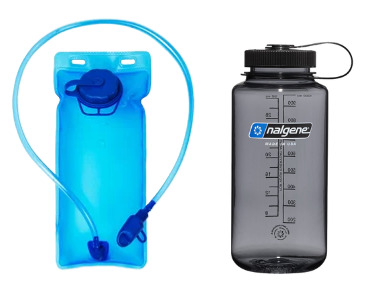
Water Pouch & Bottle
Staying hydrated is one of the most important parts of trekking, and having a reliable water pouch or water bottle makes this easier and safer. A water bottle is sturdy and simple to use—perfect for regular breaks on the trail. It keeps your water easily accessible and helps you track how much you drink throughout the day.
A hydration pouch (or bladder), on the other hand, fits inside your backpack and allows you to sip water through a tube while walking, without stopping. This helps maintain steady hydration during long climbs or high-altitude treks where energy conservation is key.
Both are essential for trekking in Nepal’s diverse terrain. Whether you prefer a bottle or a pouch, carrying a durable, leak-proof, and lightweight option ensures you stay hydrated, healthy, and ready for every challenge on the trail.
Learn More
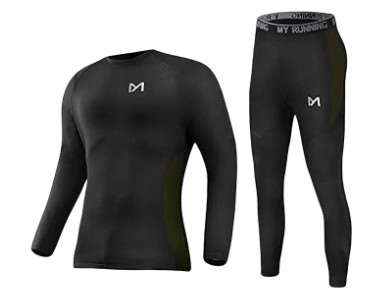
Inner Thermal Base Layer
An inner thermal base layer is a vital part of any trekking outfit, especially for high-altitude and cold-weather adventures. It acts as your first line of defense against the cold, keeping your body warm by trapping heat close to the skin while wicking away sweat and moisture.
Made from lightweight, quick-drying, and breathable materials, a good base layer helps maintain body temperature and comfort even during long hours of physical activity in freezing conditions. It also prevents chills by keeping you dry when you sweat during climbs or tough trails.
Wearing a quality thermal base layer ensures warmth, comfort, and protection—allowing you to move freely and stay focused on the trail, no matter how cold the mountain gets.
Learn More
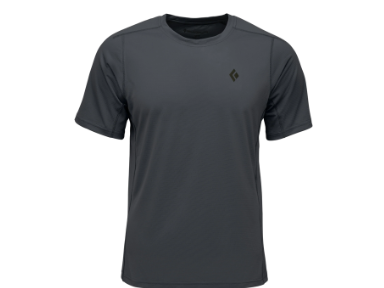
Trekking T-Shirt
A trekking t-shirt is designed for comfort and performance on the trail. Unlike regular cotton shirts, trekking t-shirts are made from lightweight, quick-drying, and breathable materials that help regulate body temperature and wick away sweat during long hikes.
A good trekking t-shirt keeps you cool in warm conditions and dry in cold weather, preventing discomfort and chills caused by moisture. Its flexible and durable fabric allows free movement, making it ideal for both short hikes and multi-day treks.
Learn More
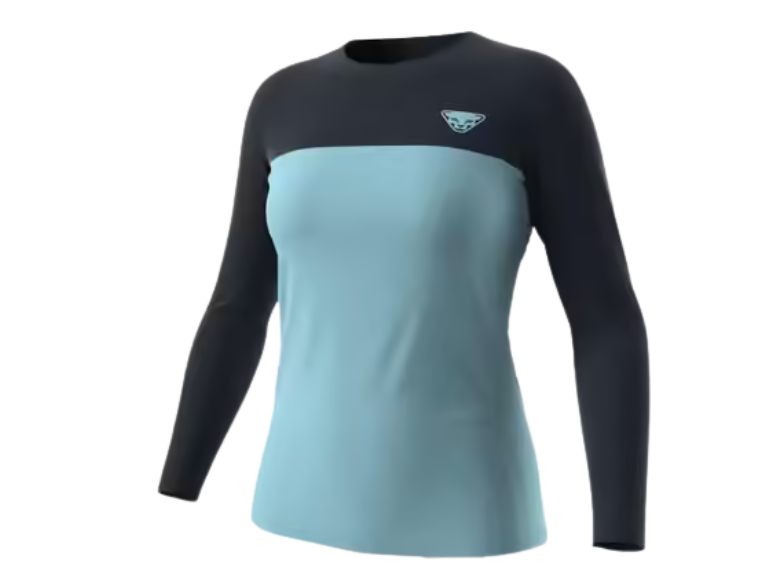
Long Sleeve Sweater
A full-sleeve sweater is an important layer for warmth and comfort during trekking, especially in the cool mornings and chilly evenings of the mountains. It helps retain body heat and provides insulation against cold winds while remaining soft and comfortable to wear under a jacket or over a base layer.
Made from wool, fleece, or thermal fabric, a good-quality sweater offers the perfect balance of warmth and breathability. It keeps your body temperature stable without adding extra bulk, making it ideal for use at high altitudes or during rest periods.
Wearing a full-sleeve sweater ensures you stay warm, cozy, and ready to face the changing mountain climate—an essential layer for every trekker’s packing list.
Learn More
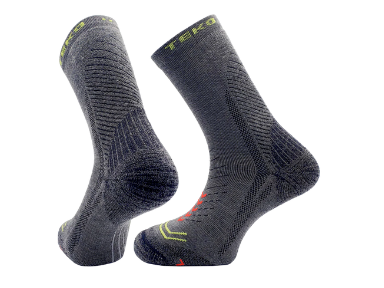
Trekking Socks
Trekking socks are an often-overlooked but essential part of your gear, designed to keep your feet comfortable, dry, and blister-free on long trails. Unlike regular socks, trekking socks are made from breathable, moisture-wicking, and quick-drying materials such as merino wool or technical fibers that regulate temperature and reduce friction.
A good pair of trekking socks provides extra cushioning and support around the heel and toe areas, helping prevent blisters and fatigue during long days of walking. They also help maintain warmth at high altitudes while keeping your feet fresh and comfortable in changing weather conditions.
Learn More
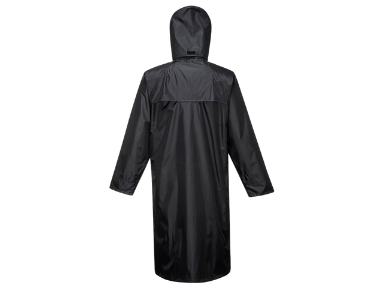
Rain Coat
A raincoat is an essential part of trekking gear, especially in the mountains where weather can change without warning. It protects you from rain, wind, and cold, keeping your body dry and comfortable during long hikes in unpredictable conditions.
A good-quality raincoat is lightweight, waterproof, and breathable, allowing moisture from sweat to escape while keeping rain out. This helps prevent chills and fatigue caused by wet clothing. It also adds an extra layer of protection against strong winds at high altitudes.
Whether you’re trekking through lush forests or crossing high mountain passes in Nepal, carrying a durable and packable raincoat ensures safety, comfort, and readiness for any sudden weather change on the trail.
Learn More
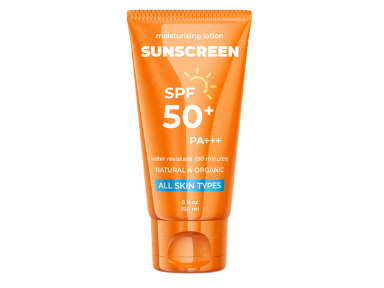
Sunscreen
Sunscreen is an essential item for trekking, especially in the Himalayas where exposure to the sun’s rays is intense. At higher altitudes, the atmosphere is thinner, and UV radiation increases significantly—meaning your skin burns faster even in cool or cloudy conditions.
Applying sunscreen helps protect your skin from sunburn, dryness, and long-term damage caused by ultraviolet (UV) rays. It also prevents discomfort that can make trekking difficult, such as peeling or irritated skin.
For treks reaching up to 5,000 meters elevation, it’s recommended to use a broad-spectrum sunscreen with SPF 50 or higher. A high SPF provides stronger protection against both UVA and UVB rays, helping you stay safe and comfortable throughout your journey.
In the mountains, sunscreen isn’t just for sunny days—it’s a vital layer of protection every trekker should wear daily.
Learn More
Power Bank
A power bank is a must-have item for any trekking or mountaineering trip, especially in remote areas where electricity is limited or unavailable. It ensures that your essential devices—such as phones, cameras, GPS units, and headlamps—stay charged and functional throughout your journey.
During multi-day treks in the Himalayas, you may not always find charging facilities, particularly at higher altitudes. Carrying a high-capacity power bank with at least 20,000 mAh is highly recommended. This capacity provides enough power to charge multiple devices several times, keeping you connected and prepared in any situation.
A reliable power bank is not just about convenience—it’s about safety and communication. Having a fully charged device can be crucial for navigation, taking photos, or contacting support in emergencies.
Learn More