
Amadablam Exped 6812m

Trip Difficulty: Extreme

Trip Days:25

Max Elevation: 6812m

Daily Activity: 6-7 hours Trek

Trip Starts: Lukla

Trip Ends: Lukla
A technical Himalayan climb on the Southwest Ridge
Ama Dablam is one of the most recognisable mountains in the Khumbu, but its appearance can give a misleading first impression. From the Everest trail it looks compact and balanced, with two long ridges extending like protective arms and a hanging glacier suspended beneath the summit. On the Southwest Ridge, that clean profile becomes a sequence of exposed rock towers, fixed-rope traverses, mixed climbing and steep snow above 6,000 metres.
This expedition is intended for experienced climbers, not strong trekkers looking for their first use of crampons. The normal route demands efficient movement on fixed lines, confidence while ascending and descending steep rock, competent use of a jumar and descender, secure crampon technique and the judgement to remain composed when the exposure becomes difficult to ignore. Previous experience around 6,000 metres is strongly recommended.
Kudos Expeditions’ revised 25-day program approaches the mountain through Lukla, Namche Bazaar, Tengboche and Pangboche. The trekking phase is deliberately paced to support acclimatization before the team moves to Ama Dablam Base Camp. The climbing phase then includes skills review, a Camp 1 rotation, a Camp 2 rotation, recovery and a flexible summit window rather than compressing the entire expedition into a single continuous push.
The standard line follows the Southwest Ridge. Base Camp lies on open ground below the mountain. From there, climbers move to an advanced or yak camp when used, then to Camp 1 near the lower end of the ridge. The character changes sharply above Camp 1. Rock steps, traverses and the Yellow Tower lead toward the small and exposed Camp 2 site. Higher on the route, the Grey Tower and Mushroom Ridge give access to the upper snow and ice slopes. Camp 3 is no longer a routine overnight for many teams; strategy depends on conditions, rope fixing, crowding and the judgement of the expedition leader.
Summit day is long, cold and serious. The upper slopes may appear straightforward in photographs, but they are climbed after several hours of technical movement at altitude. Descent requires the same concentration as ascent, often with tired hands, crowded anchors and changing snow. A summit is never guaranteed, and the decision to turn around may be made because of weather, health, route conditions, delays or the condition of another member.
The value of a guided expedition lies in more than supplying tents and permits. A competent operation needs accurate screening of participants, a realistic guide ratio, well-maintained group equipment, trained high-altitude staff, communication procedures, medical planning and enough calendar space to wait for a suitable weather window. This page is written to explain those requirements clearly rather than presenting Ama Dablam as a scenic extension to an Everest Base Camp trek.
Ama Dablam Expedition at a glance
| Trip detail | Information |
| Mountain | Ama Dablam / Amai Dablang |
| Official elevation | 6,814 m / 22,365 ft |
| Existing Kudos product elevation | 6,812 m |
| Region | Khumbu, Solukhumbu, Nepal |
| Standard route | Southwest Ridge |
| Trip duration | 25 days |
| Trip grade | Technical / Extreme |
| Base Camp | Approximately 4,570–4,700 m |
| Typical high camps | Camp 1 around 5,700–5,800 m; Camp 2 around 6,000 m |
| Approach | Lukla – Namche – Tengboche – Pangboche – Base Camp |
| Accommodation | Hotels, teahouses and expedition tents |
| Main seasons | Spring and autumn; autumn is especially popular |
| Previous experience | Technical alpine climbing and prior altitude around 6,000 m |
| Oxygen | Normally climbed without supplementary oxygen; emergency policy varies |
| Permit authority | Nepal Department of Tourism |
| Protected area | Sagarmatha National Park |
Expedition highlights
- Climb the classic Southwest Ridge of Ama Dablam.
- Progress through technical rock, mixed ground and steep snow at high altitude.
- Negotiate well-known sections such as the Yellow Tower, Grey Tower and Mushroom Ridge, subject to current route conditions.
- Use a structured acclimatization program with rotations to Camps 1 and 2.
- Trek through Namche Bazaar, Tengboche and Pangboche before reaching Base Camp.
- Join a traditional puja ceremony before climbing when local arrangements permit.
- Work with licensed Nepalese climbing guides, base-camp staff and porters.
- Use expedition tents, dining facilities and a staffed base-camp kitchen.
- Climb with views toward Everest, Lhotse, Nuptse, Makalu, Baruntse and the wider Khumbu.
- Build experience for more technical or higher Himalayan objectives.
Is Ama Dablam the Right Mountain for You?
This is not a beginner expedition
Ama Dablam is sometimes marketed as a first Himalayan expedition because it remains below 7,000 metres and is reached from a well-developed trekking corridor. That description ignores the technical nature of the route. The Southwest Ridge contains sustained exposure and requires more than basic rope familiarity.
A suitable participant should already be comfortable climbing rock in mountaineering boots, ascending fixed ropes with a jumar, changing safely between anchor lines, rappelling with gloves, using crampons on hard snow or ice and managing personal systems without constant supervision. These skills must remain reliable when the climber is cold, tired and wearing a pack.
Previous altitude experience matters because technical ability can deteriorate quickly above 6,000 metres. A person who climbs confidently at sea level may move slowly, make poor decisions or struggle with simple equipment at altitude. A prior 6,000-metre peak, technical alpine routes or a comparable expedition provides evidence that the climber understands personal acclimatization and recovery.
The screening process should include a detailed climbing resume and a direct conversation with the expedition leader. A booking deposit should not replace technical assessment. When experience is close but incomplete, a preparatory course or a peak such as Lobuche East may be recommended before Ama Dablam.
Minimum technical competencies
- Confident use of harness, helmet, crampons and mountaineering ice axe.
- Efficient ascending of fixed ropes with a mechanical ascender.
- Controlled rappelling on single fixed lines with a compatible descender and backup system.
- Safe changeovers at anchors while remaining continuously attached.
- Rock climbing ability in mountaineering boots on exposed terrain.
- Experience following mixed rock, snow and ice routes.
- Ability to manage gloves, carabiners, cow’s tails and ascender systems in cold conditions.
- Understanding of self-arrest, crampon hazards and efficient footwork.
- Prior camping and movement at high altitude, preferably near or above 6,000 m.
- Ability to carry personal equipment between high camps.
Physical and psychological demands
The expedition requires several months of focused training. General fitness is insufficient because the climb combines endurance, muscular strength, technical movement and recovery across repeated days at altitude.
Psychological readiness is equally important. Camp 2 is a small perch on the ridge, and much of the route is exposed. Climbers need to make routine equipment decisions while looking into substantial space on either side. Fear is not a disqualification, but panic, freezing at anchors or dependence on a guide for every movement creates risk for the entire team.
Patience is another expedition skill. Weather windows may arrive late, rope fixing can be delayed and crowded sections can force long waits in cold conditions. A climber who treats every delay as a personal failure may expend energy before the summit push has begun.
The Southwest Ridge Route
Base Camp to Camp 1
Ama Dablam Base Camp is reached from Pangboche by leaving the main Everest trail and climbing through open yak pasture. The site is broad compared with the ridge camps and normally contains sleeping tents, dining and kitchen tents, communications equipment, storage and medical supplies.
The route toward Camp 1 begins on moraine, scree and boulder-covered ground. Some teams use an intermediate yak camp or advanced base camp to shorten the carry and improve acclimatization. Above that point, the path rises toward the lower Southwest Ridge. Camp 1 is normally established around 5,700 to 5,800 metres on limited platforms among rock.
The movement is physically demanding but less technical than the terrain above. Climbers use this section to test boots, clothing, hydration systems and load choices before committing to the main ridge.
Camp 1 to Camp 2
Above Camp 1, Ama Dablam begins to justify its reputation. The ridge contains exposed rock steps and traverses protected by fixed lines. Movement must be efficient because space at anchors is limited and other climbers may be ascending or descending on the same system.
The Yellow Tower is one of the best-known obstacles. It is a steep rock section near Camp 2 that demands precise footwork, effective use of the ascender and enough upper-body endurance to avoid hanging inefficiently on the rope. Conditions and rope placement change between seasons, so fixed grades from old trip reports should be treated as approximate descriptions rather than permanent facts.
Camp 2 is small, exposed and spectacular. Tent platforms are cut or selected among rock on the ridge. Space, sanitation and comfort are limited. Some climbers sleep poorly because of altitude and exposure, which is why rotation strategy and guide judgement are important.
Camp 2 to the upper mountain
Above Camp 2, the route continues through mixed and rocky terrain associated with the Grey Tower, then traverses the Mushroom Ridge. This section is exposed, and snow conditions can affect both speed and security.
The historical Camp 3 area lies beneath the upper hanging glacier. After a fatal 2006 avalanche, many teams changed their strategy and now minimise or avoid overnight exposure in that zone. Some expeditions establish a high camp in a safer position when conditions permit; others launch the summit push from Camp 2. The exact plan must be based on current hazard assessment, not copied from a fixed itinerary.
The route above the ridge reaches steep snow and ice slopes leading toward the summit. Fixed lines assist progress, but climbers still need efficient crampon technique and the ability to pass anchors safely.
Summit day and descent
Summit day can require twelve to eighteen hours or more, depending on the starting camp, route traffic, snow, weather and individual speed. Teams usually leave at night to use colder, more stable conditions and to create enough time for descent.
The summit is broader than the narrow ridge camps and offers views across the Everest and Makalu regions when weather is clear. Time on top is kept short. The expedition is not complete until every climber has descended the technical ridge and returned to Base Camp.
Descent is often underestimated. Rappels, anchor queues, fatigue and warming snow can increase risk. Climbers must retain enough concentration to manage every attachment and transition correctly. A summit turnaround time is therefore a safety control, not a suggestion.
Acclimatization and Expedition Strategy
Ama Dablam is lower than the 8,000-metre peaks, but the climbing is technical enough that poor acclimatization creates immediate operational problems. A climber moving slowly on a trekking slope may inconvenience a group; a climber moving slowly at the Yellow Tower or on a rappel line can expose several people to cold and objective hazard.
The trek through Namche, Tengboche and Pangboche provides the first stage. Base Camp recovery, skills days and two rotations provide the second. The purpose of a rotation is not simply to touch a camp. It allows the team to test equipment, sleep higher, practise the exact route and observe recovery after returning lower.
Some commercial programs add Lobuche East or another acclimatization peak. That option can improve preparation but adds cost and days. A direct Ama Dablam program can work when clients arrive with recent altitude experience and the itinerary contains adequate rotations. The expedition leader should review each climber’s background rather than apply one strategy to everyone.
Altitude symptoms must be reported early. Headache, poor appetite and sleep disturbance may be manageable; worsening symptoms, loss of coordination, confusion, breathlessness at rest or a wet cough require urgent action. Descent remains the primary treatment for serious altitude illness.
Training for Ama Dablam
Build an expedition engine
Training should begin four to six months before departure, and earlier when the climber lacks a recent endurance base. The program needs long aerobic work, uphill movement with a pack, strength, technical practice and recovery.
Long mountain days are more specific than short high-intensity sessions. Build toward six- to ten-hour days on steep ground and occasional back-to-back weekends. Include descents because the return from the summit is technically and physically demanding.
Strength and muscular endurance
- Weighted step-ups and uphill carries
- Squats, split squats and lunges
- Deadlifts or hip-hinge variations
- Calf and ankle strength
- Pulling strength for rope ascent
- Grip and forearm endurance
- Core stability under load
- Controlled downhill and eccentric leg work
Technical preparation
Practise with the exact ascender, descender, cow’s-tail system, gloves and boots intended for Nepal. Indoor rope drills are useful, but they do not replace outdoor rock and ice movement. Training should include repeated changeovers, rappels with a pack and efficient climbing while clipped to fixed lines.
Taper and arrival
Reduce volume during the final ten to fourteen days while maintaining light intensity and movement. Arrive healthy, rested and free from unresolved injuries. A respiratory infection can compromise acclimatization and technical performance.
Seasons and Weather
Autumn
October and November are the most established Ama Dablam season. Post-monsoon weather often produces clear periods, and route conditions may be drier on the rock sections. The mountain can be crowded, and fixed-line schedules influence each team’s plan. Temperatures fall as November progresses.
Spring
April and May can provide warmer temperatures, but snow conditions and pre-monsoon weather vary. Spring climbing permits and logistics must be arranged under the current Department of Tourism regulations.
Winter and summer
Winter and monsoon expeditions are unusual and substantially more complex. Wind, cold, snow or precipitation can make the standard commercial program unsuitable. The current Department of Tourism royalty table applies a lower winter/summer permit rate, but a lower fee does not imply favourable conditions.
Weather windows
A forecast is one input, not a guarantee. Wind speed, precipitation, temperature, cloud, rope condition and route traffic all affect the decision. The expedition leader may select a shorter but safer window or decline to launch when uncertainty is too high.
Base Camp and High-Camp Life
Teahouses on the approach
The approach uses teahouses in the Khumbu. Rooms are simple, bathrooms may be shared and hot showers, charging and Wi-Fi often cost extra. Namche offers the widest choice; facilities become more limited near Pangboche.
Ama Dablam Base Camp
Base Camp normally includes sleeping tents, dining and kitchen tents, toilets, equipment storage and communications. A cook team prepares meals designed to support repeated climbing days. Personal tents allow recovery and equipment organisation, subject to the final package specification.
High camps
High camps are functional and cramped. Climbers may share small tents, melt snow and eat limited high-altitude food. Camp 2 has very little space. Hygiene, waste control and secure storage of equipment require discipline.
Food and hydration
Base-camp meals should provide carbohydrates, protein, fats and sufficient variety to maintain appetite. High-camp food prioritises weight, preparation speed and digestibility. Climbers need a tested system for bottles, insulated covers, electrolyte use and stove safety.
Permits, Royalties and Official Requirements
Ama Dablam requires a mountaineering permit issued through Nepal’s Department of Tourism and must be organised by an authorised Nepalese agency. The official peak profile lists the mountain as open and records the first ascent on 13 March 1961 by Mike Gill, Wally Romanes, Barry Bishop and Michael Ward.
Under the Department of Tourism provisions effective 1 September 2025, the foreign-climber royalty specifically listed for Ama Dablam is USD 1,000 in spring, USD 1,000 in autumn and USD 500 in winter or summer. These figures can change and should be displayed dynamically or reconfirmed before publication.
The expedition also requires Sagarmatha National Park entry arrangements, local municipality fees where applicable, staff insurance, environmental deposits and formal documentation. The existing page attributes a USD 500 garbage deposit to the Nepal Mountaineering Association; this should be checked against the current Department of Tourism schedule and the actual permit issuer before publication.
A liaison officer may be required under the expedition regulations. The final package should state clearly whether liaison costs, royalties, route-fixing fees, summit bonuses, helicopter freight, high-altitude porter services and garbage deposits are included.
Safety Systems and Risk Management
Objective hazards
- Rockfall and falling ice
- Avalanche and serac hazard
- High winds and severe cold
- Crowding at fixed lines and anchors
- Anchor or rope damage
- Altitude illness
- Falls during ascent or rappel
- Frostbite and cold injury
- Fatigue, dehydration and poor judgement
- Flight and evacuation delays
Guide ratio and client independence
The guide ratio must match the service advertised. A one-to-one climbing Sherpa arrangement provides different support from a shared guide. Even with one-to-one support, clients must manage their own attachment systems and basic movement. A guide cannot safely climb every technical section for a client who lacks the required skills.
Communication
Base Camp should maintain communication with the climbing team and external logistics support. Radios, satellite communication or other systems are selected according to the operator. Clients should understand check-in schedules, emergency channels and battery management.
Rescue and evacuation
Helicopters may reach Base Camp in suitable weather but cannot be treated as guaranteed rescue from the ridge. Technical evacuation from Camps 1 or 2 can require climber-assisted lowering, guides and substantial time. Insurance must explicitly cover technical mountaineering to at least the summit elevation, helicopter evacuation and repatriation.
Summit decision
The expedition leader has final authority to turn a climber around for speed, health, equipment, weather or judgement. A client’s payment does not purchase a right to continue when the guide considers the risk unacceptable.
Personal and Group Equipment
Personal technical gear
- UIAA/CE-certified climbing helmet
- Mountaineering harness
- Compatible ascender and descender
- Locking and non-locking carabiners
- Energy-absorbing or operator-approved cow’s-tail system
- Technical ice axe specified by the guide
- High-altitude mountaineering boots
- Compatible crampons with anti-balling plates
- Prusik loops and personal rescue items as specified
- Headlamp with cold-resistant batteries
High-altitude clothing
- Expedition down suit or high-altitude down system
- Hard-shell jacket and trousers
- Insulated belay jacket
- Multiple base and mid layers
- High-altitude mittens and spare gloves
- Balaclava, warm hats and face protection
- Category 4 glacier sunglasses and goggles
- High-altitude socks and vapour-barrier strategy when used
Camping and personal systems
- Expedition sleeping bag
- Insulated sleeping mats according to package
- Duffel bags and waterproof liners
- High-camp backpack
- Insulated bottles and thermos
- Personal high-altitude food and drink products
- Sun protection and lip balm
- Personal medication and repair kit
The final gear list must come from the expedition leader. Generic trekking shoes and ordinary hiking clothing are not adequate for this route.
What the Package Should Clearly Include
- All stated Kathmandu airport transfers and hotel nights
- Lukla or Ramechhap flight arrangements with a clear delay policy
- Teahouse accommodation and meals on the approach
- Ama Dablam mountaineering royalty and permit processing
- Sagarmatha National Park and applicable local entry fees
- Base-camp tents, dining, kitchen and toilet facilities
- High-camp tents and specified group climbing equipment
- Licensed expedition leader or climbing guide and stated guide ratio
- Base-camp cook team, porters and high-altitude staff
- Insurance, equipment and wages for Nepalese staff
- Communications and group medical equipment
- Route-fixing or rope-use fees when applicable
- Waste-management arrangements and refundable deposit handling
- Contingency policy and emergency coordination
What Is Commonly Excluded
- International flights and Nepal visa
- Personal mountaineering equipment
- Personal travel and rescue insurance
- Helicopter evacuation and unplanned flights
- Personal communications, showers and charging
- Summit bonus and staff gratuities unless specified
- Extra hotel nights caused by delays or early return
- Personal oxygen or medical services unless listed
- Excess baggage and special freight
- Costs resulting from personal withdrawal or itinerary change
Why Climb with Kudos Expeditions?
Ama Dablam cannot be sold responsibly through adjectives alone. Prospective climbers need to know who will lead them, the guide ratio, the route strategy, the acclimatization plan and what happens when weather or health changes the schedule.
Kudos Expeditions can differentiate the program by placing Ang’s verifiable climbing record, certifications and Ama Dablam experience directly on the page. “Personally guided by Ang” should be supported with a guide profile, expedition dates, summit history and the exact role he will perform on each departure.
The package should also state whether every member receives one-to-one climbing Sherpa support, whether high-camp loads are carried, how fixed-line fees are handled and which communications system is present at Base Camp. Specific operating detail creates more trust than broad claims about safety.
The revised 25-day schedule gives the expedition enough structure to explain its rotations and contingency period. The final booking version should still be customised according to participant experience, current flight operations and the route-fixing plan for that season.
Frequently Asked Questions
What prior experience is required to climb Ama Dablam?
Ama Dablam is a highly technical alpine climb. You must have previous experience climbing 6000m peaks, extreme comfort with severe exposure, and proficiency in ascending vertical rock and ice using fixed ropes (jumaring). Ang personally vets all applicants for safety.
How does Ama Dablam compare to Denali or Everest?
While Denali demands raw stamina in extreme cold and Everest requires surviving extreme altitude, Ama Dablam is significantly more technical than both. Its steep faces, exposed ridges, and rock scrambles require sharp, sustained technical climbing skills.
Where are the camps located on Ama Dablam?
We establish Base Camp at 4,570m, Camp 1 at 5,700m, and Camp 2 at 5,950m. Camp 2 is famously perched on a tiny rocky pinnacle with extremely limited space. Ang manages these intricate logistics meticulously to ensure you have a safe tent space.
What gear is required for the Ama Dablam summit?
You need a high-quality down suit for the bitter cold above 6,000m, technical double boots, crampons, two ice axes, and a full climbing harness setup with ascenders and descenders. Ang provides a detailed gear list and checks your equipment before departure.
How long does the Ama Dablam expedition take?
The entire expedition takes about 25 days. This includes the trek in, multiple acclimatization rotations on the mountain, the summit push, and weather contingency days. Attempting to rush Ama Dablam greatly increases the risk of failure.
Book the Ama Dablam Expedition
Ama Dablam is a compact mountain with serious climbing. Its height is only one part of the challenge; the exposed Southwest Ridge, technical changeovers, high camps and long descent demand experience that cannot be improvised after arrival.
Send Kudos Expeditions your climbing resume, recent altitude history and preferred season. The team can assess readiness, explain the guide ratio and provide a written expedition specification before confirming a place.
Standard Amadablam Exped 6812m Itinerary
Day 01
Arrival in Kathmandu (1,350 m)
Your adventure begins the moment you land at Tribhuvan International Airport in Kathmandu (1,300 m). After clearing immigration and collecting your luggage, our representative will meet you and transfer you to your hotel in the city. The short 30-minute drive introduces you to the sights and sounds of Nepal’s vibrant capital. The rest of the day is free for rest or light exploration around Thamel. In the evening, we gather for a welcome dinner where you meet your expedition leader and the rest of the Ama Dablam team. Meals: Dinner. Accommodation: 3-star hotel in Kathmandu. Special note: Check your travel documents, insurance, and climbing gear for the next day’s inspection.Day 02
Expedition briefing, permit and equipment day
A full briefing covers route strategy, objective hazards, communications, evacuation procedures and expected personal responsibility. Guides inspect boots, crampons, harnesses, ascenders, descenders, helmets, sleeping systems and high-altitude clothing. Missing items are hired or purchased.Day 03
Fly to Lukla and trek to Phakding
Weather permitting, fly to Lukla and meet the porter team. Walk beside the Dudh Kosi to Phakding. Seasonal operations may use Ramechhap rather than Kathmandu, and helicopter or road contingencies may be discussed separately.Day 04
Trek to Namche Bazaar
Cross suspension bridges, enter Sagarmatha National Park and climb to Namche Bazaar at 3,440 m. The first sustained altitude gain makes pacing and hydration important.Day 05
Acclimatization in Namche
Hike toward the Everest View Hotel, Khumjung or another higher point, then return to sleep in Namche. The day also allows equipment adjustment and recovery from travel.Day 06
Trek to Tengboche
Traverse above the Dudh Kosi, descend to Phunki Tenga and climb through forest to Tengboche. Visit the monastery when timings and local access allow.Day 07
Trek to Pangboche
Descend through forest and follow the Imja Khola toward Pangboche, one of the older Sherpa settlements in the valley. Ama Dablam’s Southwest face becomes increasingly prominent.Day 08
Trek to Ama Dablam Base Camp
Leave the main Everest trail and ascend through open pasture to Base Camp around 4,570–4,700 m. Move into expedition tents and meet the base-camp kitchen and climbing staff.Day 09
Base Camp rest and puja preparation
Rest, hydrate and organise climbing equipment. A traditional puja ceremony may be held with local religious support before climbing equipment is taken onto the mountain.Day 10
Technical systems review
Practise fixed-line ascent, rappelling, anchor transitions, crampon movement and rescue procedures on suitable terrain near Base Camp. Guides confirm that systems are compatible and identify any weaknesses.Day 11
Carry or move to Yak Camp / Advanced Base Camp
Climb toward an intermediate camp when used. Carry selected equipment and sleep higher to begin the first rotation.Day 12
Move to Camp 1
Continue through moraine and boulder terrain to Camp 1 around 5,700–5,800 m. Establish personal systems and assess response to altitude.Day 13
Climb above Camp 1 and return
Move onto the technical ridge for acclimatization and skills confirmation. Depending on conditions, approach key rock sections before returning to Camp 1 or descending farther.Day 14
Descend to Base Camp
Return to Base Camp for food, hydration, sleep and equipment maintenance. Guides review the rotation and decide whether each climber is ready for Camp 2.Day 15
Rest at Base Camp
Complete recovery day. Weather forecasts, rope-fixing progress, health and route traffic are reviewed.Day 16
Begin second rotation to Camp 1
Climb again with a lighter, more familiar system. Improved efficiency should be visible, but pace remains controlled.Day 17
Camp 1 to Camp 2
Climb the exposed ridge and Yellow Tower to Camp 2 around 6,000 m. Overnight space is restricted and depends on logistics and safety.Day 18
Climb above Camp 2 and descend
Move toward the Grey Tower or Mushroom Ridge as conditions allow, then descend to Camp 1 or Base Camp. This rotation provides technical exposure and altitude stimulus without committing to the summit.Day 19
Recovery and summit planning at Base Camp
Rest, eat and prepare clothing, food, oxygen contingency, radios and summit loads. The leader selects the most suitable window from the remaining days.Day 20
Summit window 1
Potential move to Camp 1 or a holding day at Base Camp, depending on weather and route traffic.Day 21
Summit window 2
Potential move to Camp 2 or high camp. The final strategy depends on conditions and the team’s acclimatization.Day 22
Summit window 3
Potential summit attempt and descent to the safest practical camp. Summit day may begin from Camp 2 or another approved high camp.Day 23
Contingency / return to Base Camp
Additional summit opportunity if the previous plan was delayed, or descent and recovery after the summit attempt. All equipment and waste are prepared for removal.Day 24
Descend to Namche or Lukla staging point
Leave Base Camp and descend through Pangboche and Tengboche. The exact overnight depends on team speed and transport plan; a safer standard is to stop in Namche rather than promise an excessively long descent.Day 25
Complete return and departure buffer
Trek to Lukla if not already there and use the scheduled flight on the next available operational sector, or treat this day as the Kathmandu return buffer. International departure should be booked after sufficient weather contingency. The website booking module should show the exact operational version for each departure.Things Included in Trip cost

Transportation
-
All airport transfers: Arrival and departure (Airport ↔ Hotel ↔ Airport).
-
Domestic round-trip flight: Kathmandu ↔ Lukla.

Accomodation
-
4 nights in a 3-star hotel in Kathmandu on a bed and breakfast basis.
-
Comfortable guesthouse accommodation during the trekking period.
-
Expedition-style single or double tents at Base Camp and higher camps (Camp 1, Camp 2, High Camp) with insulated mattresses.
-
Dining, kitchen, and toilet tents provided at Base Camp.

Meals
-
All meals (Tea, Breakfast, Lunch, and Dinner) during the trek and climbing period at Base Camp and higher camps.
-
Farewell dinner in Kathmandu at the end of the expedition.

Permits & Fees
-
Ama Dablam Expedition Climbing Permit.
-
Sagarmatha (Everest) National Park Conservation Fee.
-
Garbage Deposit Fee USD $500 as required by the Nepal Mountaineering Association (NMA).

Human Resource
-
Experienced and licensed Climbing Sherpa Guide (Personaly Guided by Ang)
-
Professional Cook and Kitchen Staff at Base Camp.
-
Required number of Porters for carrying group and personal equipment.
-
Government Liaison Officer as per expedition regulations.
-
Insurance coverage for all Nepali expedition and support staff.

Equipment and Logistics
-
All necessary group climbing equipment, including fixed ropes, main ropes, snow bars, ice hammers, and ice screws.
-
Expedition tents for all camps (Base Camp, Camp 1, Camp 2, and High Camp).
-
Emergency medical kit and first-aid supplies.
Things Not Included in Trip cost

Travel and Visa
-
Nepal Visa fee (please bring two passport-size photographs and cash in USD).
-
International airfare to and from Nepal.
-
Excess baggage charges for domestic or international flights.

Insurance and Emergencies
-
Personal, travel, and rescue insurance (mandatory for all participants).
-
Emergency helicopter evacuation (if required).
Accommodation and Meals in Kathmandu
-
Breakfast, lunch, and dinner in Kathmandu (except as stated in “Includes”).
-
Extra nights in Kathmandu due to early arrival, late departure, or early return from the expedition for any reason outside the scheduled itinerary.

Personal Expenses
-
All cold drinks (bottled water, soft drinks, beer, and bar bills).
-
Hot showers during the trek.
-
Battery charging for electronic devices and Wi-Fi/internet usage.
-
Extended activities or optional side trips not mentioned in the itinerary.
-
Personal climbing gear (boots, harness, crampons, clothing, etc.).

Tips and Gratuities
Tips for guides, Sherpa staff, porters, and kitchen crew (at your discretion).
Amadablam Exped 6812m Trek MAP
Book Now
💬 Talk to Ang on WhatsApp
Join fixed Departure with Ang
Departing Dates
and Price
Availability
15 April, 2025 - 6 May, 2025
$ 8700
1
7 May, 2025 - 28 March, 2025
$ 8700
1
18 December, 2025 - 24 December, 2025
$ 8700
Must Know Before your Trip
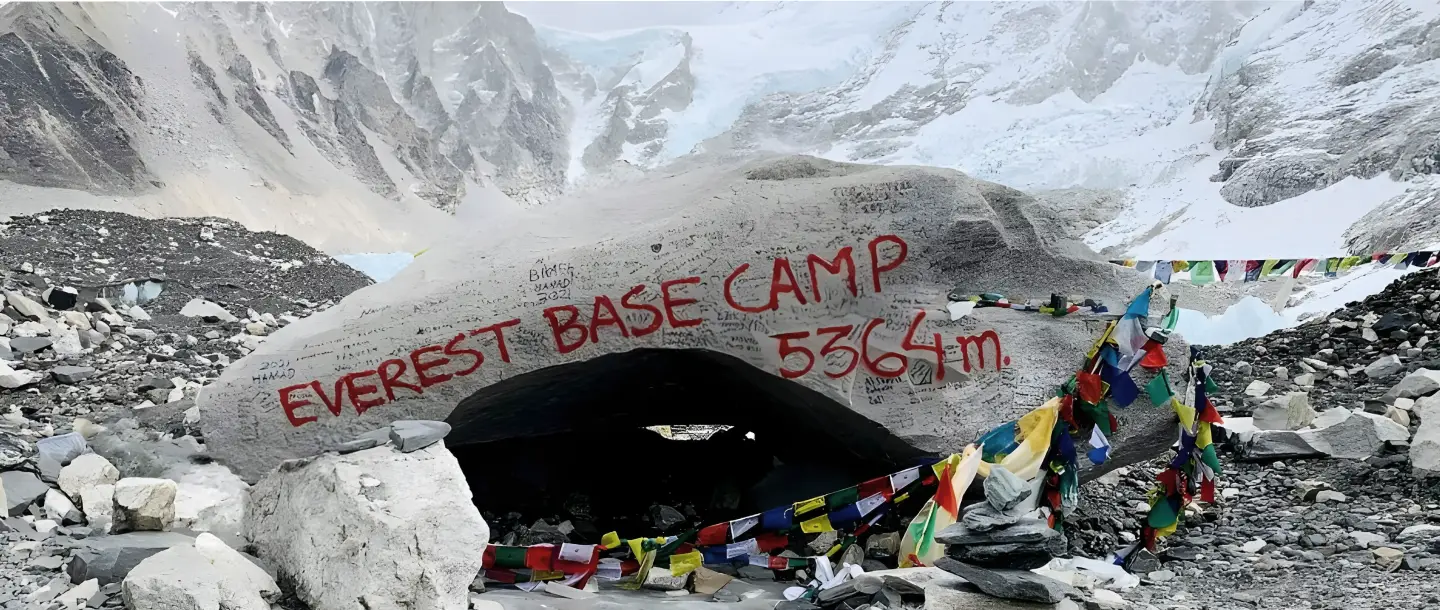
Everest Base Camp Trek: The Complete 2026 Planning Guide
Why Every High-Altitude Trekker Needs These Two Life-Saving Tools (And How to Use Them Properly)
Acclimatiation Process to make your trip successful

Why Trekkers Fail to Reach the Final Point in Nepal
Nepal Visa Information 2025: Complete Guide for Trekkers & Travelers
Gear for Cholatse Expedition
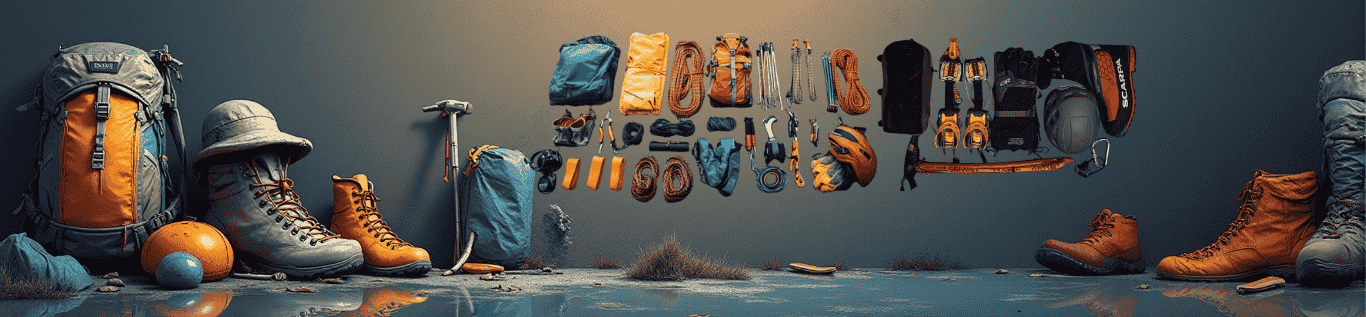
TREKKING SHOES
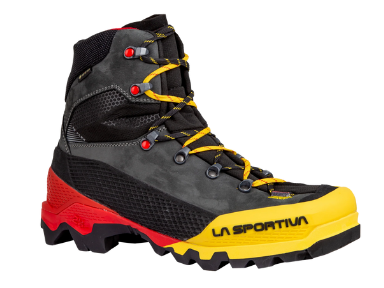
Trekking boots are built to provide comfort, stability, and protection while walking on rugged mountain trails and uneven terrain. They support your ankles, cushion your feet, and offer reliable traction on slippery or rocky surfaces. A good pair of trekking boots is essential for any trekker, as it helps prevent blisters, injuries, and fatigue during long journeys.
Wearing the right boots can make a huge difference in your overall trekking experience-keeping your feet dry, secure, and comfortable through changing weather and trail conditions. Whether you’re hiking through forests, crossing rivers, or climbing high passes, quality trekking boots are your most important companion on the trail.
My recomendation for Trekking Shoes:
Learn More
PANT
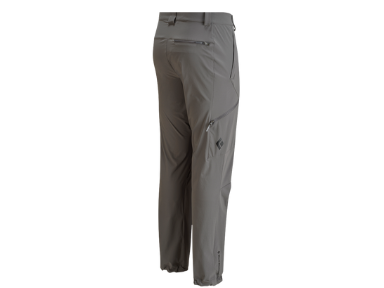
Trekking boots are built to provide comfort, stability, and protection while walking on rugged mountain trails and uneven terrain. They support your ankles, cushion your feet, and offer reliable traction on slippery or rocky surfaces. A good pair of trekking boots is essential for any trekker, as it helps prevent blisters, injuries, and fatigue during long journeys.
Wearing the right boots can make a huge difference in your overall trekking experience-keeping your feet dry, secure, and comfortable through changing weather and trail conditions. Whether you’re hiking through forests, crossing rivers, or climbing high passes, quality trekking boots are your most important companion on the trail.
My recomendation for Trekking Shoes:
Learn More
SHIRT
Trekking boots are built to provide comfort, stability, and protection while walking on rugged mountain trails and uneven terrain. They support your ankles, cushion your feet, and offer reliable traction on slippery or rocky surfaces. A good pair of trekking boots is essential for any trekker, as it helps prevent blisters, injuries, and fatigue during long journeys.
Wearing the right boots can make a huge difference in your overall trekking experience-keeping your feet dry, secure, and comfortable through changing weather and trail conditions. Whether you’re hiking through forests, crossing rivers, or climbing high passes, quality trekking boots are your most important companion on the trail.
My recomendation for Trekking Shoes:
Learn More

CHARGER
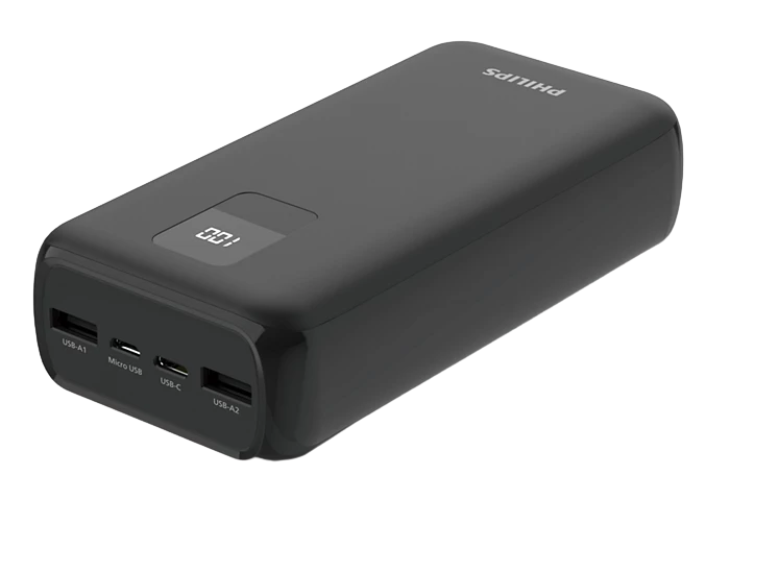
Trekking boots are built to provide comfort, stability, and protection while walking on rugged mountain trails and uneven terrain. They support your ankles, cushion your feet, and offer reliable traction on slippery or rocky surfaces. A good pair of trekking boots is essential for any trekker, as it helps prevent blisters, injuries, and fatigue during long journeys.
Wearing the right boots can make a huge difference in your overall trekking experience-keeping your feet dry, secure, and comfortable through changing weather and trail conditions. Whether you’re hiking through forests, crossing rivers, or climbing high passes, quality trekking boots are your most important companion on the trail.
My recomendation for Trekking Shoes:
Learn More
STICKS
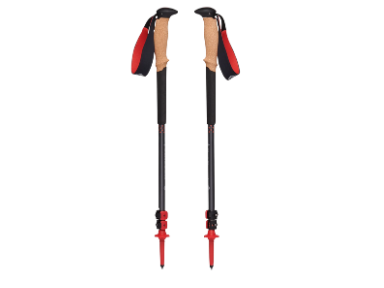
Trekking boots are built to provide comfort, stability, and protection while walking on rugged mountain trails and uneven terrain. They support your ankles, cushion your feet, and offer reliable traction on slippery or rocky surfaces. A good pair of trekking boots is essential for any trekker, as it helps prevent blisters, injuries, and fatigue during long journeys.
Wearing the right boots can make a huge difference in your overall trekking experience-keeping your feet dry, secure, and comfortable through changing weather and trail conditions. Whether you’re hiking through forests, crossing rivers, or climbing high passes, quality trekking boots are your most important companion on the trail.
My recomendation for Trekking Shoes:
Learn More
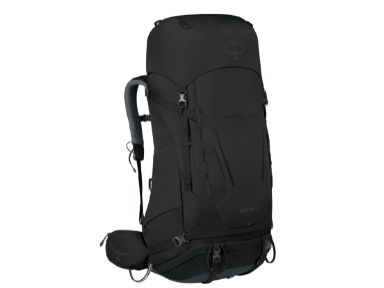
BAGS
Trekking boots are built to provide comfort, stability, and protection while walking on rugged mountain trails and uneven terrain. They support your ankles, cushion your feet, and offer reliable traction on slippery or rocky surfaces. A good pair of trekking boots is essential for any trekker, as it helps prevent blisters, injuries, and fatigue during long journeys.
Wearing the right boots can make a huge difference in your overall trekking experience-keeping your feet dry, secure, and comfortable through changing weather and trail conditions. Whether you’re hiking through forests, crossing rivers, or climbing high passes, quality trekking boots are your most important companion on the trail.
My recomendation for Trekking Shoes:
Learn More
SUNSCREEM
Trekking boots are built to provide comfort, stability, and protection while walking on rugged mountain trails and uneven terrain. They support your ankles, cushion your feet, and offer reliable traction on slippery or rocky surfaces. A good pair of trekking boots is essential for any trekker, as it helps prevent blisters, injuries, and fatigue during long journeys.
Wearing the right boots can make a huge difference in your overall trekking experience-keeping your feet dry, secure, and comfortable through changing weather and trail conditions. Whether you’re hiking through forests, crossing rivers, or climbing high passes, quality trekking boots are your most important companion on the trail.
My recomendation for Trekking Shoes:
Learn More