Nepal Trekking Permits: Everything You Need to Know
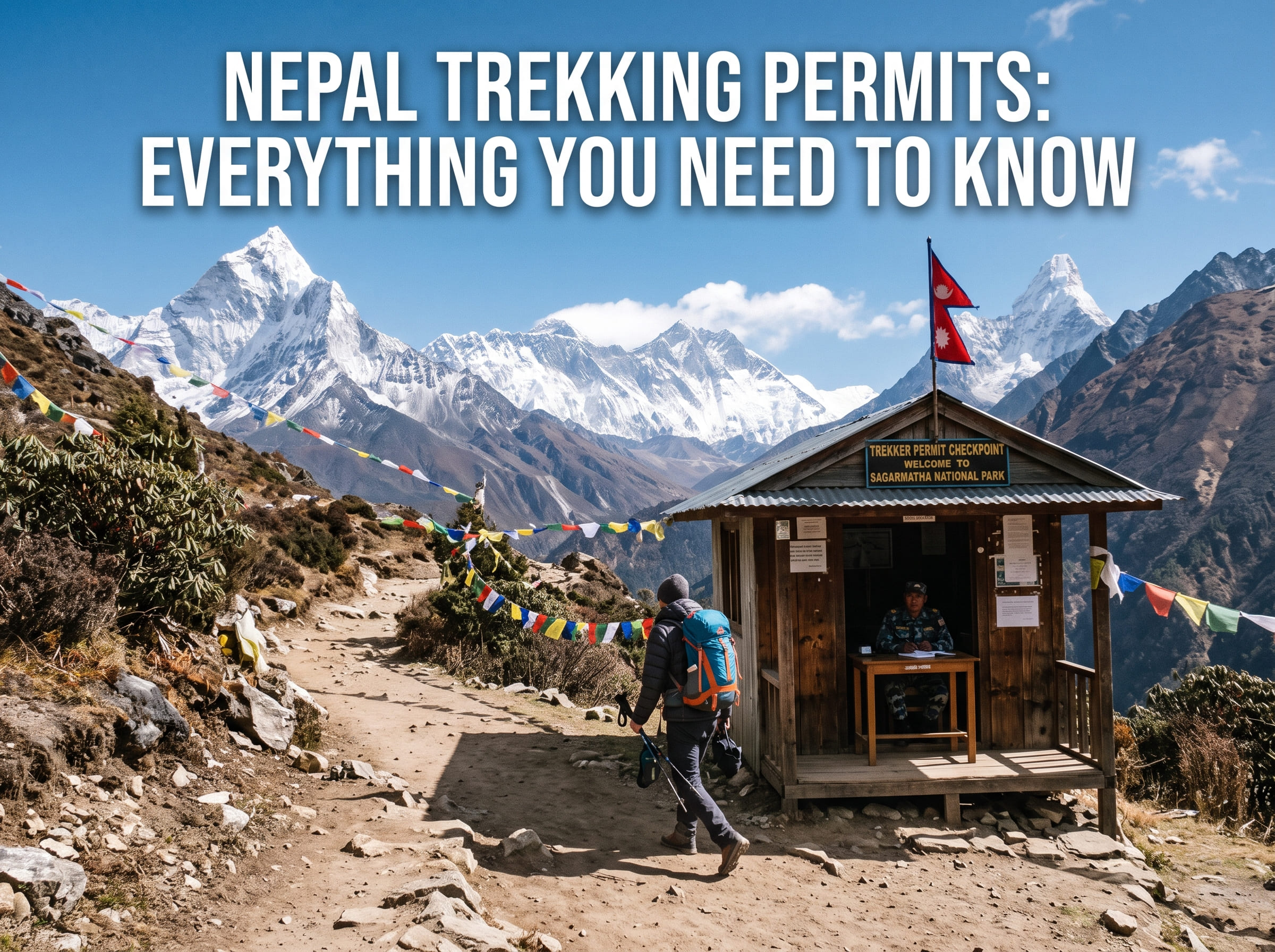
Trekking in Nepal requires paperwork. You can’t just arrive at a trailhead and start walking into the Himalayas. You need proper permits. The system confuses plenty of people, but it largely breaks down into basic park entry requirements and special restricted area regulations.
The TIMS card is the baseline. This stands for the Trekkers’ Information Management System. It costs about 2,000 NPR, which is roughly $15. SAARC nationals get a discount and pay 1,000 NPR. Think of it as a basic registration file. For years, independent hikers could buy one and walk off into the mountains alone. That changed in April 2023. Solo trekking is now banned across Nepal’s national parks. You have to hire a licensed guide. Your TIMS card must be issued directly through a registered trekking agency. E-TIMS exists, but you still go through a local company to get it.
Park entry tickets are a separate requirement. If you head to the Annapurna region, you need the Annapurna Conservation Area Project permit. It costs 3,000 NPR, or about $22. You pay that same 3,000 NPR flat rate for the Manaslu Conservation Area, Langtang National Park, and Shey Phoksundo National Park in Dolpo. Nepalese citizens pay just 100 NPR for these park entries. You can arrange most conservation permits at the Nepal Tourism Board offices in Kathmandu or Pokhara. The National Trust for Nature Conservation recently launched an online portal for Annapurna and Manaslu conservation permits so they can be prepaid digitally.
Everest operates on a different system entirely. Forget the TIMS card. The Khumbu region actually dropped the TIMS requirement back in October 2018. You need two very specific pieces of paper instead. The first is the Sagarmatha National Park entry permit. It costs 3,000 NPR for foreigners and 1,500 NPR for SAARC nationals. You can buy this in Kathmandu or at the Monjo checkpoint right on the trail. The second requirement is the Khumbu Pasang Lhamu Rural Municipality Permit. This local fee costs another 3,000 NPR. You pay it in cash right at the checkpoint in Lukla when you arrive. The total comes to roughly 6,000 NPR, about $45 to $48.
Restricted Area Permits apply to sensitive regions near the Tibetan border. The government uses high prices to limit foot traffic and protect the environment. You cannot get these independently. A registered agency must apply for you through the Department of Immigration in Kathmandu. Processing can take two to four weeks.
The pricing gets steep out there. Upper Mustang costs $50 per day. Upper Dolpo hits you with a $500 fee for the first ten days, then drops to $50 a day after that. Manaslu is seasonal. Expect to pay $100 per week during the September to November peak season, dropping to $75 a week from December through August. Nar Phu Valley matches those exact same Manaslu rates. Tsum Valley runs $40 per week in the fall and $30 the rest of the year. Kanchenjunga and Lower Dolpo are the cheapest restricted zones, costing just $20 per week.
A major rule shifted recently on March 22, 2026. Previously, the government forced you to travel with at least two foreigners to enter any restricted area. They dropped that minimum group size requirement. You can now trek these remote borders without another tourist in tow. You still must have a licensed local guide and an agency handling the paperwork.
Getting everything sorted requires physical documents. Bring your actual passport and multiple passport-sized photos. Keep a photocopy of your passport handy. Bring plenty of Nepalese Rupees in cash. Most rural checkpoints and government offices do not accept credit cards, and finding a working ATM on the trail is highly unlikely.
Checkpoints exist everywhere. Park rangers and local police verify your papers on every major route. Keep your permits dry in a waterproof pouch. Take backup photos of them on your phone before you start walking. If you lose a document mid-trek, replacing it is a massive headache.
Here at Kudos Expeditions, we handle this friction. You simply hand us your passport copies and photos. We submit the applications, stand in line, pay the local fees, and hand you the exact documents you need for your route.
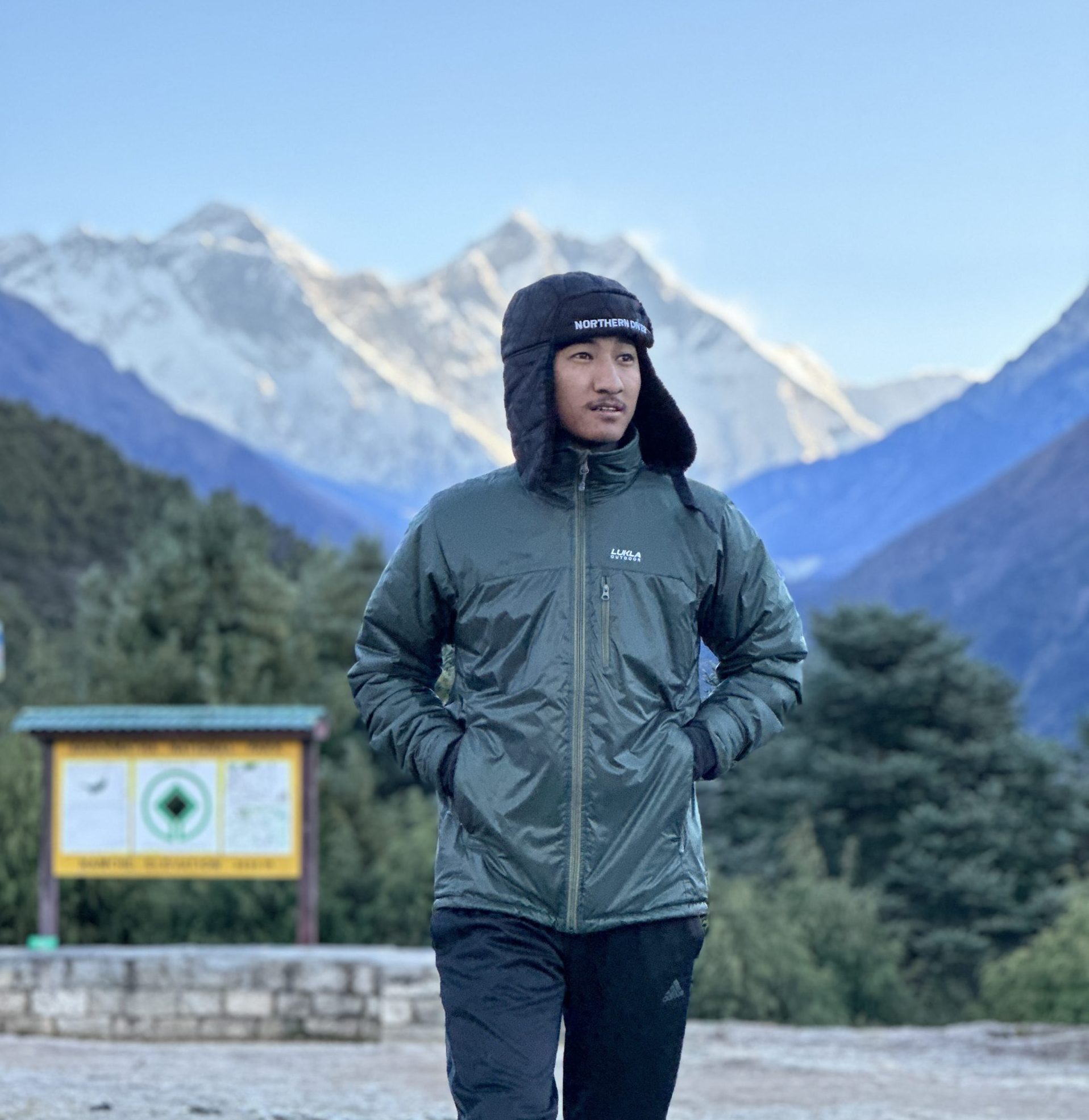
Hello, I'm Ang Tsering Sherpa. For the past 26 years, I've been immersed in the tourism industry, following a path shared by generations of my Sherpa family. With pride, dedication, and a deep-rooted passion, we Sherpas have dedicated ourselves to leading travelers along Nepal’s trails and mountains.
Know More