Why Trekkers Fail to Reach the Final Point in Nepal
Nepal is home to some of the most iconic trekking routes in the world — Everest Base Camp, Annapurna Circuit, Manaslu, Langtang, and many more.
Every year, thousands of trekkers arrive with excitement, strong motivation, and months of preparation.
But here’s something most travel blogs won’t tell you:
Nearly 30% of trekkers do not reach the final destination of their trek.
It’s not because the trekking trails are hard and impossible.
It’s not because they are not physically strong.
It’s because of preventable mistakes.
As a professional trekking guide in Nepal with more than a decade of experience in the tourism sector, I’ve seen this happen again and again. The good news? Almost all of these failures can be avoided.
Let’s break down the real reasons why trekkers fail — and how you can make sure you are not one of them.
1. Poor Itinerary Planning (The #1 Reason Trekkers Fail)
The biggest mistake trekkers make in Nepal is rushing their itinerary.
Many people try to complete the Everest Base Camp in the shortest possible time. Others attempt the Annapurna Circuit without proper acclimatization days.
The mountain does not reward speed.
Above 3,000 meters, your body needs time to adjust to lower oxygen levels. Increasing your sleeping altitude by more than 300–500 meters per day significantly increases the risk of altitude sickness.
A proper trekking itinerary in Nepal should include:
- Gradual elevation gain
- Acclimatization day every 1,000 meters
- 1–2 buffer days for weather delays
Trekkers who skip these basics often turn back halfway.
2. Ignoring Acclimatization Rules
Altitude sickness is the silent reason most trekkers fail.
It doesn’t matter how fit you are. Even marathon runners can suffer from Acute Mountain Sickness (AMS).
The golden rule of high-altitude trekking is simple:
Hike high, sleep low.
During the day, you can gain elevation. But sleeping lower allows your body to adapt.
Common early symptoms of altitude sickness include:
- Headache
- Nausea
- Loss of appetite
- Fatigue
- Dizziness
Many trekkers ignore these early signs, thinking it’s just tiredness. That mistake forces them to descend the next day, ending their trek early.
3. Dehydration at High Altitude
Another major reason trekkers fail to reach their final destination in Nepal is dehydration.
At higher altitudes:
- Your body breathes faster
- You lose moisture quickly
- You may not feel thirsty
Trekkers should drink 3–4 liters of fluids per day, including water, tea, and soup.
Dehydration worsens altitude symptoms and reduces energy levels. Proper hydration is not optional — it is part of altitude adaptation.
4. Packing Too Heavy
You would be surprised how many trekkers carry unnecessary items.
Overpacking leads to:
- Faster exhaustion
- Knee pain
- Lower stamina
- Reduced motivation
Even if you hire a porter, carrying unnecessary weight slows you down.
On popular trekking routes like Everest and Annapurna, tea houses provide blankets and basic facilities. A smart packing strategy focuses on essentials only.
Light backpack. Higher success rate.
5. Poor Layering and Temperature Management
The weather in Nepal’s mountains changes quickly.
Cold mornings, warm afternoons, freezing nights.
Trekkers who don’t layer properly either:
- Sweat excessively and get chilled
- Or stay cold and lose energy
Layering is not about wearing more clothes — it’s about wearing the right combination:
- Base layer for moisture control
- Insulation layer for warmth
- Outer shell for wind and snow protection
Maintaining body temperature is crucial for endurance and safety.
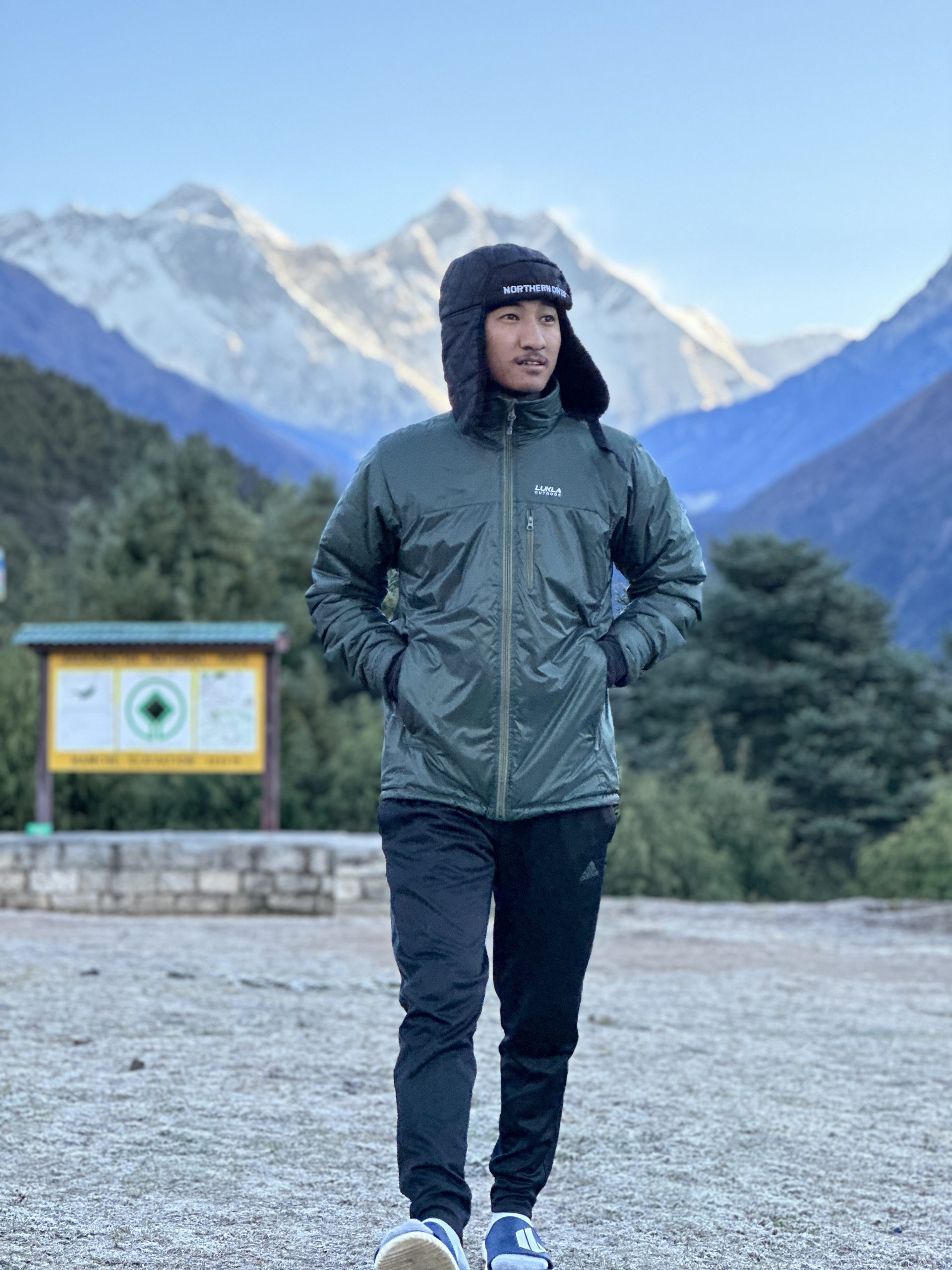
6. Not Covering the Head at Night
It sounds simple, but it matters.
Headache is usually the first symptom of altitude sickness. Cold exposure at night can make it worse.
Sleeping without proper head coverage in freezing temperatures often results in morning headaches and discomfort — reducing your ability to continue the trek.
Small details make a big difference in the mountains.
7. Not Bringing Personal Medication
Many trekkers assume their guide or trekking company will provide medicine in case of emergency.
That is not always possible.
Trekkers should:
- Consult a doctor before trekking
- Carry prescribed medications
- Bring personal first aid essentials
Your health is your responsibility.
The Real Truth About Trekking Success in Nepal
The mountain is not your enemy.
Lack of preparation is.
From my experience guiding in Everest and other Himalayan regions, trekkers who succeed usually share three qualities:
- They respect altitude
- They follow a proper itinerary
- They listen to their body
Trekking in Nepal is not a race.
It’s a journey that rewards patience.
How to Successfully Reach Your Final Destination
If you truly want to reach Everest Base Camp, Thorong La Pass, or any high-altitude final point in Nepal:
- Choose a well-designed itinerary
- Include acclimatization days
- Stay hydrated
- Pack light
- Layer smart
- Carry personal medication
- Always keep buffer days
With proper planning, your success rate increases dramatically.
Plan Your Trek with Experienced Professionals
At Kudos Exped, we believe trekking in Nepal should be safe, structured, and memorable.
Our itineraries are designed based on real mountain experience — not copied templates.
If you’re planning your trek in Nepal and want to maximize your chances of reaching the final destination safely, contact our team for professional guidance.
Because in the Himalayas, preparation is everything.