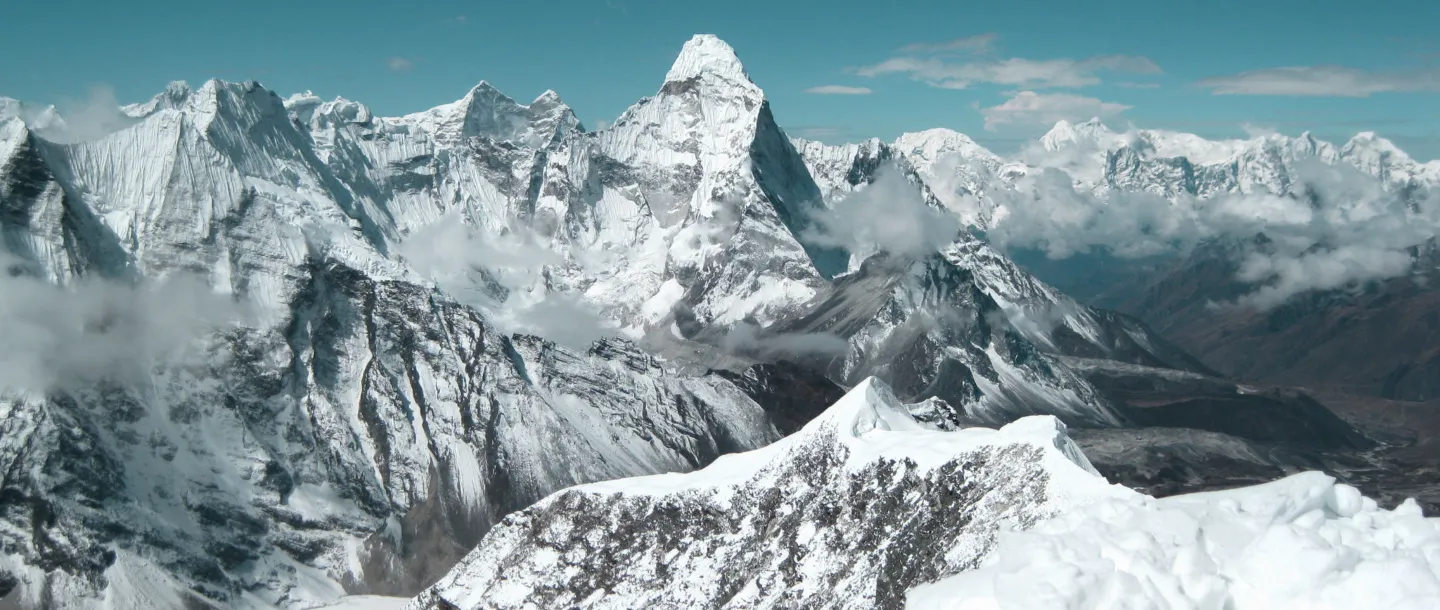
Nepal Visa Information 2025: Complete Guide for Trekkers & Travelers
If you’re planning a trek, climbing expedition, or cultural tour in Nepal, understanding the visa rules is just as important as choosing the right route. Whether you’re flying into Kathmandu for Everest Base Camp or crossing a land border for the Manaslu Circuit, this guide walks you through exactly how Nepal’s visa system works in 2026—step by step.
We’ll cover:
- Who needs a visa (and who doesn’t)
- Visa on arrival at the airport and borders
- Online visa / ETA process
- Applying through embassies
- Countries not eligible for visa on arrival
- Visa fees, duration, and extensions
- Practical tips for trekkers and climbers
All information here is based on official Nepal Immigration resources and recent government/embassy updates. Nepal Embassy London+4Nepal Immigration Department+4Nepal Immigration Department+4
1. Nepal Visa Basics – Who Needs a Visa?
Do I need a visa to enter Nepal?
- Yes – Almost all foreign nationals must have a visa to enter Nepal, even for a short holiday or trek.
- The big exception: Indian citizens can enter Nepal visa-free, under long-standing bilateral arrangements. They usually need to show an Indian passport or voter ID at the border or airport.
Everyone else (tourists, trekkers, climbers, volunteers, business visitors, etc.) enters Nepal on a Tourist Visa, even if their purpose later changes to study, work, or volunteering. Once in Nepal, you can change the visa category at the Department of Immigration if you meet the requirements for that new category. Nepal Immigration Department
2. Tourist Visa: The Standard Entry Visa for Nepal
Nepal treats the Tourist Visa as the default entry visa for almost all foreign visitors. Whether you come for trekking, sightseeing, visiting friends, or even initial business meetings, you normally start with this visa type. Nepal Immigration Department
Key points:
- It is available on arrival for most nationalities (details below).
- It is multi-entry – you can leave and re-enter Nepal on the same visa while it’s valid.
- You can extend it inside Nepal up to a maximum number of days per year.
3. Visa Duration, Fees & Maximum Stay
As of 2025, Nepal offers three standard tourist visa durations with simple, flat fees.Standard Tourist Visa Options
| Visa Duration | Typical Use Case | Approx. Fee (USD) |
| 15 days | Short treks, quick visits, stopovers | $30 |
| 30 days | Annapurna / Everest treks, standard holidays | $50 |
| 90 days | Long expeditions, multiple treks, extended stays | $125 |
These rates are reported consistently across official-linked resources and recent travel advisories.
💡 Minimum visa grant:
The shortest standard tourist visa you can get is 15 days. There is no official 1-week or 10-day visa; even if you stay less, you pay for at least 15 days.
Maximum Time You Can Stay in Nepal on a Tourist Visa
- You can hold tourist visas (including extensions) for up to 150 days within a visa year (often treated as a calendar year).
- Staying longer than your visa allows is illegal and can lead to fines, penalties or even detention, so always extend before expiry.
4. Ways to Get a Nepal Tourist Visa
There are three main ways to obtain your Nepal visa:
- Visa on Arrival – most common and convenient
- Online Pre-Arrival Application (ETA / Online Tourist Visa Form) – speeds up arrival
- Visa from a Nepali Embassy/Consulate – required for some nationalities or if you want the visa before you fly
Let’s break each one down.
5. Visa on Arrival in Nepal (Most Popular Option)
For most travelers, the easiest method is Visa on Arrival (VOA). You land in Nepal (or arrive at a land border), complete the form, pay the fee, and get the visa label in your passport on the spot.
Where can you get a Visa on Arrival?
Visa on Arrival is available at: Nepal Immigration Department
- Tribhuvan International Airport (TIA), Kathmandu – Nepal’s only international airport.
- Major land entry points on the India & China borders, such as:
- Kakarbhitta (Jhapa, Eastern Nepal)
- Birgunj (Parsa)
- Belahiya / Bhairahawa (Rupandehi, near Lumbini)
- Jamunaha / Nepalgunj (Banke)
- Mohana / Dhangadhi (Kailali)
- Gaddachauki / Mahendranagar (Kanchanpur)
- Rasuwagadhi (Rasuwa, towards Tibet/China)
- Kakarbhitta (Jhapa, Eastern Nepal)
These border posts are designated entry/exit points by the Department of Immigration and handle both immigration control and visa services for foreign nationals.
Who can use Visa on Arrival?
- Most nationalities can use Visa on Arrival.
- Some travelers are not eligible (see the “Prohibited for Visa on Arrival” section below).
- Indian citizens do not require a visa at all.
Documents You Should Have Ready
To make the process smooth, have:
- A passport valid for at least 6 months from your entry date
- At least one blank page for the visa sticker
- 2 passport-size photo (recommended; photo booths often available at TIA)
- Completed arrival card (distributed on the plane or at the airport)
- Completed online visa form (either in advance or at a kiosk on arrival)
- Visa fee in cash – US dollars are widely preferred; some counters accept cards, but cash is safer
Step-by-Step: How Visa on Arrival Works at the Airport
At Tribhuvan International Airport, the general flow is:
- Fill out the arrival card you’re given on the flight or pick it up in the arrivals hall.
- Complete the online visa form:
- Either at a self-service kiosk in the terminal
- Or use the online form within 15 days before you arrive, then bring the printed confirmation/QR code with you (more on this in the next section).
- Either at a self-service kiosk in the terminal
- Pay the visa fee at the payment counter (15/30/90 days). Expect the clerk to ask how long you plan to stay. Keep your receipt.
- Go to the immigration desk with:
- Passport
- Arrival card
- Printed online form receipt (if you used the online system)
- Fee receipt
- Passport
- The officer will stick the visa in your passport, stamp it, and tell you how long it’s valid. Double-check the expiry date before leaving the counter.
⏱ Time required:
Outside peak trekking seasons, many travelers clear the visa process in around 20–30 minutes. In busy months (March–May, Sep–Nov), queues can be long, so having the online form done in advance really helps.
6. Online Tourist Visa / ETA (Pre-Arrival Application)
Nepal now offers an online tourist visa form (often referred to as ETA or e-Visa form) that you fill out before you travel. This isn’t a full electronic visa in itself—you still receive the actual visa sticker on arrival—but it speeds up the process.
Where to apply online
The official online system is hosted on Nepal Immigration’s e-services portal: nepaliport.immigration.gov.np
- Nepaliport Immigration Portal – “Online Tourist Visa” / ETA form
- It’s linked directly from the Department of Immigration website under online visa services.
When to apply
- You can submit the online form within 15 days before you arrive in Nepal.
If you submit earlier than that, the form may expire before you land, and you’ll have to redo it.
What the online form asks for
The online form will typically ask you to provide: nepaliport.immigration.gov.np
- Your passport details (number, issue/expiry dates, nationality)
- Date of birth and personal information
- Planned entry point (e.g., TIA Kathmandu, or a specific land border)
- Intended length of stay and visa type (Tourist Visa, 15/30/90 days)
- Contact address in Nepal (hotel, trekking agency, host)
- A digital passport-size photo
How the online process works
- Complete and submit the form on the official portal.
- After submission, download and print the confirmation with barcode/QR
- Keep this printout with your passport.
- On arrival in Nepal, go directly to the payment counter/immigration with:
- Passport
- Printed confirmation
- Visa fee in cash/card
- Passport
- Your actual visa is issued at the airport or border, based on this pre-submitted information.
Using the online form doesn’t bypass the fee or the immigration counter, but it cuts down time at the kiosks and form-filling stations—especially useful if you’re arriving during peak trekking season.
7. Getting a Visa from a Nepali Embassy or Consulate (Before You Travel)
For some travelers, especially those not eligible for visa on arrival, or who prefer to have everything settled before departure, applying at a Nepali embassy or consulate is the best option. Nepal Immigration Department
Who should consider embassy applications?
- Citizens of countries prohibited from Visa on Arrival (see below)
- Travelers who prefer extra assurance by having the visa already stamped
- People entering Nepal overland from places where border facilities may be busy or slow
General embassy application steps
Exact steps vary slightly by country, but usually you must:
- Fill out a visa application form (often downloadable from the embassy website or through the online portal).
- Provide your passport (with at least 6 months’ validity).
- Attach passport photos.
- Pay the visa fee (local currency or as specified by the mission).
- Wait for processing (often 2–5 working days).
Some embassies now integrate with the nepaliport online application system so you can submit online and then collect the visa from the embassy.
8. Countries Not Eligible for Visa on Arrival
While Nepal’s visa on arrival policy is very generous, a small group of countries is excluded and must obtain a tourist visa in advance from a Nepali mission abroad
As of late 2025, citizens (with ordinary passports) of the following countries are not eligible for visa on arrival:
- Afghanistan
- Cameroon
- Ethiopia
- Ghana
- Iraq
- Liberia
- Nigeria
- Palestine
- Somalia
- Swaziland / Eswatini
- Syria
- Zimbabwe
In addition:
- Refugees holding travel documents (instead of a national passport) are also required to obtain a visa in advance.
Travelers from these countries should contact the nearest Nepali embassy or consulate well before travel to arrange their visa, as they will normally be turned away from visa-on-arrival counters.
🔁 Always double-check:
Visa rules can change. Travelers from these or any politically sensitive countries should verify with their nearest Nepalese embassy or the official immigration.gov.np site before booking.
9. Special Cases: SAARC Citizens, Indian Nationals & Visa Exemptions
Indian Citizens
- Indian nationals can enter Nepal without a visa for tourism and most ordinary travel purposes.
- They are typically asked to present a valid Indian passport or voter ID card with photo.
SAARC Nationals
According to several Nepal visa guides referencing official practice
- Citizens of some SAARC countries (for example Bangladesh, Bhutan, Maldives, Pakistan, Sri Lanka) may be offered a complimentary 30-day tourist visa once per year, under regional arrangements.
- They still receive a visa sticker, but the fee may be waived for that first 30-day period.
Because policies can be adjusted or interpreted differently by embassies and officers, SAARC nationals should confirm the current rules with the nearest Nepali mission or official immigration site before traveling.
10. Visa Extensions & Overstays
Extending your tourist visa
If you decide to stay longer for an extra trek or side trip, you can extend your tourist visa inside Nepal.
Extensions are handled by
- Department of Immigration, Kathmandu
- Immigration Office, Pokhara
Typical rules (as commonly described in updated visa guides):
- Minimum extension: 15 days
- The extension fee is calculated per day after the minimum period (for example, a base fee for 15 days plus a per-day charge beyond that)
- Total stay across original visa + extensions cannot exceed 150 days in a visa year
Exact extension fees can change, so it’s best to check the latest rates on the Department of Immigration website or with a local agency before applying.
What happens if you overstay?
Overstaying a Nepalese visa is taken seriously. According to official and embassy guidance:
- You may be fined per day of overstay.
- In more serious or extended overstays, you could face detention, difficulty leaving the country, and future trouble getting visas.
Always extend in advance if you know you’ll stay longer than your current visa.
11. Practical Visa Tips for Trekkers & Climbers
If you’re coming for trekking or mountaineering, keep these practical points in mind:
- Choose the right duration from the beginning
- A standard Everest Base Camp or Annapurna Circuit trip often needs close to 14–21 days including buffer days, so a 30-day visa is usually safer than 15.
- For longer routes like Manaslu Circuit, Upper Mustang, or multi-region trips, consider starting with a 90-day visa to avoid mid-trek extensions.
- A standard Everest Base Camp or Annapurna Circuit trip often needs close to 14–21 days including buffer days, so a 30-day visa is usually safer than 15.
- Keep extra cash for the visa fee
- US dollars are widely accepted; some counters accept cards, but ATMs and card systems aren’t guaranteed, especially at land borders.
- Print your online visa confirmation
- Double-check your visa sticker
- Before leaving the immigration desk, make sure the expiry date and number of days granted match what you paid for. Corrections later can be a headache.
- Before leaving the immigration desk, make sure the expiry date and number of days granted match what you paid for. Corrections later can be a headache.
- Allow extra time before treks
- Try not to land in Kathmandu and fly to Lukla or Pokhara on the same tight connection day. Give yourself at least one full day to clear immigration, rest, and handle any issues.
- Try not to land in Kathmandu and fly to Lukla or Pokhara on the same tight connection day. Give yourself at least one full day to clear immigration, rest, and handle any issues.
- Combine visa planning with trekking permits
- Many trekking regions (Annapurna, Manaslu, Mustang, Kanchenjunga, etc.) require separate trekking permits. Your trekking agency can usually help you align your visa length with your permit duration.
- Many trekking regions (Annapurna, Manaslu, Mustang, Kanchenjunga, etc.) require separate trekking permits. Your trekking agency can usually help you align your visa length with your permit duration.
12. FAQs – Nepal Visa Questions Travelers Ask Most
Q1. Can I enter Nepal without a visa and get one later?
No. If you are not an Indian citizen, you must either get a visa on arrival or arrive already holding a visa from an embassy. You cannot enter Nepal legally without some form of visa approval.
Q2. Can I apply fully online and skip the visa counter?
Not yet. The current system is a hybrid:
- You submit details online (ETA / Online Tourist Visa).
- But you still pay and receive the physical visa sticker on arrival at the airport or land border.
Q3. How far in advance can I fill the online visa form?
You should submit the online form within 15 days of your arrival date. If you submit earlier, it may expire and you’ll have to do it again.
Q4. What if my travel dates change after I submit the online form?
Small changes (e.g., arriving one day earlier/later) usually don’t cause problems, but if your trip is significantly rescheduled, it’s safer to submit a new form inside the 15-day window. When in doubt, ask your airline, trekking company, or nearest embassy.
Q5. Do children need visas?
Yes. Children who are not Indian citizens also require their own tourist visa, even if they are listed in a parent’s passport (depending on the passport issuing country’s rules). The process is similar, though some embassies may offer reduced fees—check with your local Nepali mission.
Q6. I’m transiting at Kathmandu airport. Do I still need a visa?
If you do not leave the international transit area and your onward flight is on the same ticket, a visa is normally not needed. But if you plan to leave the airport, even for a few hours, you must obtain a visa (usually a 15-day tourist visa). Check with your airline or travel agent for your specific itinerary.
Conclusion
For most visitors, getting a Nepal visa is simple, affordable, and fast. Nearly all trekkers and tourists arrive on a Tourist Visa, obtainable on arrival at Kathmandu airport or at major land borders, with flexible durations of 15, 30, or 90 days and a generous extension policy that allows up to 150 days per year in total.
As long as you:
- Check if your nationality is eligible for a Visa on Arrival
- Decide how long you realistically need for your trek or expedition
- Bring the right documents and visa fee
- Use the online form within 15 days before arrival (optional but recommended)
…your entry into Nepal should be smooth and stress-free—letting you focus on what really matters: the mountains, the culture, and the adventure ahead.
If you still have questions about Nepal visa procedures, trekking permits, entry requirements, or anything related to planning your trip, Kudos Exped is always happy to assist you. Whether you’re preparing for a high-altitude trek, a cultural tour, or a simple holiday, our team is here to make your journey smooth, safe, and hassle-free.
Feel free to reach out to us anytime — we’re more than glad to guide you through the visa process or answer any inquiries regarding traveling in Nepal.
And if you found this guide helpful, you can share it directly with family and friends using the icons below — especially those who are planning or dreaming of visiting Nepal. Your small share might inspire someone’s next great adventure!
Hello, I'm Ang Tsering Sherpa. For the past 26 years, I've been immersed in the tourism industry, following a path shared by generations of my Sherpa family. With pride, dedication, and a deep-rooted passion, we Sherpas have dedicated ourselves to leading travelers along Nepal’s trails and mountains.
Know More