Altitude Sickness Information: The Complete, In-Depth Guide for Trekkers and High-Altitude Travelers in Nepal
Altitude sickness is one of the most important topics for anyone traveling to Nepal’s Himalayan regions. Whether you’re trekking to Everest Base Camp, crossing a high pass like Thorong-La or Larke-La, or climbing more advanced peaks, understanding altitude sickness can be the defining factor between a safe, enjoyable journey and a life-threatening emergency.
This guide explains altitude sickness in thorough detail — what it is, why it happens, how to recognize it early, how to prevent it, and what to do if symptoms appear. It also covers two advanced, dangerous altitude illnesses: HAPE (High Altitude Pulmonary Edema) and HACE (High Altitude Cerebral Edema), which every trekker should understand clearly before heading into the mountains.
1. What Exactly Is Altitude Sickness?
Altitude sickness, also known medically as altitude illness or mountain sickness, is a condition that occurs when your body doesn’t get enough time to adjust to decreasing oxygen levels at higher elevations. As you move higher into the mountains, the air becomes thinner. This doesn’t mean there is less oxygen in the air, but rather that the atmospheric pressure is lower, making each breath contain fewer oxygen molecules than you need. Your body must work harder to supply sufficient oxygen to your brain, lungs, muscles, and vital organs.
When you ascend gradually, the body can adapt through a process called acclimatization, where breathing becomes deeper and faster, the heart pumps more efficiently, and eventually the body increases the number of red blood cells to transport more oxygen. But if you move upward too quickly, this adaptation lags behind, leading to a mismatch between oxygen demand and supply. That’s how altitude sickness begins.
Altitude sickness is an umbrella term for three main medical conditions:
- Acute Mountain Sickness (AMS) – the mildest and most common
- High Altitude Pulmonary Edema (HAPE) – fluid buildup in lungs
- High Altitude Cerebral Edema (HACE) – swelling of the brain
AMS often appears first and is less dangerous, but if ignored or if you continue ascending, it can worsen into HAPE or HACE — both of which can become life-threatening.
2. Why Altitude Sickness Happens: The Physiology Behind It
At sea level, each breath you take contains enough oxygen to easily saturate your blood. However, at altitudes above 2,500 meters, the air pressure drops significantly, meaning your body receives less oxygen with each breath. Your bloodstream carries less oxygen to your tissues, a condition called hypobaric hypoxia.
This lack of oxygen forces your body to adapt in several ways:
- Your breathing rate increases. Your brain automatically tries to compensate by telling your lungs to breathe deeper and faster.
- Your heart beats faster. It pumps with more force to deliver what little oxygen is available.
- Your body produces more red blood cells (but this happens slowly over days or weeks).
- Your sleep becomes shallow or disturbed. The brain and lungs don’t coordinate normally while you sleep, leading to irregular breathing and frequent awakenings.
If these adaptations are not enough or if you ascend too rapidly, the low oxygen triggers inflammation, fluid shifts, and abnormal pressure changes that lead to AMS, HAPE, or HACE.
3. At What Altitude Does Sickness Begin?
Altitude sickness does not have a fixed “trigger height” because everyone reacts differently. However, medical research on high-altitude travelers identifies some clear thresholds:
- Most people begin to feel some altitude effects above 2,500 meters (8,200 ft).
- The risk increases significantly between 3,000 and 3,500 meters.
- Serious altitude conditions like HAPE and HACE commonly appear above 3,500–4,000 meters, though they can occur lower.
- The speed of ascent is often more important than the altitude itself.
This is why treks in Nepal, especially popular ones like Everest Base Camp or Annapurna Circuit, include scheduled acclimatization days in high villages such as Namche Bazaar, Dingboche, Manang, and others.
4. Who Is Most Likely to Get Altitude Sickness?
A surprising fact is that physical fitness does not protect you from altitude sickness. Even athletes and seasoned mountaineers can suffer from AMS, HAPE, or HACE. Some of the fittest people have gotten sick simply because they ascended too quickly or did not pay attention to early symptoms.
Risk increases if:
You ascend too fast
The biggest risk factor is speed. Traveling from low altitude directly to high elevations without proper rest days puts immense pressure on your body.
You make large jumps in sleeping altitude
Climbing several hundred meters during the day is normal, but sleeping at a much higher altitude than the night before dramatically increases your chance of getting sick.
You overexert yourself early in the trek
Strenuous hiking too soon can worsen oxygen demand and bring on symptoms faster.
You’ve had altitude sickness before
Your likelihood of developing it again is significantly higher.
You are dehydrated or unwell before ascent
Diarrhea, colds, or even lack of sleep can reduce your body’s ability to adapt.
You sleep or rest poorly
Irregular breathing at high altitude affects your sleep quality, making you more vulnerable.
Age, gender, fitness, or experience don’t offer protection — your body’s adaptation rate is what matters most.
5. Understanding AMS (Acute Mountain Sickness)
AMS is the most common form of altitude sickness. It typically feels like a mix of:
- A persistent headache
- Nausea or vomiting
- Loss of appetite
- Fatigue or weakness
- A feeling of dizziness or imbalance
- Troubled sleep or waking up breathless
These symptoms usually appear a few hours after reaching a higher altitude, often in the afternoon or evening after a day of climbing.
AMS is uncomfortable but usually not dangerous if managed early. The keys are:
- Stop ascending.
- Rest.
- Hydrate.
- Let your body catch up.
If AMS improves with rest, you can continue your trek the next day. If it gets worse, you must descend.
⚠️ HAPE & HACE — The Two Dangerous Forms of Altitude Sickness
These require special, detailed explanations because they are life-threatening if ignored.
6. High Altitude Pulmonary Edema (HAPE) — Fluid in the Lungs
HAPE is a serious altitude-related condition where fluid leaks into the lungs. This prevents oxygen from crossing into the bloodstream, causing a rapid decline in physical ability and breathing.
Why HAPE Happens
At high altitude, blood vessels in the lungs constrict due to low oxygen. In some individuals, this reaction is uneven or extreme. As pressure increases inside the lung arteries:
- Tiny blood vessels leak
- Fluid accumulates inside the air sacs
- Oxygen intake becomes severely restricted
- The body begins to suffocate from within
Symptoms of HAPE
Symptoms often begin subtly but worsen quickly:
- Shortness of breath even while resting — this is the clearest warning sign.
- A dry cough that becomes wet or frothy later.
- Chest tightness or pressure, like you cannot fully inhale.
- Loss of stamina — a person who walked easily yesterday now struggles with simple steps.
- Rapid heartbeat and rapid breathing, even when sitting still.
- Cold, pale, or blue lips/fingertips due to poor oxygen.
- Weakness, feeling faint, or extreme fatigue.
How HAPE Progresses
If untreated, HAPE can worsen very quickly. The person may become too fatigued to walk, confused from lack of oxygen, or collapse. HAPE is one of the leading causes of death among high-altitude trekkers and climbers.
What To Do in Case of HAPE
Immediate action is essential:
- Stop all ascent immediately.
- Descend at least 800–1,000 meters, or as far as safely possible.
- Give oxygen if available.
- Keep the person warm — cold worsens HAPE.
- Use a portable hyperbaric chamber if descent is delayed.
Medical treatment may include nifedipine, which reduces lung blood pressure, but descent is always the most important treatment.
7. High Altitude Cerebral Edema (HACE) — Brain Swelling at Altitude
HACE is the most dangerous altitude sickness and a true medical emergency. It is essentially brain swelling caused by severe altitude stress.
Why HACE Happens
At high altitude, the lack of oxygen disrupts the blood-brain barrier. This makes fluid leak into brain tissue, causing the brain to swell. Since the skull cannot expand, even small increases in brain volume lead to pressure on vital brain centers controlling walking, coordination, and consciousness.
Symptoms of HACE
HACE often begins as worsening AMS, then progresses:
- Severe, unrelenting headache
- Loss of balance and coordination — the person cannot walk straight
- Confusion, unusual behavior, disorientation
- Slurred speech
- Extreme drowsiness — difficulty staying awake
- Blurred or double vision
- Eventually, unconsciousness or coma
A classic field test is the “heel-to-toe walking test.” If the person cannot walk in a straight line, assume HACE until proven otherwise.
What To Do in Case of HACE
HACE is a life-threatening emergency, requiring:
- Immediate descent, even if carried by others
- Emergency oxygen
- Dexamethasone if available and trained to use it
- Continuous monitoring — never leave the person alone
- Hyperbaric chamber if descent is delayed
Without rapid action, HACE can lead to permanent brain damage or death.
8. Preventing Altitude Sickness — The Most Important Part
Ascend Slowly and Strategically
Slow ascent remains the most reliable prevention. Trekkers should avoid increasing their sleeping altitude by more than 300–500 meters per day once above 3,000 meters. This guideline is why acclimatization days are essential in itineraries.
“Climb High, Sleep Low” Approach
This method means trekking to a higher point during the day but returning to a lower altitude to sleep. It allows the body to adapt with less stress. Trekking experts use this method for almost all high-altitude routes.
Acclimatization Days Matter
Your body needs specific days of rest at altitude to adjust. Places like Namche Bazaar, Dingboche, and Manang are common acclimatization stops in Nepal. Skipping these rest days is one of the fastest ways to develop symptoms.
Hydration and Nutrition
Staying properly hydrated helps your body maintain adequate blood volume and oxygen circulation. A carbohydrate-rich diet provides efficient energy because fats and proteins require more oxygen to metabolize — something in short supply at altitude.
Avoid Alcohol and Smoking
Alcohol depresses breathing, reducing your body’s ability to take in oxygen. Smoking constricts lung vessels, further increasing risk.
Medication (Only When Necessary)
Some people may use acetazolamide (Diamox) to speed acclimatization if medically approved. Others at high risk of HAPE or HACE may use medications like nifedipine or dexamethasone under specialized guidance. But drugs are not a substitute for safe ascent.
9. What To Do When Symptoms Appear
For Mild AMS
- Stop ascending
- Drink more fluids
- Rest, sleep, and observe symptoms
- If headache is mild, ibuprofen or paracetamol may help
- Resume climbing only when symptoms fully disappear
If Symptoms Worsen or Do Not Improve
This means your body is not adapting and you must descend. Do not wait until symptoms become severe.
For HAPE or HACE
These are emergencies:
- Evacuate the person immediately
- Administer oxygen
- Use hyperbaric bag if available
- Give emergency medications (if trained)
- Seek medical care as soon as possible
Never assume severe symptoms will “pass with rest.” At altitude, deterioration can be rapid.
Conclusion
Altitude sickness is preventable, predictable, and manageable when you understand the risks and follow safe ascent rules. It doesn’t care about fitness, age, or experience — it only cares about how fast you ascend and how well your body adapts.
Knowledge, preparation, and careful planning allow you to enjoy Nepal’s breathtaking high-altitude landscapes safely and confidently.
Need Help Preparing for Your Trek in Nepal?
If you have any questions about altitude sickness, acclimatization planning, trek safety, or anything related to traveling in Nepal, Kudos Exped is always happy to help you with any inquiries regarding Nepal.
Feel free to reach out, and if you found this guide useful, you can share it directly with family and friends using the icons below — especially anyone interested in trekking or exploring the Himalayas. Sharing good information can help someone travel safer and smarter!
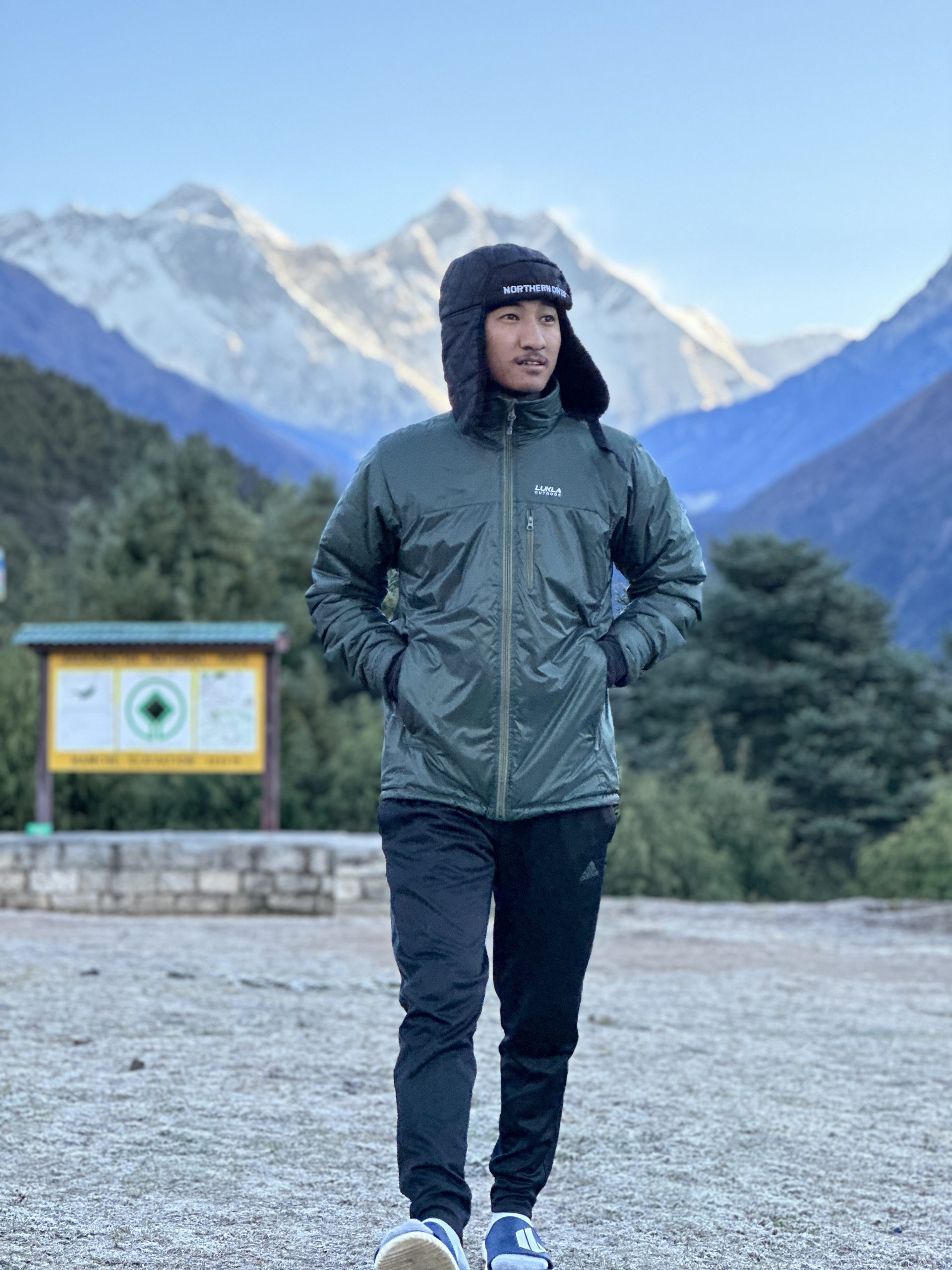
Hello, I'm Ang Tsering Sherpa. For the past 26 years, I've been immersed in the tourism industry, following a path shared by generations of my Sherpa family. With pride, dedication, and a deep-rooted passion, we Sherpas have dedicated ourselves to leading travelers along Nepal’s trails and mountains.
Know More