Island Peak Climbinng

Trip Difficulty: Moderate

Trip Days:18

Max Elevation: 6165m

Daily Activity: 6-7 hours Trek

Trip Starts: Lukla

Trip Ends: Lukla
Island Peak Exped / Climbing, also known as Imja Tse, is Nepal’s most iconic “first Himalayan summit” for trekkers who want to step beyond hiking and experience real mountaineering—without committing to an 8,000-meter expedition. The peak rises above the Imja Valley in the heart of the Khumbu region, inside Sagarmatha National Park, surrounded by legendary Himalayan giants and some of the most famous trekking villages on Earth.
Island Peak earned its name during the early Everest era. When viewed from Dingboche, the mountain appears like an island rising out of a sea of ice—an image that still perfectly describes the landscape you’ll cross on summit day. The peak was later officially renamed Imja Tse in 1983, but “Island Peak” remains the name most climbers recognize and search for today.
What makes Island Peak so popular?
- A classic Everest-region trek through Sherpa villages, monasteries, suspension bridges, and high alpine valleys
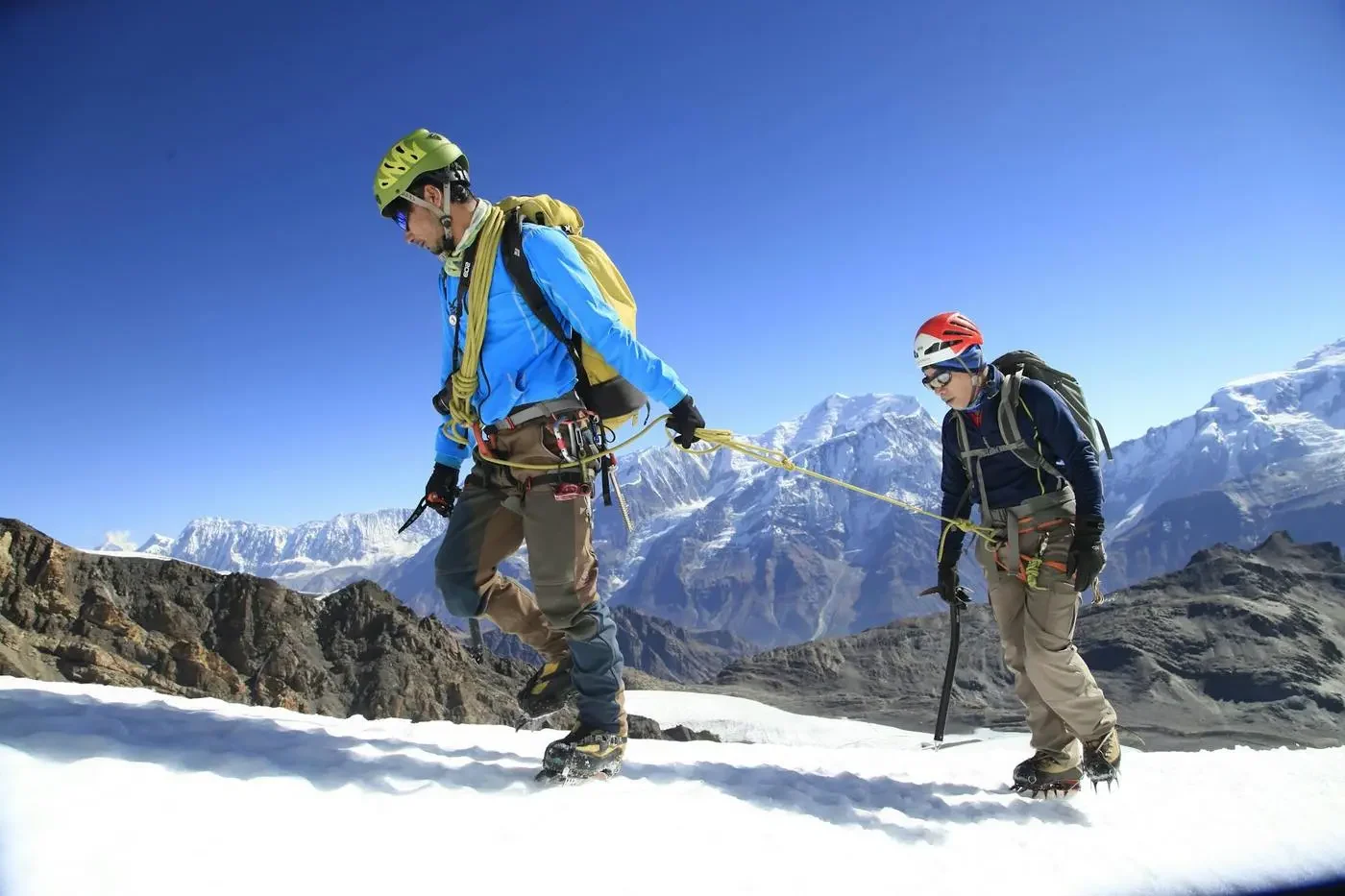
- A proper climbing phase involving crampons, a harness, glacier travel, and typically fixed ropes on a steep headwall before you reach the summit ridge
At Kudos Exped, we design Island Peak as a true “skills + summit” journey—built around smart acclimatization, practical training, and careful decision-making. Island Peak rewards climbers who prepare well, move steadily, and respect altitude more than ego. When approached the right way, it becomes one of the most satisfying and confidence-building climbs in Nepal.
Why Climb Island Peak with Kudos Exped?
Island Peak is widely marketed as a beginner-friendly trekking peak—but the mountain itself is serious. The best Island Peak experience comes from a plan that prioritizes safety, acclimatization, and real skills, not just a fast itinerary.
A climb that teaches you real mountaineering
Island Peak is often described as a training peak in the Everest region because it introduces you to the fundamentals: moving in crampons, staying efficient in cold and thin air, understanding rope systems, and managing energy over a long summit day. With Kudos Exped, the goal isn’t simply to “get you to the top”—it’s to help you climb like a mountaineer, so you carry those skills into future objectives.
The right pacing increases summit success
Island Peak summit attempts often fail for one reason: rushing altitude. We build our approach around steady ascent, acclimatization hikes, and clear turnaround decisions. Strong acclimatization doesn’t just improve safety—it improves enjoyment. You’ll sleep better, eat better, and climb with more control.
Experience the Everest region beyond the checklist
Island Peak is not only about the summit. The approach route brings you into the heart of Sherpa culture and Himalayan Buddhism—prayer flags on ridgelines, ancient monasteries, and villages where hospitality feels real and personal. This cultural depth is part of what makes Island Peak different from “climbing-only” trips elsewhere.
Island Peak Climbing Highlights
Summit a legendary Himalayan trekking peak
Island Peak is one of the most recognized climbing goals in Nepal. Many climbers choose it as their first 6,000m summit because it offers real climbing terrain while remaining achievable with the right preparation. The sense of achievement is genuine: you start in Kathmandu, fly into Lukla, hike through the Khumbu valleys, establish a climbing camp, and then push for a Himalayan summit before descending back into village life.
Train with climbing gear before the summit attempt
A major difference between a “good” Island Peak trip and a stressful one is whether you actually practice the skills before summit day. Most quality programs include pre-climb training at or near base camp (how to use a harness, crampons, ice axe, ascender/jumar, and safe movement on rope). This training turns fear into familiarity—and familiarity turns into safer movement when conditions get cold, windy, or icy.
Cross glacier terrain and climb a fixed-rope headwall
Island Peak’s upper section is where the trek transforms into mountaineering. After the rocky approach, glacier travel begins, and the final headwall is commonly climbed using fixed ropes for the steep ascent to the summit ridge. This is the moment most climbers remember forever: the quiet, the headlamp light, the crunch of crampons, and the realization that you’re doing something truly alpine.
Witness iconic Everest-region giants from a unique angle
Even though the summit view of Everest is partially blocked by Lhotse’s massive wall (as some references note), the overall Himalayan panorama is still extraordinary. You’ll be surrounded by sharp ridgelines and glaciated valleys—an immersive “inside the Himalaya” experience that feels very different from viewing peaks from a lower trekking trail.
A peak with real expedition history
Island Peak has deep roots in Everest-era climbing history. References note that it was used in preparation and training connected to Everest expeditions and early Himalayan mountaineering. That history adds meaning: you’re climbing a mountain that has helped shape how Himalayan climbing developed.
Route Overview
Island Peak is most commonly climbed via the classic Khumbu trail:
- Fly to Lukla
- Trek through the Dudh Koshi valley toward Namche
- Continue to higher villages like Dingboche and Chhukung
- Enter the Imja Valley to reach base camp
- Summit push (base camp or high camp, depending on conditions and plan)
- Descend the same way or with minor variations
Some itineraries also combine Island Peak with an Everest Base Camp acclimatization loop, which is a popular option for clients who want both the EBC experience and a summit goal.
What Summit Day Is Really Like
Island Peak summit day is typically the hardest day of the entire trip—not because it’s the most technical climb in Nepal, but because it combines altitude + cold + long hours + focused movement.
Most climbs begin very early, often between 2 and 3 a.m., according to standard route descriptions. The reason is practical: snow is firmer, wind is often calmer, and you have more daylight buffer for descent.
A typical summit-day progression looks like this:
1) Camp at the glacier entry
You begin on rocky and moraine terrain—uneven footing, slow pace, careful breathing. This is where pacing matters most. Starting too fast can ruin your entire summit attempt. It is a long climb until you reach crampon point. More than 70% climbers give up before reaching the crampon point. If you can make it to the point, your success rate increases upto 80%.
2) Glacier travel
Once you reach the glacier, you switch into mountaineering mode: crampons on, harness adjusted, rope-team discipline if needed depending on conditions. Glacier movement is not a race. It’s about steady steps, efficient breathing, and maintaining safe spacing.
3) The headwall and fixed ropes
Island Peak’s defining feature is the steeper headwall section that often involves fixed ropes for the ascent to the summit ridge. Nearly 70m of strenuous ascent using fixed rope systems. This is where mental control becomes as important as physical fitness. Your job is to move with rhythm: step, breathe, clip, slide, repeat, and most importantly be actively concious how the person ahead is climbing. There are many small incidents of small rockfalls.
4) Summit ridge
The summit ridge can feel exposed and narrow. Conditions vary year to year, but the psychological effect is consistent: you’re finally above the valley, the horizon is huge, and every step feels earned.
5) Descent (often the most dangerous part)
Many first-time climbers think “summit equals success.” In reality, safe descent is where experience matters. Fatigue, warming snow, and focus loss are common risks. Kudos Exped emphasizes the descent as a core part of summit planning, not an afterthought.
Trek Difficulty: Is Island Peak Climbing Hard?
Yes—Island Peak is hard for most people, even strong hikers. It’s not an “extreme technical” climb like Ama Dablam, but it’s absolutely not a casual add-on to trekking either. It’s best described as challenging mountaineering at high altitude.
The real difficulty is altitude
Above 5,000m, everything changes: your pace slows, sleep becomes lighter, and recovery takes longer. Even very fit athletes can struggle if they ascend too quickly or don’t hydrate and eat consistently. Island Peak forces you to respect the physiology of altitude.
The summit day is long and demands concentration
Summit day isn’t just “hard hiking.” It’s hours of movement in cold conditions while wearing mountaineering gear, often in darkness for the first part. You must manage layers, gloves, hydration, and mental focus—while your oxygen is limited.
Fixed ropes and ice movement add a mental challenge
Many climbers feel physically capable but mentally challenged by the steep rope section, especially if it’s their first time using an ascender on a real mountain. That’s why training and practice matter: you don’t want your first time on a rope to be on summit day.
The weather can turn a strong climber into a turnaround
Island Peak sits in a region where wind and storms can build quickly. A safe expedition respects weather windows and uses strict turnaround times. That’s not “being conservative”—that’s how professional guiding keeps climbers alive.
What makes it achievable for well-prepared trekkers
Island Peak becomes realistic when you combine:
- proper acclimatization,
- basic fitness,
- skills practice,
- and a strong guiding structure.
This is exactly why it remains Nepal’s most popular entry mountaineering goal.
Acclimatization: How to Climb Island Peak Smart
Acclimatization is the #1 predictor of success on Island Peak. A climber can be fit and still fail if the body hasn’t adapted to altitude.
A smart acclimatization plan is not “wasted time.”
Many clients want short itineraries. But at altitude, “fast” often becomes “failed.” A well-designed itinerary includes acclimatization hikes and sometimes an extra day because those hours allow your body to increase red blood cell efficiency and improve oxygen use.
“Climb high, sleep low” is your best friend
The safest strategy is to hike to a higher point during the day and sleep lower. This stimulates acclimatization without forcing your body to recover at a dangerously high sleeping altitude.
Key acclimatization zones in the Khumbu
- Namche Bazaar: ideal first acclimatization hub
- Dingboche / Chhukung area: critical zone before you commit to climbing camp and summit push
If you’ve ever seen people “feel amazing” in Namche and then crash later, this is why: altitude effects are cumulative. A smart plan prevents that crash.
Know the symptoms you must respect
Mild headache can happen, but worsening symptoms are a warning. If someone experiences increasing headache, nausea, vomiting, confusion, or breathlessness at rest, the correct response is to stop ascending and consider descent. High-altitude illness is not a mindset problem—it’s a medical reality.
Hydration and fueling are part of acclimatization
At altitude, your body dehydrates faster due to dry air and increased respiration. Dehydration worsens altitude symptoms and fatigue. Eating enough (especially carbs) is equally important because your body burns fuel quickly in cold, thin air.
Best Time to Climb Island Peak
Island Peak is climbed in multiple seasons, but the two best windows are spring and autumn. Many commercial programs highlight April–May and October–November as prime months.
Spring (March–May)
Spring is popular because temperatures are generally warmer than autumn at the same altitude, and the snow conditions can be more supportive for cramponing and fixed rope movement. The Everest region becomes lively in spring, which can be a positive for logistics and lodge availability—though it also means more trekkers.
Spring is ideal if you want:
- a higher chance of comfortable summit temperatures (still cold, but manageable),
- stable mornings,
- and strong overall trip energy in the Khumbu.
Autumn (late September–November)
Autumn is famous for crisp visibility and stable post-monsoon weather patterns. October, in particular, is often one of the clearest months for big mountain views. However, nights can be colder than spring, especially at base camp or high camp.
Autumn is ideal if you want:
- sharp, clean Himalayan views,
- drier trekking trails,
- and stable weather windows.
Winter and monsoon considerations
Winter climbs exist, but are colder and more demanding. Monsoon season increases cloud cover and flight disruption risks. For most clients, spring and autumn remain the best balance of safety, summit chance, and overall comfort.
Permits for Island Peak Climbing (What You Actually Need)
Island Peak involves both trekking access and a climbing permit system.
Sagarmatha National Park Entry Fee
Nepal Tourism Board publishes national park entry fees and lists Sagarmatha National Park permit rates under its official park fee information.
Khumbu Pasang Lhamu Rural Municipality Trek Card
The municipality issues a Trek-Card system for trekkers entering the Khumbu region. The official rural municipality site provides Trek-Card information.
Island Peak Climbing Permit
Island Peak is an NMA trekking peak, so climbers typically require an NMA-issued climbing permit in addition to trekking permits. Exact pricing can vary by season and policy updates, so Kudos Exped handles the latest permit processing and ensures compliance as part of trip operations.
Accommodation: Teahouses and Climbing Camp
Island Peak is not one single-style trip—it shifts as you go higher.
Teahouse trekking experience
Most of the approach is teahouse trekking. That means you stay in mountain lodges with simple rooms and communal dining spaces. Teahouses are part of the Everest experience: warm meals, friendly conversations, and the steady rhythm of village-to-village travel. It’s comfortable enough for most trekkers, but still authentically Himalayan.
Base camp / high camp (tented)
For the climb phase, teams usually shift to a tented camp at Island Peak Base Camp (and sometimes a high camp). This is where expedition life begins: early wakeups, gear checks, training sessions, and that exciting pre-summit atmosphere that teahouse treks don’t have.
Food and Hydration on Island Peak
Food can make or break your climb—not because you need fancy nutrition, but because you need consistent energy at altitude.
On trekking days
Teahouses serve the standard Everest-region menu: dal bhat, soups, noodles, rice dishes, potatoes, eggs, porridge, pancakes, and tea. The best approach is simple: prioritize warm, cooked meals, and avoid risky raw foods at high elevation.
On climbing days
Your body burns more calories in cold and altitude. Climbing fuel should be easy to eat: warm drinks, soups, simple carbs, and snacks you already trust. Hydration is critical: high-altitude air dries you out quickly, and dehydration increases fatigue and headache risk.
Kudos Exped encourages clients to treat hydration like a schedule, not like thirst—because at altitude, thirst cues become unreliable.
How to train for Island Peak climbing
Fitness goals that matter most
Island Peak doesn’t require elite athletic performance—but it does require endurance and consistency. The most important fitness abilities are:
- walking uphill steadily for hours without redlining,
- recovering overnight and repeating effort,
- and staying stable on descents (knee and ankle durability).
A realistic 8–10 week training approach
- 2–3 cardio sessions/week: hiking, running, cycling, stair training (steady pace)
- 2 strength sessions/week: squats, lunges, step-ups, deadlifts, core stability
- 1 long hike/week: ideally with elevation gain and a loaded daypack
- Mobility work: hips, ankles, calves (helps prevent injury on descents)
Skills that increase summit confidence
If you can practice even once before Nepal, do it. If not, choose a program (like ours) that includes skills training at base camp. Key skills include:
- crampon walking technique,
- safe use of harness and carabiners,
- ascender/jumar movement on fixed ropes,
- layering and glove management in cold.
Safety Considerations and Risk Reality
Island Peak is popular, but it’s not “risk-free.” The mountain has real objective hazards.
Wikipedia describes a headwall crevasse that has historically caused teams to turn back and notes that ladder/stair solutions have been used in some seasons. That detail matters because it shows a truth about Himalayan climbing: conditions change. What was straightforward last year might be different this year.
Kudos Exped approaches Island Peak safety through:
- conservative pacing and acclimatization strategy,
- clear turnaround times,
- structured training before summit day,
- and decision-making based on weather and team condition—not summit obsession.
Success is not reaching the top at any cost. Success is returning safely with a summit attempt you can be proud of.
FAQs
Is Island Peak good for beginners?
Island Peak can be a suitable first Himalayan climb for beginners who are fit, coachable, and willing to follow acclimatization and training. It’s still challenging and involves glacier travel and fixed rope movement.
Do I need technical climbing experience?
Not necessarily—but you should be comfortable hiking long days and learning new systems. Most guided trips include training at base camp.
What is the hardest part of Island Peak?
For most climbers, the hardest part is a combination of altitude and the steep rope section on summit day. The physical part is manageable with pacing; the mental part becomes manageable with training.
How cold is the Island Peak summit day?
Temperatures can drop far below freezing before sunrise, and wind can make it feel much colder. Proper layering and glove management matter as much as fitness.
Is Island Peak dangerous?
It’s a serious mountain environment. With professional guiding, correct acclimatization, and conservative decisions, it is commonly climbed safely—but you must respect altitude, weather, and glacier conditions.
Conclusion
Island Peak Climbing (Imja Tse) is the perfect next step for trekkers who want more than a trail—who want to experience the discipline and satisfaction of real mountaineering in the Everest region. From the moment you fly into Lukla and begin climbing through Sherpa villages and alpine valleys, the journey builds toward a summit day that feels unmistakably Himalayan: early darkness, crampons on ice, rope systems on steep snow, and a summit ridge that reminds you why climbers fall in love with mountains in the first place.
At Kudos Exped, we treat Island Peak not as a rushed checklist climb, but as a structured mountain experience—one that emphasizes acclimatization, skill-building, and safe decision-making so your summit attempt is not only possible, but meaningful. Island Peak is challenging, yes—but with the right preparation and the right team, it becomes one of Nepal’s most rewarding achievements for aspiring Himalayan climbers.
Standard Island Peak Exped 6165m Itinerary
Things Included in Trip cost
Things Not Included in Trip cost
Island Peak Exped 6165m Trek MAP
Book Now
💬 Talk to Ang on WhatsApp
Join fixed Departure with Ang
Departing Dates
and Price
Availability
1 April, 2026 - 18 April, 2026
$ 2400
1
Must Know Before your Trip
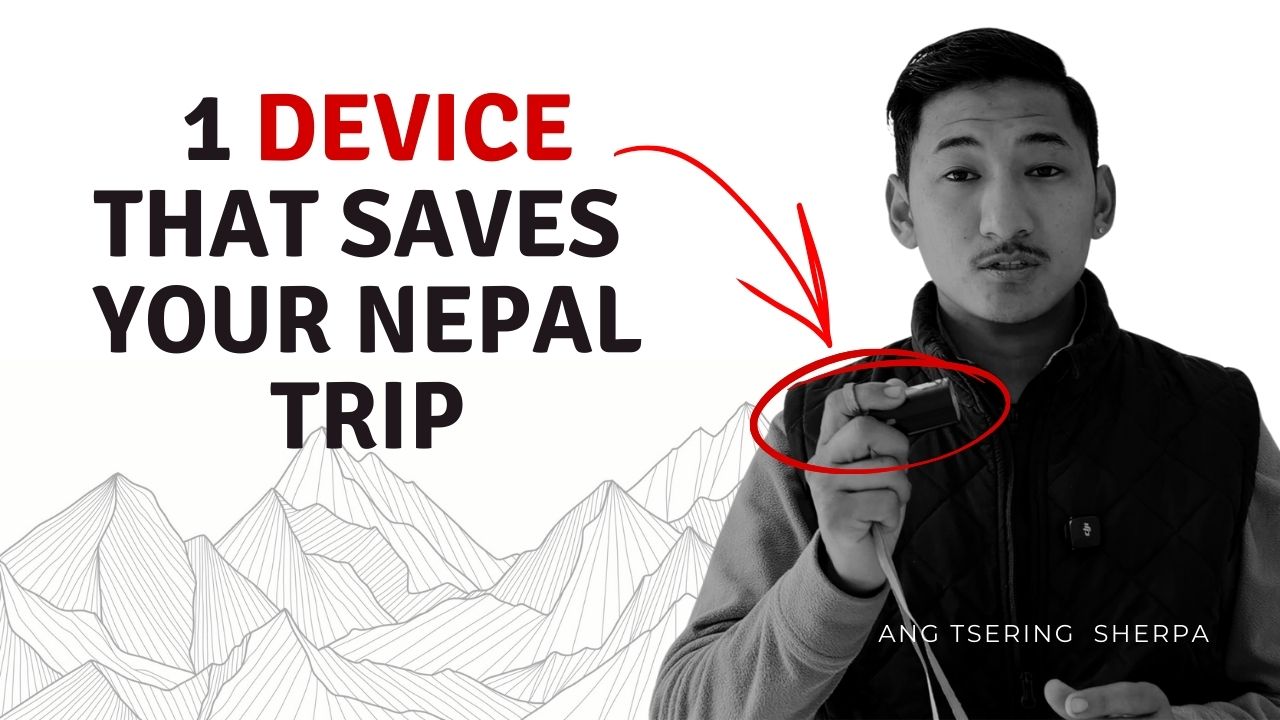
Why Every High-Altitude Trekker Needs These Two Life-Saving Tools (And How to Use Them Properly)
Acclimatiation Process to make your trip successful
Why Trekkers Fail to Reach the Final Point in Nepal
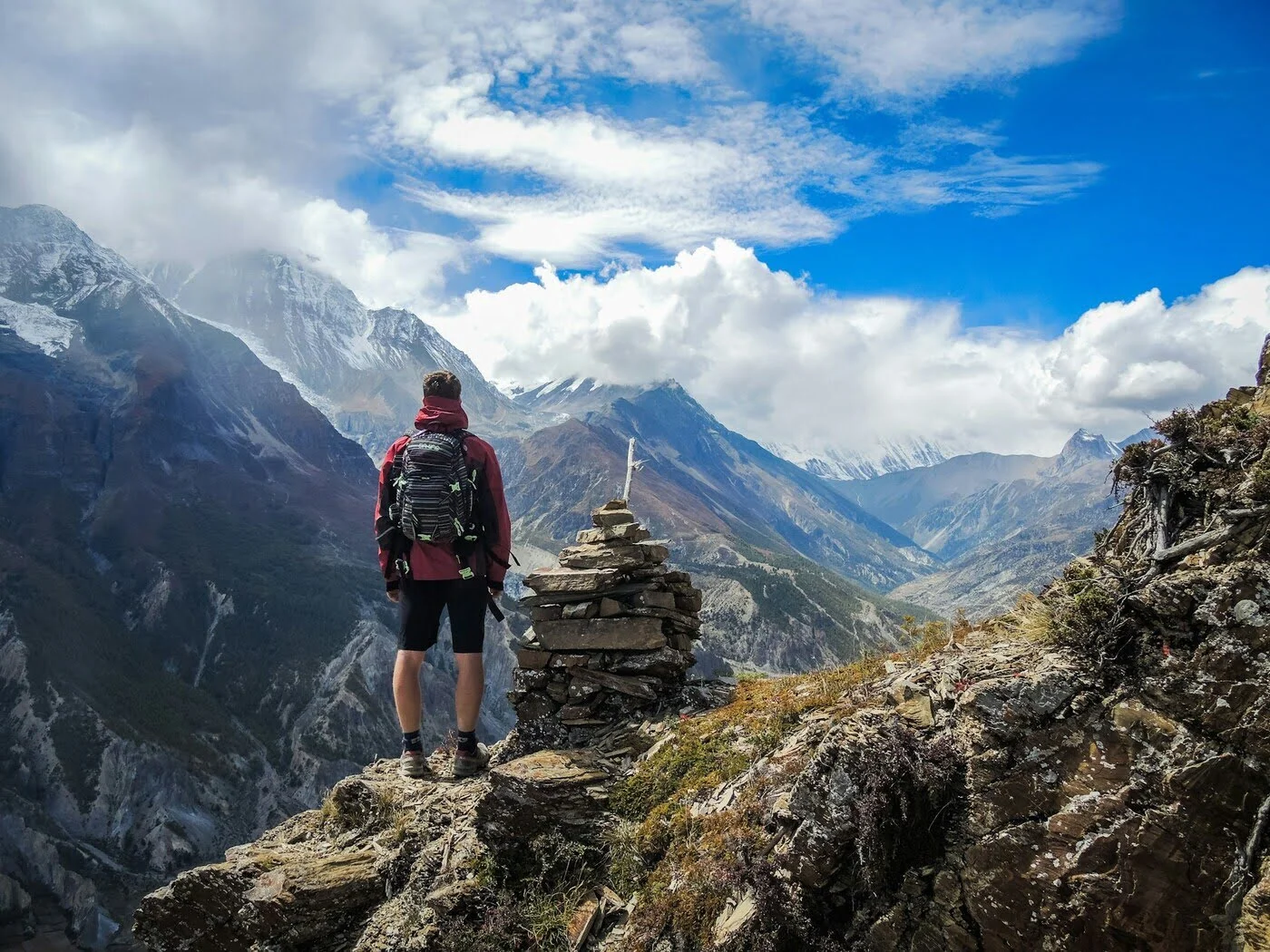
Nepal Visa Information 2025: Complete Guide for Trekkers & Travelers