Altitude Sickness on the Everest Trek: What You Actually Need to Know
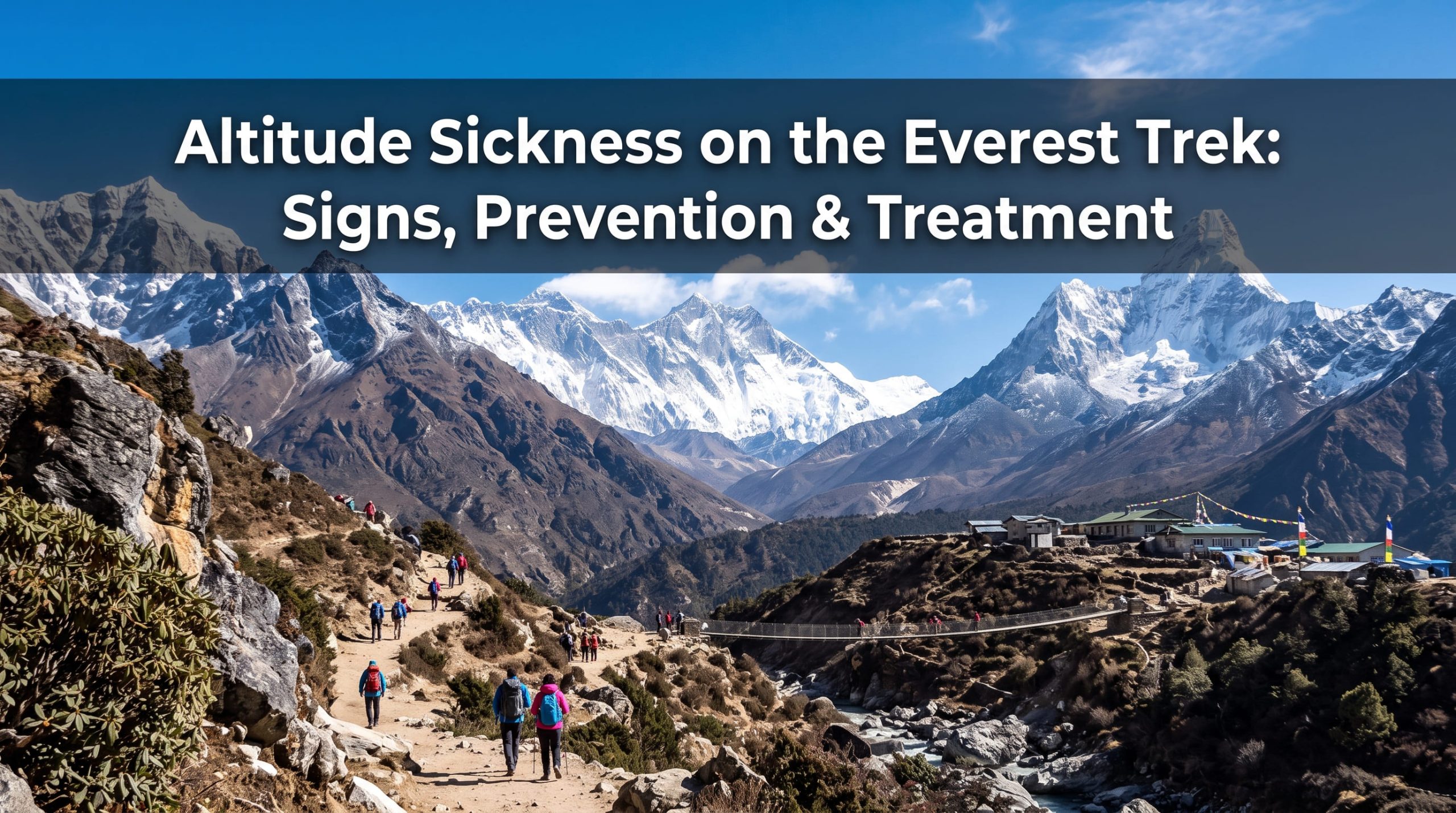
Most people focus on the cold or the distance when planning an Everest Base Camp trek. The physical strain is obvious. The real hurdle is invisible. It’s the air. Or rather, the lack of it.
Once you fly into Lukla at 2,860 meters, the oxygen levels are already dropping. By the time you reach Base Camp, you’re breathing roughly half the oxygen you would at sea level. Your body will react. That’s completely normal. The trick is knowing the difference between normal adaptation and actual altitude sickness. How you handle that difference dictates whether you make it to the base of the world’s highest mountain or find yourself turning back early.
Here is what you actually need to know before hitting the trail.
What it feels like (The Signs)
Acute Mountain Sickness (AMS) basically feels like a bad hangover. You might wake up in your teahouse in Tengboche with a pulsing headache. You look at a plate of dal bhat and realize you have absolutely no appetite. Mild nausea, dizziness, and a frustrating inability to fall asleep are all classic signs.
If you feel this way, tell your guide immediately. Trekkers often try to hide their symptoms because they don’t want to ruin the trip for their group. That is how a mild headache turns into a medical emergency. Our guides at Kudos Expeditions know what to look for, but they aren’t mind readers. Speak up.
Things get dangerous when AMS progresses into HACE (High Altitude Cerebral Edema, or brain swelling) or HAPE (High Altitude Pulmonary Edema, fluid in the lungs). You lose your balance and can’t walk a straight line. You’re gasping for breath even when sitting completely still. A severe, relentless cough that brings up pink froth means you are in immediate danger.
How to avoid it (Prevention)
The Sherpa guides have a saying you’ll hear a hundred times a day: bistari, bistari. Slowly, slowly.
You aren’t racing anyone. Walk much slower than you think you need to. Overexerting yourself on the lower trails guarantees you will struggle higher up. Let the yaks and porters pass you. Take your time.
We build acclimatization days into our itineraries for a reason. You’ll spend an extra night in Namche Bazaar and another in Dingboche. These aren’t rest days. You will hike high up a nearby ridge, let your body taste the thinner air for a few hours, and then drop back down to sleep low. It forces your body to produce more red blood cells.
Water is your best friend up here. The dry mountain air strips moisture from your lungs with every breath. You need to drink three to four liters a day. You will have to pee constantly. Get used to it. Skip the celebratory Everest beer until you are safely on your way back down. Alcohol masks AMS symptoms and dehydrates you fast.
Many trekkers choose to take Diamox (Acetazolamide) as a preventative measure. It speeds up your breathing and helps you acclimatize. Talk to your doctor before you fly to Nepal about getting a prescription. It makes your fingers and toes tingle, but it works.
What to do when it hits (Treatment)
If you have a mild headache, take some Ibuprofen. Rest. Drink a liter of water and wait to see if it clears up.
Never go higher if you have symptoms. That is the golden rule of high-altitude trekking. Wait it out where you are.
If you feel worse, or if those severe HACE or HAPE signs show up, there is only one cure. You have to descend. Dropping just 300 to 500 meters in elevation can make a massive difference in how you feel. You go down immediately, even if it’s the middle of the night. Do not wait for sunrise. Your guide will arrange the logistics and get you to a lower elevation safely.
Everest Base Camp is a tough trek. It demands respect. Keep a steady pace, drink plenty water, and listen to your body.
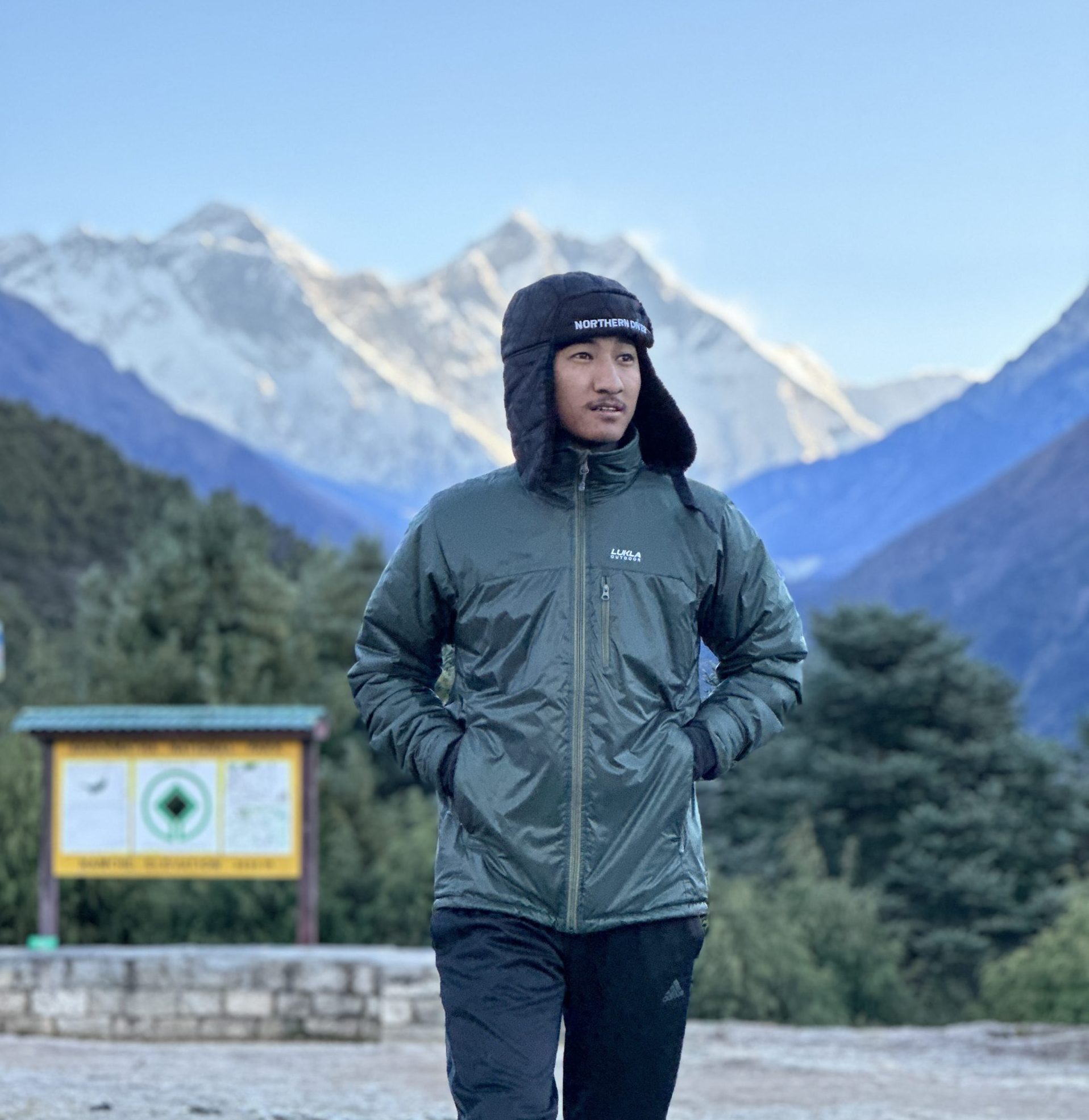
Hello, I'm Ang Tsering Sherpa. For the past 26 years, I've been immersed in the tourism industry, following a path shared by generations of my Sherpa family. With pride, dedication, and a deep-rooted passion, we Sherpas have dedicated ourselves to leading travelers along Nepal’s trails and mountains.
Know More