Everest Base Camp Trek: The Complete 2026 Planning Guide
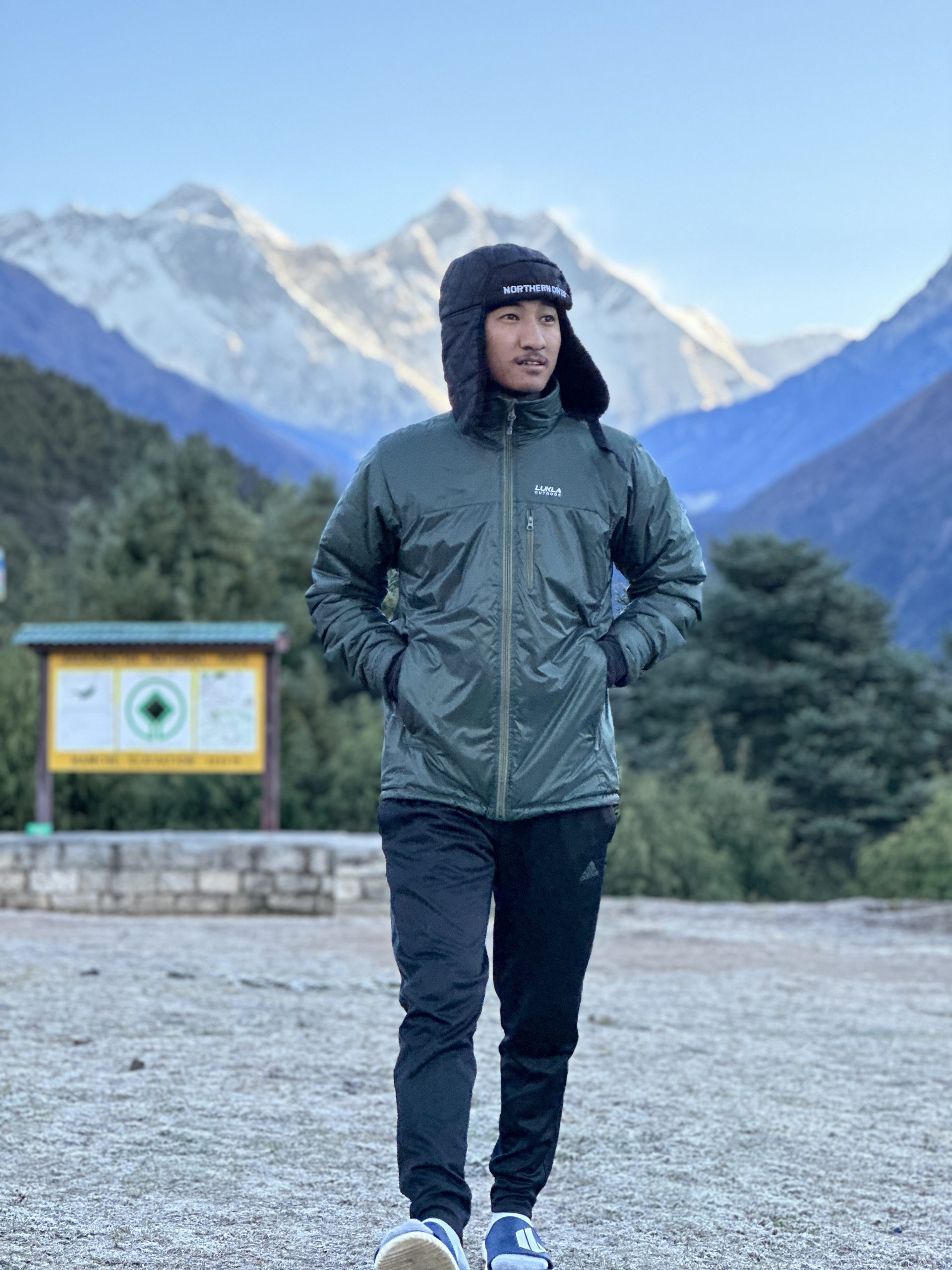
I’m Ang Tsering Sherpa. For the past 13 years, I’ve been immersed in the tourism industry, following a path shared by generations of my Sherpa family. With pride, dedication, and a deep-rooted passion, we Sherpas have dedicated ourselves to leading travelers along Nepal’s trails and mountains.Since 2017, I’ve actively worked as a trekking guide, and in 2019, I began my Mountaineering Journey. Within these 7 Years into the Himalayas, I got the opportunity to lead almost all the trekking Trails of Nepal and numerous 6000m & 7000m expeditions.
This guide isn’t written from a desk. It’s written from the trail, based on what I actually tell my trekkers before, during, and after every season. If you’re planning your Everest Base Camp trek for 2026, I want to walk you through it the way I would a client sitting across from me in our Kathmandu office, cup of tea in hand, maps spread out on the table.
What’s Changed for the 2026 Season
The biggest shift for anyone planning this trek now is the guide requirement. Since 2023, Nepal’s government has required all trekkers on routes like ours to hire a licensed guide — no more independent trekkers wandering up with just a map and a prayer. I’ll be honest with you: some of the old-timers in this business grumbled about the rule at first. But I’ve pulled enough exhausted, disoriented trekkers off this trail over the years to tell you it’s made a real difference. Rescue numbers are down. People make smarter decisions about pace and acclimatization when someone who knows the mountain is walking beside them.
The other change worth knowing about is the Lukla flight situation. During the busiest weeks of spring and autumn, flights now route through Ramechhap airport instead of Kathmandu, which means a four-hour drive before you even see a runway. It adds a long, early morning to your trip, and I won’t pretend it’s my favorite part of the itinerary. But it’s become routine, and any operator worth hiring will have this built into your schedule without it catching you off guard.
Teahouses keep improving too. When I was a boy, “hot shower” meant a bucket someone heated over a fire. Now most lodges above Namche have solar systems, and a fair number offer Wi-Fi, for a price that gets steeper the higher you climb. I always tell my trekkers: enjoy it, but don’t expect Kathmandu-speed internet at 5,000 meters.
The Route, As I Know It
You’ll fly into Lukla — 2,860 meters, a runway that ends in a mountainside, and yes, it’s as dramatic as the videos make it look. From there we walk. No roads reach this part of the Khumbu, and I hope they never do.
The first days take you along the Dudh Koshi river, through Phakding and up into Namche Bazaar, which I still think of as the heart of Sherpa life even though I now live partly in Kathmandu. Namche sits in a natural amphitheater in the hillside, and it’s where most trekkers get their first real glimpse of what altitude feels like.
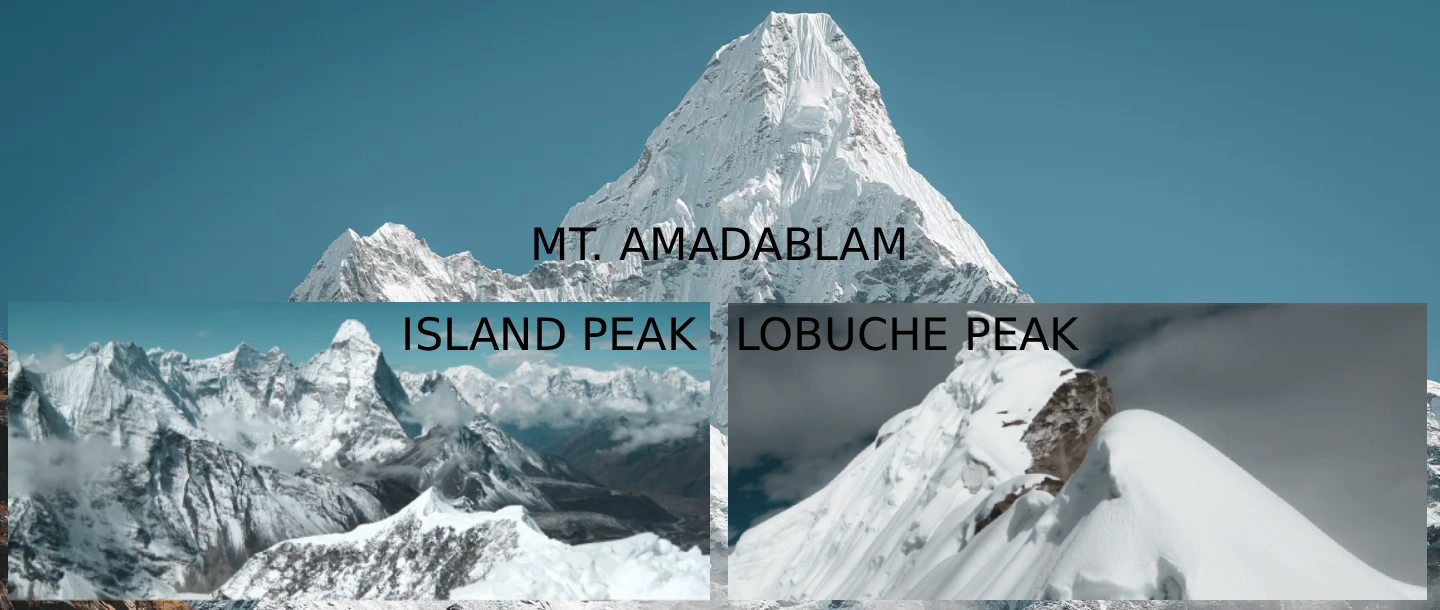
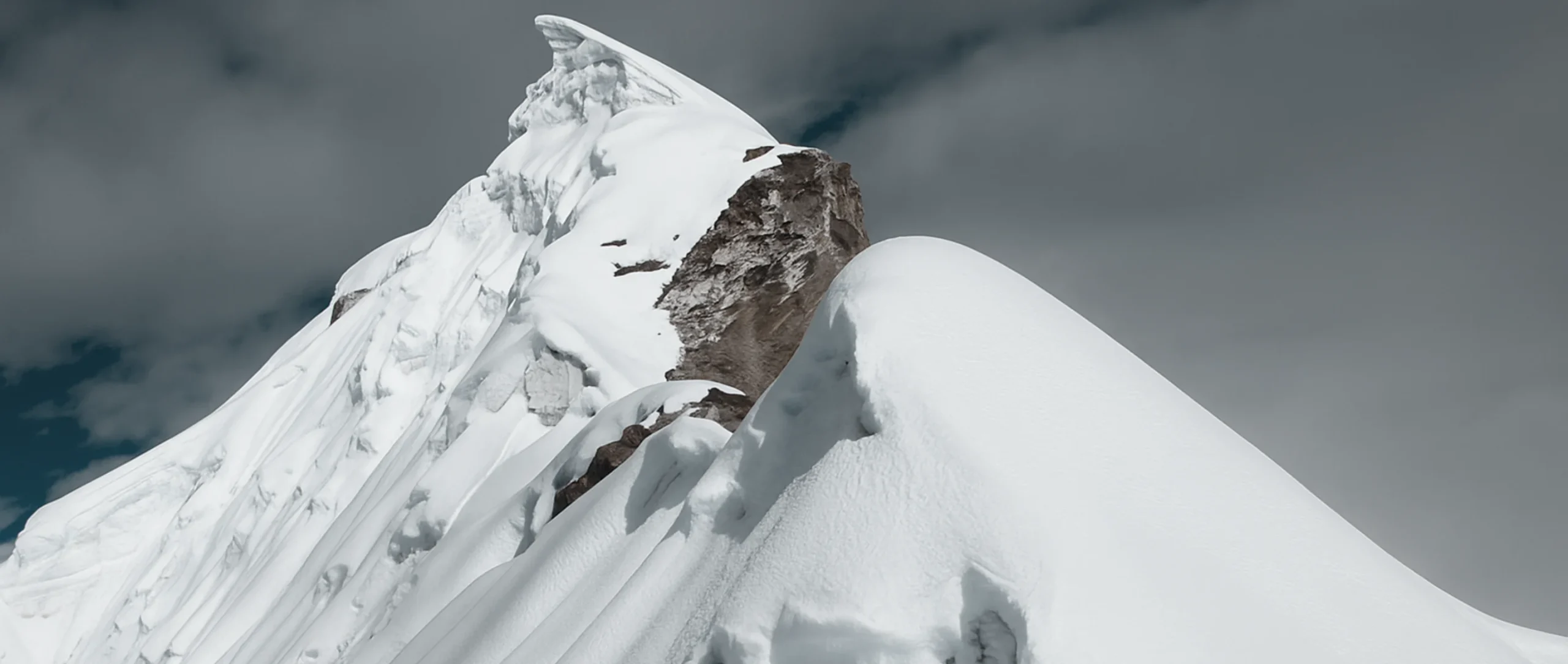
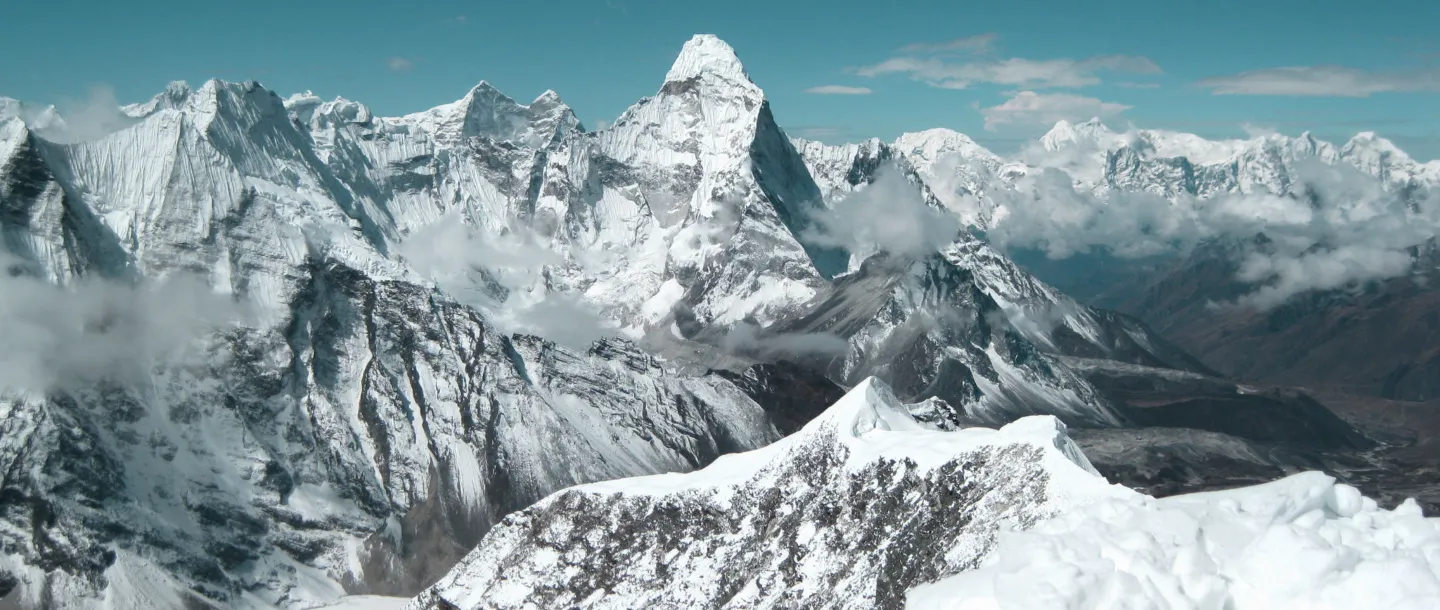
From Namche we climb to Tengboche, where the monastery sits with Ama Dablam rising directly behind it — I’ve brought hundreds of trekkers to that spot, and I’ve never once had someone walk past without stopping to just look. Then on through Dingboche, Lobuche, and finally Gorak Shep, the last cluster of lodges before Base Camp itself.
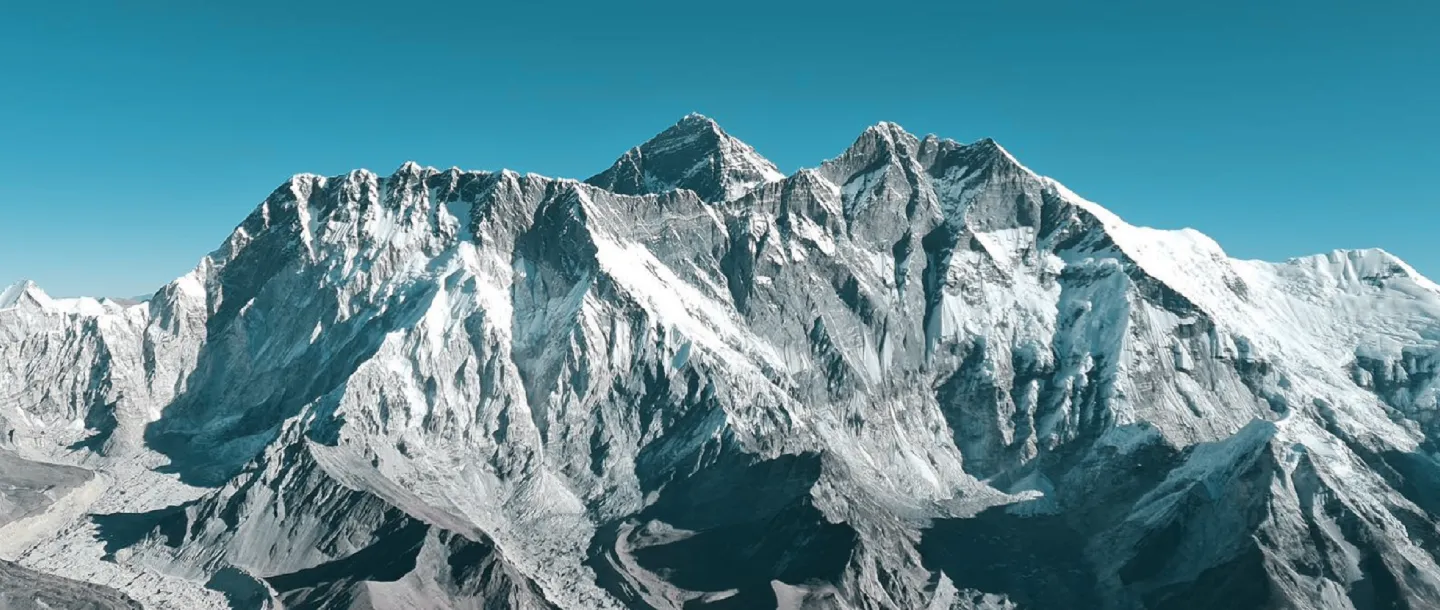
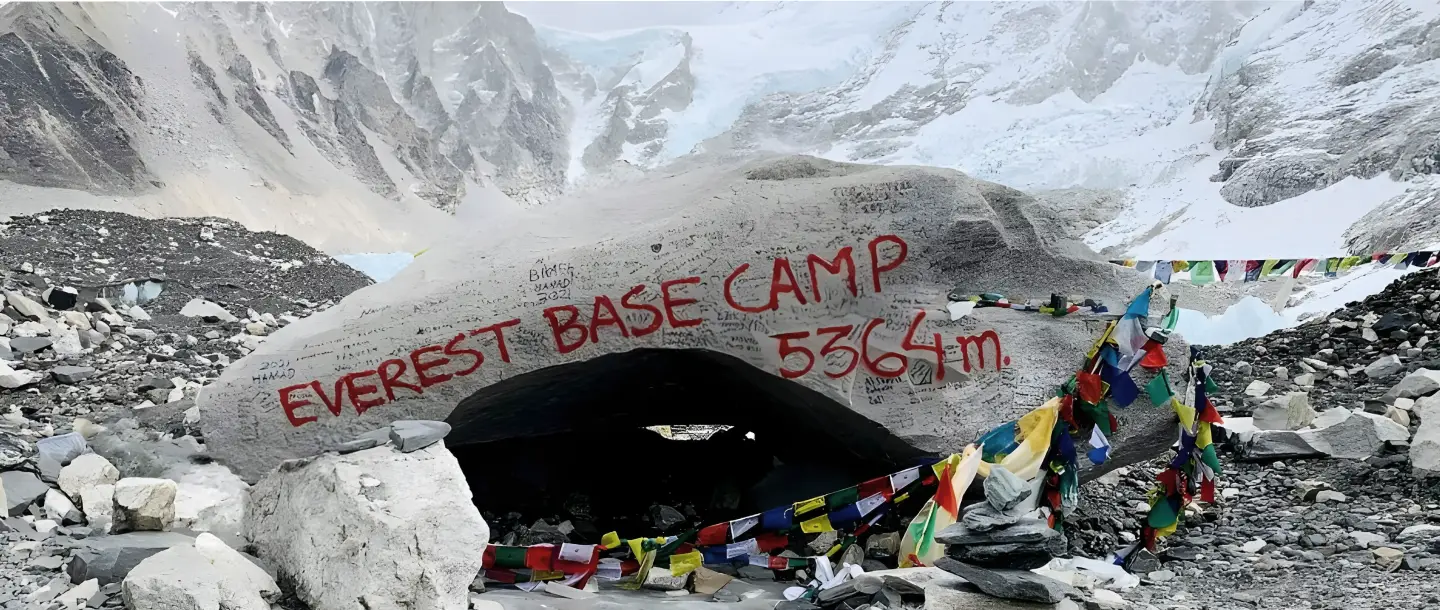
I want to clear up something I hear constantly: you do not see Everest’s summit from Base Camp. The mountain hides its own peak from that angle — it’s the Khumbu Icefall and the surrounding ridges you’ll be looking at, and honestly, that view has its own kind of power. If you want Everest’s summit in your photos, that’s Kala Patthar, a viewpoint above Gorak Shep at 5,545 meters. We usually climb it before sunrise, in the dark and the cold, and it’s worth every uncomfortable minute.
When I Tell People to Go
After twenty seasons on this trail, I have opinions, and I’ll share them.
Spring, March through May, is beautiful lower down — the rhododendrons bloom in shades of red and pink that genuinely stop people mid-step. It’s also expedition season, so you’ll likely pass climbers and their gear heading up toward Base Camp for actual summit attempts, which adds a certain energy to the trail. By late May, though, the skies start to haze up before monsoon arrives.
Autumn, late September through November, is what I usually recommend if someone asks me to just pick one. The air is clean, the mountain views are about as sharp as they get, and the weather tends to be stable. The trade-off is crowds — teahouses fill fast, and if you’re not booked well ahead, you might not get your first choice of lodge in the busier villages.
Winter is quiet, and I mean genuinely quiet — some years I’ve had the trail almost to myself above Dingboche. But the cold is serious, not “bring an extra sweater” cold. Some high lodges close entirely. I only recommend winter to trekkers who already have cold-weather experience.
Monsoon, June through early September, I generally steer people away from. Lukla flights get grounded by cloud, the lower trail gets muddy and leech-prone, and you’ll spend a lot of your trip staring at cloud instead of mountains.
If pressed, I’d say early-to-mid October or April. That’s when I book my own favorite treks of the year.
A 16-Day Itinerary That Actually Works
I’ve adjusted this schedule over many seasons based on where trekkers tend to struggle:
- Day 1: Arrival in Kathmandu (1,300 m / 4,265 ft)
- Day 2: Fly to Lukla (2,860 m / 9,383 ft) and Trek to Phakding (2,651 m / 8,697 ft)
- Day 3: Trek from Phakding (2,651 m / 8,697 ft) to Namche Bazaar (3,440 m / 11,286 ft)
- Day 4: Acclimatization Day in Namche Bazaar (3,440 m / 11,286 ft)
- Day 5: Trek from Namche Bazaar (3,440 m / 11,286 ft) to Pangboche (3,956 m / 12,979 ft)
- Day 6: Trek from Tengboche (3,956 m / 12,979 ft) to Dingboche (4,380 m / 14,370 ft)
- Day 7: Acclimatization Day in Dingboche (4,380 m / 14,370 ft)
- Day 8: Trek from Dingboche (4,380 m / 14,370 ft) to Lobuche (4,938 m / 16,200 ft)
- Day 9: Trek from Lobuche (4,938 m / 16,200 ft) to Gorakshep (5,160 m / 16,929 ft) and Hike to Kala Patthar (5,545 m / 18,192 ft)
- Day 10: Trek to Everest Base Camp (5,364 m / 17,598 ft) and Descend to Somarey (3,956 m / 12,979 ft)
- Day 11: Trek from Somarey (3,956 m / 12,979 ft) to Phungi Tanga (3,250 m / 10,663ft)
- Day 12: Trek from Phungi Tanga (3,440 m / 11,286 ft) to Phakding (2,651 m / 8,697 ft)
- Day 13: Trek from Phakding (2,651 m / 8,697 ft) to Lukla (2,860 m / 9,383 ft)
- Day 14: Fly from Lukla (2,860 m / 9,383 ft) back to Kathmandu (1,300 m / 4,265 ft)
- Day 15: Free Day in Kathmandu (Contingency / Buffer Day)
- Day 16: Final Departure
Those two acclimatization days aren’t padding. I’ve watched cheaper itineraries skip them to save a day, and I’ve watched the consequences — trekkers turning back at Dingboche or Lobuche who might have made it with proper pacing. I don’t compromise on this, and I’d encourage you not to book with an operator who does.
Permits — What You’ll Actually Need
For 2026, you need two permits to walk this route:
- Sagarmatha National Park Entry Permit — this is our national park, a UNESCO World Heritage Site, and the fee is around USD 30 per person, though it’s adjusted periodically.
- Khumbu Pasang Lhamu Rural Municipality Entry Permit — a local permit specific to our region, replacing the old TIMS card, running around USD 20 per person.
And, as I mentioned, a licensed guide is now mandatory. A good operator handles all of this paperwork before you land — one less thing for you to think about while you’re focused on your boots and your training.
How Hard Is This Trek, Truly?
People imagine they need to be athletes. Most don’t. What you need is patience, and a willingness to walk slowly even when your body wants to move faster.
Most days involve five to seven hours of walking on trails that are well-worn but uneven — steady climbing and descending, rocky in places, but no technical climbing, no ropes, no ice axes. That’s a different trip entirely, reserved for those attempting the summit itself.
What makes this trek hard is the altitude, plain and simple. At Base Camp, you’re breathing roughly half the oxygen you’d get at sea level. I’ve guided marathon runners who struggled badly above 4,000 meters, and I’ve guided grandmothers in their sixties who reached Kala Patthar with energy to spare, because they respected the pace and didn’t rush. Altitude doesn’t care about your gym membership.
That said, arriving in reasonable shape makes the whole experience more enjoyable, not just more survivable. In the months before your trip, I tell people: walk hills with a loaded pack, climb stairs, get your legs and your lungs used to sustained effort. If you can manage a few multi-day hikes beforehand, even better.
Altitude Sickness: What I Watch For
I’ve seen Acute Mountain Sickness affect trekkers of every age and fitness level — it has very little to do with how strong you are and everything to do with how your particular body handles reduced oxygen. Mild symptoms — headache, nausea, poor appetite, restless sleep — are extremely common above 3,000 meters, and I see them in most groups at some point. Usually, rest and proper acclimatization settle things down within a day.
What worries me as a guide is when symptoms get worse instead of better — confusion, real loss of coordination, a cough that won’t quit, breathlessness even while resting. These can signal HAPE or HACE, and when I see those signs, we descend immediately, no debate, no “let’s wait and see.” I’ve made that call more than once, and I’ve never regretted it, even when a disappointed trekker argued with me in the moment.
A few habits I drill into every group: drink more water than feels necessary, because dehydration makes altitude symptoms worse. Walk slowly — slower than feels natural, especially on the first days above 3,000 meters. Follow “climb high, sleep low” on our acclimatization days. And skip the alcohol until you’re back down in Kathmandu celebrating. Some trekkers talk to their doctor beforehand about preventive medication like acetazolamide — that’s a conversation to have with a physician who knows your health history, not something to decide based on what another trekker tells you on the trail.
I also tell every client: get insurance that specifically covers high-altitude trekking and helicopter evacuation. I’ve had to arrange evacuations before, and the trekkers grateful for proper coverage were, without exception, the ones who’d read their policy carefully beforehand.
What This Trek Costs
Prices vary by operator and season, but here’s roughly what I’d expect for 2026:
- Guided package trips (permits, guide, porter, Lukla flights, teahouse stays) typically run USD 1,200 to USD 2,500, depending on group size and inclusions.
- International flights to Kathmandu are separate and vary by your departure point and season.
- Lukla flights round trip generally add USD 350–400 if not already bundled in.
- Teahouse rooms, if not included, run USD 5–15 a night — often nearly free if you eat your meals there, which is the local custom and one I’d encourage you to follow.
- Meals on the trail run higher than people expect, since everything is carried up by porter or yak — budget USD 25–35 a day.
- Tipping guides and porters is customary here, and genuinely appreciated — I’d budget USD 200–300 total per trekker.
- Extras like Wi-Fi, hot showers, and bottled water add up fast. Bring a water filter or purification tablets — it saves money and keeps plastic bottles off our mountain, which matters more to me than most tourists realize.
I’ll say this plainly: don’t shop purely on price. I’ve seen budget operators cut corners on guide experience and insurance for their staff, and those are exactly the areas where quality protects you when something goes wrong.
What to Pack
I watch trekkers arrive in Lukla with duffel bags so overstuffed the porters can barely lift them. Please don’t be that person. Porters carry a weight limit — usually around 12–15kg per two trekkers — so pack with intention.
Clothing (layers, always layers):
- Moisture-wicking base layers, lightweight and mid-weight
- Fleece or down mid-layer
- A proper down jacket for evenings and higher camps
- Waterproof, windproof shell jacket and pants
- Breathable trekking trousers
- Thermal underwear for the colder nights up high
- Warm hat, sun hat, and a buff or neck gaiter
- Liner gloves plus insulated outer gloves
- Four or five pairs of good trekking socks, with liner socks to prevent blisters
Footwear:
- Broken-in, waterproof trekking boots — I’ve seen too many blisters from brand-new boots straight out of the box
- Comfortable camp shoes for evenings at the lodge
Gear:
- A four-season sleeping bag, rated to at least -15°C
- Trekking poles — your knees will thank you on the way down
- A headlamp with spare batteries, essential for the pre-dawn Kala Patthar climb
- A daypack, around 30–35 liters
- A duffel for your porter to carry
- Water purification tablets or a filter
- Sunglasses with strong UV protection — the glare off the snow at altitude is intense
- High-SPF sunscreen and lip balm
Health and personal items:
- A basic first-aid kit with blister treatment and any personal prescriptions
- Hand sanitizer and wet wipes — showers become rare the higher you go
- Any altitude medication discussed with your doctor beforehand
- A few snacks from home for the days when dal bhat loses its charm
You don’t need everything sorted before you land. Thamel in Kathmandu has gear shops on nearly every corner, genuine and imitation brands both, at prices well below what you’d pay at home. I still send my own trekkers there for last-minute items.
Where You’ll Sleep and Eat
This isn’t a camping expedition — you’ll stay in teahouses the whole way, family-run lodges that have hosted trekkers for generations, some run by families I’ve known my whole life. Rooms are simple: twin beds, thin walls, and a shared bathroom that turns squat-style the higher you climb. Bring a sleeping bag liner even with a good down bag; blankets on the trail aren’t always freshly washed.
Food is simple and satisfying. Dal bhat — rice, lentil soup, vegetable curry — is what I eat myself on the trail, and there’s a reason it’s the trekker’s staple: it’s filling, it travels well as ingredients, and most lodges offer free refills. You’ll also find fried rice, noodles, momos, and at lower elevations, attempts at pizza that I’d call ambitious. Menus shrink and prices rise the higher you climb, since everything above Namche arrives on someone’s back or a yak’s.
One piece of advice I give every group: avoid meat above Namche. It travels for days without real refrigeration, and I’ve simply seen better outcomes — for stomachs and for trips — when people stick to vegetarian meals once we’re a few days in.
Choosing Who You Trek With
Since the guide requirement came into effect, this decision matters more than ever, and I’d encourage you to ask direct questions before booking:
- Is the guide actually licensed through the Nepal Tourism Board, not just claimed to be?
- What’s their real altitude and rescue experience — not just years in the business, but time actually spent managing AMS symptoms on the trail?
- How large is the group? Smaller groups move at a more flexible pace, which matters enormously for acclimatization.
- What’s the evacuation protocol if someone shows serious symptoms? A guide should never hesitate to call for descent.
- Is the pricing transparent? You should know exactly what’s covered and what you’ll pay for separately once you’re on the trail.
I run these treks myself through Kudos Expeditions, and it’s genuinely how I spend my working life — building schedules around proper acclimatization, walking with guides who grew up in these same villages I did, and refusing to compress a trip into fewer days just because it looks better on a price list. If you’re planning for 2026, reach out early. Good guides and good teahouse space during peak weeks fill up faster every year, and I’d rather plan your trek properly than rush it together in March.
Questions I Get Asked Most
Do I need previous trekking experience? No technical climbing skill is required. Some hiking background helps you judge your own pace, but I’ve guided plenty of successful first-timers.
Can I trek without a guide in 2026? No — since 2023, a licensed guide is required for this route under Nepal’s regulations.
How cold does it actually get? Daytime temperatures in peak season are often manageable, 5°C to 15°C. Nights are a different story — expect below freezing regularly, and -15°C or colder at Gorak Shep and Base Camp in shoulder season.
Do I really need travel insurance? Yes, and specifically insurance covering high-altitude trekking and helicopter evacuation. I’ve seen standard policies exclude coverage above certain elevations — exactly where you’d need it most.
What’s the realistic success rate? Among trekkers who follow a properly paced, well-acclimatized itinerary, most reach Base Camp. It’s the rushed itineraries, cutting acclimatization days, where I see the most people turn back.
A Final Word, From Me to You
I’ve walked this trail more times than I can count, and it has never once felt routine to me. Every season the mountain looks different — sometimes sharp and close, sometimes wrapped in cloud for days before revealing itself all at once. I think that’s part of why people keep coming back, myself included.
This trek isn’t about conquering anything, whatever the brochures say. It’s a long walk through the place I grew up, past monasteries and villages where yaks still outnumber vehicles, toward the base of the tallest mountain on earth. It rewards patience, not heroics.
If you’re planning your 2026 trip, start now. Build your fitness, sort your gear, and choose a guide you trust — not just the cheapest one you find. I’d be glad to help you plan it myself. Reach out to us at Kudos Expeditions, and let’s talk about what your Everest Base Camp trek could look like.
Hello, I'm Ang Tsering Sherpa. For the past 26 years, I've been immersed in the tourism industry, following a path shared by generations of my Sherpa family. With pride, dedication, and a deep-rooted passion, we Sherpas have dedicated ourselves to leading travelers along Nepal’s trails and mountains.
Know More