Acclimatiation Process to make your trip successful

This evidence-based protocol addresses the fundamental physiological challenges of high-altitude exposure through systematic adaptation strategies. Each step targets specific aspects of altitude physiology, working together to create optimal conditions for safe and successful acclimatization. The protocol has been refined through decades of high-altitude medicine research and practical application across diverse populations and challenging environments.
Step 1: Master the Conversation Pace Rule
The Principle
The conversation pace rule forms the foundation of safe high-altitude travel, requiring you to maintain a walking pace that allows continuous conversation without breathlessness. If you cannot speak in complete sentences while hiking, you must reduce your pace immediately. This seemingly simple guideline addresses complex physiological processes that determine success or failure at altitude.
The concept extends beyond mere pace control—it represents a fundamental shift in mindset from sea-level hiking approaches. At altitude, the goal isn’t to demonstrate fitness or maintain predetermined schedules. Instead, success depends on maintaining optimal physiological balance in an environment where every breath contains significantly less oxygen than your body expects.
The Science Behind Pace Control
Your brain’s respiratory control center operates quite differently than most people imagine. Rather than monitoring oxygen levels, your medulla oblongata responds primarily to carbon dioxide concentrations in your cerebrospinal fluid. When CO2 levels rise, your brain triggers deeper, more frequent breathing to expel the excess and maintain proper blood chemistry.
Excessive exertion at altitude disrupts this delicate balance through hyperventilation. When you push too hard, rapid breathing blows off too much CO2, creating a condition called respiratory alkalosis where your blood becomes too alkaline. With insufficient CO2 to trigger appropriate breathing responses, your brain’s respiratory control system becomes confused and unstable. This creates a dangerous paradox where breathing harder actually results in less effective oxygen delivery to your tissues.
Energy conservation represents another critical aspect of pace control. Altitude increases your basal metabolic rate by 15-20% just to maintain basic bodily functions. Your heart works harder to pump oxygen-depleted blood, respiratory muscles consume more energy fighting increased breathing demands, and cellular metabolism becomes less efficient in low-oxygen conditions. Maintaining conversation pace preserves essential glycogen stores that your body needs for the energy-intensive adaptation process rather than depleting them through excessive exertion.
The neurological benefits of proper pace control extend to stress hormone regulation. When you exceed conversation pace, your sympathetic nervous system activates, flooding your body with stress hormones that increase heart rate, elevate blood pressure, and interfere with sleep quality. This stress response diverts energy from adaptation processes while amplifying your perception of altitude symptoms.
Implementation Guidelines
The conversation test serves as your most reliable guide for appropriate pace. Throughout your hiking, you should be able to speak naturally using complete sentences rather than single words or short phrases. This test requires regular application—not just occasional checking—because altitude effects can develop gradually and insidiously.
Group pace management becomes crucial when traveling with others. The entire group must match the pace of the slowest member without creating pressure or anxiety for that individual. This approach isn’t about courtesy; it’s about safety. Group dynamics that encourage faster paces often lead to altitude emergencies when multiple members push beyond their physiological limits.
Heart rate monitoring can provide additional objective feedback, though it should supplement rather than replace the conversation test. At altitude, maintaining 60-70% of your maximum heart rate often feels surprisingly easy, but this conservative intensity is actually optimal for acclimatization. Higher intensities divert energy from adaptation processes while increasing your risk of altitude-related complications.
Rest breaks should occur every 20-30 minutes of walking, providing opportunities for heart rate and breathing patterns to normalize. These breaks serve multiple purposes: preventing cumulative fatigue, allowing time for hydration and nutrition, and providing regular opportunities to assess developing altitude symptoms. Use these stops to adjust your pace based on energy levels and any emerging symptoms.
Warning Signs of Excessive Pace
Immediate physical indicators of excessive pace include heavy sweating that’s disproportionate to ambient temperature and activity level. If you’re sweating significantly while others in your group remain comfortable, you’re likely pushing too hard. Rapid, shallow breathing that doesn’t slow during brief stops indicates persistent CO2 imbalance and respiratory instability.
Advanced Pace Techniques
The rest step method, commonly used by experienced mountaineers, provides an excellent technique for steep terrain. Instead of maintaining continuous movement, you step up with one foot, pause briefly while locking your downhill knee to transfer weight to your bones rather than muscles, then continue with the next step. This technique allows micro-recovery periods that prevent muscle fatigue accumulation while maintaining forward progress.
Breathing synchronization involves coordinating your breathing pattern with your steps to maintain controlled, rhythmic respiration. At moderate altitude, you might inhale for two or three steps and exhale for the same number. As elevation increases, this ratio typically decreases to maintain adequate ventilation while preserving the deep, controlled breathing that optimizes CO2 balance.
Terrain-specific pace adjustments require constant awareness and flexibility. Steep sections demand dramatically slower paces and often benefit from the rest step technique. Loose terrain requires focus on foot placement and acceptance of reduced overall speed to prevent falls and maintain energy conservation. High winds necessitate pace reduction to account for increased energy expenditure from wind resistance and thermoregulation demands.
Step 2: Implement Climb High, Sleep Low Strategy
The Principle
The climb high, sleep low strategy represents one of the most sophisticated applications of exercise physiology to altitude medicine. This technique involves daily ascent 300-500 meters above your sleeping elevation, spending at least 30 minutes at the higher altitude, then descending to lower elevation for sleep. This approach triggers specific biological adaptations while providing optimal conditions for those adaptations to occur.
This strategy goes far beyond simply “getting used to” higher altitude. Instead, it manipulates your body’s oxygen-sensing systems to initiate emergency adaptation responses while providing the resources necessary for those adaptations to succeed. The technique essentially places an order for increased oxygen-carrying capacity during the day, then provides optimal conditions for fulfilling that order at night.
The Physiological Process
When you ascend to higher altitude, you create controlled hypoxic stress that triggers a cascade of adaptive responses throughout your body. Specialized oxygen-sensing cells in your carotid arteries and kidneys detect falling oxygen levels and initiate emergency protocols designed to improve your oxygen-carrying capacity.
The most important response involves the release of erythropoietin (EPO), often called the “altitude hormone.” Your kidneys contain specialized cells with oxygen-sensing proteins that accumulate when oxygen levels drop. This accumulation triggers EPO gene expression, leading to hormone release that travels through your bloodstream to bone marrow. Once there, EPO binds to receptors on stem cells responsible for red blood cell production, dramatically increasing the manufacture of new oxygen-carrying cells.
The EPO response follows a predictable timeline that explains the optimal duration for high-altitude exposure. During the first two hours at increased elevation, EPO production remains minimal as your body first attempts compensation through immediate responses like increased breathing and heart rate. Between two and six hours, EPO production begins increasing as your oxygen-sensing systems recognize the need for long-term adaptation. Peak EPO production occurs between six and twelve hours of exposure, creating the maximum signal for red blood cell production.
However, creating the signal for adaptation represents only half of the equation. Your body requires adequate resources and optimal conditions to respond effectively to the EPO stimulus. This is where the “sleep low” component becomes crucial.
Descending to lower elevation for sleep provides several critical advantages for the adaptation process. Creating new red blood cells demands significant energy and resources, including iron for hemoglobin synthesis, protein for cell membranes, oxygen for the energy-intensive cell division process, and B-vitamins for DNA synthesis. At high altitude, your body prioritizes immediate survival over long-term adaptation, limiting the resources available for cell production.
Sleep quality improves dramatically at lower elevation, allowing for optimal growth hormone release during deep sleep phases. This hormone supports tissue repair and red blood cell production while reduced stress hormone levels create better conditions for immune function and adaptation. The more stable oxygen levels at lower elevation prevent the sleep fragmentation common at high altitude, ensuring more restorative rest.
Implementation Strategy
Effective implementation requires careful planning of both ascent and descent phases. The ascent should target 300-500 meters above your sleeping elevation—sufficient to create meaningful hypoxic stress without overwhelming your system. Spending less time at altitude fails to trigger significant EPO release, while excessive exposure can lead to exhaustion that impairs safe descent and recovery.
The minimum effective time at higher altitude is 30 minutes, though 1-3 hours provides optimal stimulus for adaptation. During this period, maintain light activity such as walking or exploring rather than sitting passively. This activity maintains circulation and prevents hypothermia while keeping your metabolic rate elevated to enhance the hypoxic stimulus.
Why Both Phases Matter
The stress phase during ascent creates the biological demand for adaptation by triggering EPO release from your kidneys. This represents your body’s recognition that current oxygen-carrying capacity is inadequate for the environment and that emergency measures are needed. Without this stress signal, adaptation simply doesn’t occur—your body has no reason to invest energy in producing additional red blood cells.
The recovery phase during descent provides the resources and conditions necessary for your bone marrow to respond to the EPO signal. Think of it as the difference between placing an order and having the capacity to fulfill it. Your body can receive the strongest possible adaptation signal, but without adequate oxygen, energy, and rest, it cannot effectively respond.
Skipping either phase undermines the entire process. Staying at low elevation continuously means never triggering the adaptation signal, resulting in no improvement in altitude tolerance. Conversely, remaining at high elevation constantly means receiving the signal but lacking the resources to respond effectively, often leading to fatigue and illness rather than adaptation.
Practical Applications
A successful application requires integrating this strategy into your overall itinerary. On designated acclimatization days, plan day hikes that ascend significantly above your sleeping location. These don’t need to be destination-focused—the elevation exposure itself is the goal. Carry light packs to minimize energy expenditure while maximizing time available for altitude exposure.
Focus on time spent at altitude rather than distance covered or destinations reached. The physiological benefits come from sustained exposure to hypoxic stress, not from reaching particular locations. This mindset shift helps prevent the goal-oriented thinking that often leads to excessive pace and counterproductive exhaustion.
Use acclimatization days strategically throughout your itinerary, typically every 3-4 days above 10,000 feet. These rest days from upward travel aren’t actually rest days—they’re active adaptation days that require energy and planning but provide the foundation for safe continued ascent.
Step 3: Maintain Proper Hydration
The Principle
Proper hydration at altitude requires consuming 3-4 liters of water daily while monitoring urine color to ensure it remains clear or very light yellow. This requirement addresses one of the most critical and complex physiological challenges of high-altitude travel: maintaining optimal blood viscosity and circulation in an environment that promotes rapid dehydration through multiple mechanisms.
The hydration challenge at altitude extends far beyond simply drinking more water. Your body faces a perfect storm of factors that increase fluid needs while simultaneously reducing your ability to recognize and respond to dehydration. Understanding these mechanisms allows you to implement effective countermeasures that maintain optimal physiological function.
The Critical Science
Altitude triggers increased red blood cell production as your body attempts to improve oxygen-carrying capacity. While this adaptation is beneficial for oxygen transport, it creates a potentially dangerous side effect: your blood becomes significantly thicker. The percentage of blood volume occupied by red blood cells, called hematocrit, increases from normal levels of 38-50% to potentially dangerous levels of 60-65% during altitude exposure.
Blood viscosity increases exponentially rather than linearly with hematocrit changes. At 45% hematocrit, blood flows normally through your circulatory system. However, at 55% hematocrit, viscosity increases by 40%, and at 65% hematocrit, blood becomes twice as thick as normal. This dramatic change forces your heart to work much harder while reducing the flow of blood through small capillaries where oxygen and nutrient exchange actually occurs.
The cardiovascular implications of increased blood viscosity are severe. Your heart must generate much more pressure to pump thick blood through your circulatory system, dramatically increasing cardiac workload at a time when your cardiovascular system is already stressed by altitude. Blood pressure often becomes unstable, with dangerous fluctuations that can cause dizziness, weakness, and impaired organ function.
Hydration Requirements Breakdown
The 3-4 liter daily requirement accounts for multiple competing demands on your fluid balance. Approximately 2 liters covers normal body functions including cellular metabolism, temperature regulation, and waste elimination—the same requirements you have at sea level. An additional 1-2 liters addresses altitude-specific needs including respiratory water losses, increased circulation demands, enhanced kidney function, and a buffer for variable individual losses.
This total may seem excessive compared to sea-level recommendations, but it reflects the reality of dramatically increased fluid turnover at altitude. Your body processes much more fluid daily while simultaneously being less efficient at retaining what you consume. The goal isn’t simply to match fluid losses but to maintain optimal blood viscosity for cardiovascular function and oxygen delivery.
Optimal Hydration Strategy
Effective hydration requires strategic distribution throughout the day rather than attempting to consume large volumes sporadically. Your intestines can only absorb approximately 200-250ml of fluid every 15 minutes, meaning that drinking faster than this rate simply results in fluid passing through without absorption.
A practical daily schedule might begin with 500ml upon waking to address overnight losses, followed by 250ml every hour during morning activities. Lunch provides an opportunity for 500ml intake along with rest and food consumption. Afternoon activities continue with hourly 250ml consumption, while evening allows for 500ml with dinner and relaxation. Minimize fluid intake after 8 PM to prevent sleep disruption from frequent urination.
This schedule ensures steady absorption while maintaining blood volume throughout the day. Small, frequent intake prevents the gastrointestinal upset that often accompanies large volume consumption while optimizing the body’s ability to retain consumed fluid.
Temperature and composition of fluids affect absorption rates and retention. Room temperature or slightly warm fluids absorb faster than ice-cold drinks. Including electrolytes improves both absorption and retention by maintaining proper sodium balance. Sports drinks, electrolyte tablets, or simply adding a pinch of salt to water can significantly enhance hydration effectiveness.
Urine Color Monitoring
Urine color provides the most practical and reliable indicator of hydration status in field conditions. The goal is clear to very pale yellow urine, indicating optimal hydration. Pale yellow remains acceptable and suggests adequate hydration for normal function.
Medium yellow urine indicates mild dehydration requiring immediate attention through increased fluid intake. Dark yellow suggests significant dehydration demanding urgent correction, while orange or brown coloration may indicate severe dehydration requiring medical attention and possible evacuation.
Monitor urine color with every urination throughout the day, paying particular attention to first morning urine as an indicator of overnight hydration status. Check pre-activity hydration before beginning hiking or climbing, and evaluate post-activity replacement needs based on color changes and volume.
Several factors can temporarily affect urine color independent of hydration status. B-complex vitamins often yellow urine for several hours after consumption. Certain medications and foods like beets or rhubarb can alter color. However, these effects are usually obvious and temporary, allowing you to distinguish them from dehydration indicators.
Warning Signs of Dehydration
Early dehydration indicators often appear before obvious thirst develops. Dry mouth and decreased saliva production signal initial fluid deficit. Fatigue beyond normal altitude effects, headaches not relieved by rest, and decreased urination frequency all suggest developing dehydration.
Progressive dehydration symptoms include dizziness when changing positions, indicating orthostatic hypotension from reduced blood volume. Rapid heart rate at rest reflects cardiovascular strain from thick blood and reduced volume. Skin tenting, where pinched skin returns slowly to normal position, demonstrates tissue dehydration. Concentrated, dark urine with strong odor indicates kidney conservation of remaining fluid.
Severe dehydration creates emergency conditions requiring immediate intervention. No urination for 8+ hours suggests kidney shutdown to preserve remaining fluid. Extreme confusion or altered consciousness reflects compromised brain function from poor circulation. Rapid, weak pulse indicates cardiovascular system failure, while cool, clammy skin demonstrates inadequate circulation to extremities.
Advanced Hydration Strategies
Electrolyte balance becomes crucial when consuming large fluid volumes. Sodium requirements increase to 200-300mg per hour during activity to maintain blood volume and prevent hyponatremia—dangerous sodium dilution. Potassium needs rise to 150-300mg hourly for muscle function and blood pressure regulation. Magnesium supplementation of 50-100mg daily helps reduce muscle cramps and supports sleep quality.
Pre-loading involves beginning increased hydration 48-72 hours before altitude exposure. Gradually increase daily intake by 500ml for 2-3 days before ascent while including electrolytes to prevent dilution effects. Avoid exceeding 5 liters daily to prevent dangerous electrolyte imbalances.
Environmental modifications can significantly reduce fluid losses. Humidifying your sleeping area with wet towels near your head reduces respiratory losses during the night when replacement is difficult. Protecting yourself from wind prevents additional evaporative losses through skin. Proper layering prevents overheating and excessive sweating while maintaining comfort in changing conditions.
Individual variation in fluid needs depends on body size, activity level, climate conditions, and personal physiology. Larger individuals typically need proportionally more fluid, while strenuous activity increases requirements significantly. Hot, windy, or very cold weather all increase fluid needs through different mechanisms. Some people naturally require more or less fluid for optimal function, making personal monitoring essential for developing effective individual strategies.
Step 4: Follow High-Altitude Nutrition Guidelines
The Principle
High-altitude nutrition requires maintaining a diet consisting of 70% carbohydrates during climbing days, with emphasis on easily digestible foods like rice, potatoes, noodles, and traditional high-altitude meals. This approach minimizes meat consumption and excessive fats to optimize oxygen efficiency and support your body’s adaptation to the hypoxic environment.
The nutritional strategy at altitude represents a fundamental shift from normal dietary recommendations. While balanced nutrition remains important, the priority becomes maximizing oxygen efficiency of every calorie consumed. In an environment where oxygen is precious and digestive function is compromised, food choices can determine the difference between feeling strong and experiencing debilitating nausea.
The Oxygen Economy Science
Different macronutrients require varying amounts of oxygen for metabolism, creating an “oxygen economy” that becomes crucial at altitude. Carbohydrates serve as the baseline for comparison, providing 4 calories per gram while requiring the least oxygen for complete metabolism. Proteins demand 7% more oxygen per calorie produced, while fats require 3% more oxygen than carbohydrates.
At 18,000 feet, where you’re operating on approximately 50% of normal oxygen availability, that seemingly small 7% protein penalty becomes significant. When your oxygen supply is already severely limited, the extra oxygen required for protein metabolism can tip the balance between feeling energetic and experiencing altitude sickness symptoms.
The energy availability advantage of carbohydrates extends beyond oxygen efficiency. Carbohydrates convert quickly to blood glucose, providing rapidly available energy for both physical activity and the metabolic demands of altitude adaptation. They metabolize faster than proteins or fats, produce fewer toxic waste products, and replenish muscle glycogen stores more efficiently.
Brain function depends almost exclusively on glucose, making carbohydrate availability crucial for maintaining mental clarity and decision-making ability at altitude. When blood sugar drops, cognitive function deteriorates rapidly, increasing risk of poor judgments that can have serious safety consequences in mountain environments.
Altitude Digestive Challenges
High altitude creates significant challenges for digestive function that influence food choice strategies. Blood flow redistribution prioritizes circulation to heart, lungs, and brain while reducing flow to digestive organs. This redirection slows gastric emptying, reduces digestive enzyme production, and impairs nutrient absorption throughout the intestinal tract.
The gastrointestinal effects of altitude include delayed gastric emptying that can leave food sitting in your stomach for hours. Reduced nutrient absorption means your body extracts less benefit from consumed food. Increased nausea susceptibility makes eating challenging even when you know nutrition is important. Loss of appetite compounds these problems by reducing motivation to consume adequate calories.
Heavy protein consumption exacerbates these digestive challenges. Meat requires extensive breakdown by digestive enzymes and significant energy expenditure for processing. The complex amino acid structures demand more intensive stomach acid production and longer processing times. When digestive function is already compromised, heavy proteins can trigger severe nausea and digestive distress that makes eating anything impossible.
The energy diversion required for protein digestion competes directly with altitude adaptation processes. Your body has limited energy resources at altitude, and spending them on digestive challenges leaves less available for the critical work of producing red blood cells, adjusting breathing patterns, and other adaptive mechanisms.
Optimal High-Altitude Foods
Primary carbohydrate sources provide the foundation for high-altitude nutrition. Rice offers easy digestion, sustained energy release, and represents a traditional mountain food with proven effectiveness. The simple grain structure breaks down efficiently even when digestive function is compromised, while providing steady blood glucose levels that support both physical and mental performance.
Potatoes deliver complex carbohydrates along with essential minerals like potassium that become depleted at altitude. Their filling nature helps satisfy appetite when overall food consumption decreases. The versatility of preparation methods—boiled, mashed, baked, or fried—provides variety when meal options become limited.
Noodles and pasta offer quick energy availability and lightweight transport advantages. These refined carbohydrates digest rapidly, making them ideal for situations where nausea is present or appetite is poor. The familiar comfort food aspect can provide psychological benefits when stress and discomfort are high.
Oatmeal provides sustained energy release along with soluble fiber that aids digestion without causing gas or bloating. The warm, comforting nature makes it particularly appealing for breakfast when morning appetite is often poor. Easy preparation requirements make it practical for mountain environments.
Traditional high-altitude foods have evolved through generations of experience in mountain communities. Dal bhat, the rice and lentil combination common in the Himalayas, provides balanced carbohydrates with light protein that doesn’t overwhelm digestive systems. The lentils offer protein without the oxygen penalty of meat while adding essential amino acids.
Tsampa, roasted barley flour traditional to Tibet, offers sustained energy release and cultural adaptation to extreme altitude conditions. The processing makes it easily digestible while providing complex carbohydrates that support long-term energy needs.
Meal Planning Strategy
Breakfast planning should emphasize easily digestible carbohydrates that provide sustained energy for morning activities. Oatmeal with dried fruits offers warmth, comfort, and steady energy release. Toast with jam or honey provides quick energy with familiar flavors. Rice porridge with cinnamon creates a warm, soothing start to challenging days.
Trail snacks require careful selection to support energy needs without causing digestive upset. Energy bars should emphasize carbohydrate content over protein. Dried fruits and dates provide concentrated energy with natural sugars that digest quickly. Small amounts of nuts can provide variety and essential fats, but consumption should remain moderate to avoid digestive strain.
Lunch choices should focus on familiar foods that provide sustained energy for afternoon activities. Rice dishes with vegetables offer carbohydrate foundation with additional nutrients. Pasta with simple sauces avoids heavy ingredients while providing satisfying calories. Potato-based meals deliver filling energy with mineral content.
Dinner planning allows for the day’s largest meal when digestive function is typically at its best. Dal bhat provides traditional mountain nutrition with proven effectiveness. Vegetable pasta offers familiar comfort food with adequate calories. Rice with stir-fried vegetables combines carbohydrate base with nutrient variety.
Foods to Minimize
Heavy protein sources require excessive digestive energy and oxygen consumption that compromises altitude adaptation. Red meat presents the greatest challenge with complex protein structures requiring extensive breakdown. Large portions of chicken, while lighter than red meat, still demand significant digestive resources. Excessive dairy products can trigger nausea and digestive upset in the altitude environment.
High-fat foods create multiple problems at altitude. Fried foods require extensive digestive processing and can trigger nausea easily. Large amounts of nuts and seeds, while nutritionally dense, demand significant digestive energy. Heavy sauces and excessive oils slow gastric emptying and can cause prolonged stomach discomfort.
Problematic food categories include items that commonly trigger digestive upset at altitude. Spicy foods can intensify nausea and stomach irritation when digestive function is already compromised. High-fiber vegetables may cause gas production and bloating that creates discomfort. Carbonated beverages can cause stomach distension and may interfere with appetite for more nutritious foods.
Nutritional Timing
Pre-activity nutrition should occur 1-2 hours before beginning hiking to allow adequate digestion time. Focus on easily digestible carbohydrates that will provide steady energy without causing stomach upset. Include moderate hydration to support both digestion and activity preparation. Avoid heavy, fatty, or high-fiber foods that could cause digestive problems during physical activity.
During-activity nutrition becomes crucial for maintaining energy levels during long days. Consume 200-300 calories per hour through easily digestible carbohydrate sources. Emphasize simple sugars that provide immediate energy availability. Coordinate food consumption with hydration schedules to optimize absorption and maintain steady energy supply.
Post-activity recovery nutrition should begin within 30-60 minutes of stopping physical activity when appetite is typically at its best. Combine carbohydrates with light protein to support both glycogen replenishment and muscle recovery. Focus on digestible options that won’t trigger nausea as your body transitions from activity to rest.
Evening nutrition allows for the day’s most substantial meal when digestive capacity is typically optimal. Larger carbohydrate meals can replenish glycogen stores depleted during the day’s activities. Light protein inclusion becomes more acceptable when you have extended time for digestion before sleep.
Special Nutritional Considerations
Caloric requirements increase by 300-500 calories daily at altitude to account for increased metabolic rate and cold weather energy demands. The calculation must include both the 15-20% increase in basal metabolic rate and additional energy needed for thermoregulation in cold mountain environments. Individual variation means some people may need even higher increases based on body size, activity level, and personal metabolism.
Vitamin and mineral needs change significantly at altitude. Iron supports increased red blood cell production, though supplementation should occur only under medical guidance due to potential complications. B-vitamins become crucial for energy metabolism and red blood cell formation. Vitamin C provides antioxidant protection against the increased oxidative stress of altitude exposure. Electrolyte balance requires careful attention to sodium, potassium, and magnesium intake.
Appetite management represents one of the greatest nutritional challenges at altitude. Decreased appetite is completely normal and expected, but adequate caloric intake remains essential for safety and performance. Focus on nutrient-dense foods that provide maximum benefit from smaller volumes. Eat smaller, more frequent meals rather than forcing large portions. Don’t attempt to force eating when nauseous, as this often makes symptoms worse and can create negative food associations.
Step 5: Avoid Respiratory Depressants
The Principle
The fifth and most critical safety rule requires complete avoidance of alcohol and sleeping pills at altitude, regardless of sleep difficulties, social situations, or personal habits. This non-negotiable principle addresses a life-threatening risk that has caused numerous altitude-related deaths and near-miss emergencies in mountain environments worldwide.
Respiratory depressants interfere with your brain’s automatic breathing control system at the worst possible time—when your respiratory system is already challenged by reduced oxygen availability. The combination of altitude effects and respiratory depression can create a perfect storm of hypoxia that leads to unconsciousness, brain damage, or death during sleep.
The Life-Threatening Risk
Alcohol and pharmaceutical sedatives suppress respiratory drive by interfering with the medulla oblongata, your brain’s breathing control center. Under normal circumstances, this brain region maintains automatic breathing patterns and adjusts respiratory rate and depth based on blood chemistry signals. At altitude, these control mechanisms become critically important for survival.
The respiratory control system depends on sensitive chemical sensors that detect carbon dioxide levels in blood and cerebrospinal fluid. When CO2 rises, these sensors trigger increased breathing to expel excess CO2 and bring in more oxygen. Respiratory depressants dull these sensors’ sensitivity, reducing their ability to detect dangerous changes in blood chemistry and respond appropriately.
The timing of respiratory depression becomes particularly dangerous during sleep when breathing naturally becomes shallower and less frequent. Your body’s oxygen reserves are already depleted from altitude exposure, leaving little margin for error. Any additional respiratory suppression can push oxygen levels below the threshold needed for brain function and cellular survival.
The Nighttime Oxygen Crisis
Natural sleep brings predictable changes to breathing patterns that become magnified and dangerous at altitude. During deep sleep phases, breathing rate decreases and becomes more shallow as your metabolic demands temporarily reduce. At sea level, this presents no problem because oxygen reserves remain adequate. At altitude, however, these normal sleep changes can cause dangerous oxygen deficiency.
Altitude-specific sleep challenges include the development of periodic breathing patterns, also known as Cheyne-Stokes respiration. This condition involves cycles of increasingly deep breathing followed by periods of very shallow breathing or brief breath-holding. While disturbing, these patterns represent your brain’s attempt to balance oxygen and carbon dioxide levels in the challenging altitude environment.
Sleep architecture becomes fragmented at altitude as your brain maintains heightened vigilance about oxygen levels. Frequent awakenings occur as your monitoring systems assess and respond to changing blood chemistry. While disruptive to sleep quality, these awakenings serve a protective function by preventing dangerous oxygen desaturation.
Sedative amplification of these natural sleep changes creates potentially lethal conditions. The drugs prevent your brain from responding appropriately to low oxygen levels, allowing dangerous desaturation to continue unchecked. The combination of natural sleep breathing changes, altitude-induced hypoxia, and pharmaceutical respiratory depression can reduce oxygen levels below those compatible with life.
Dangerous Combination Effects
The mathematical reality of combining multiple oxygen-reducing factors illustrates why this rule cannot be compromised. Altitude at 18,000 feet provides approximately 50% of sea level oxygen. Natural sleep reduces oxygen saturation by an additional 5-10%. Sedative effects can cause another 10-30% reduction in respiratory efficiency.
The combined effect of these factors can reduce effective oxygen availability to 30-40% of normal levels—well below the threshold needed for brain function and cellular survival. While each factor alone might be manageable, their combination creates a life-threatening situation that has caused numerous fatalities in mountain environments.
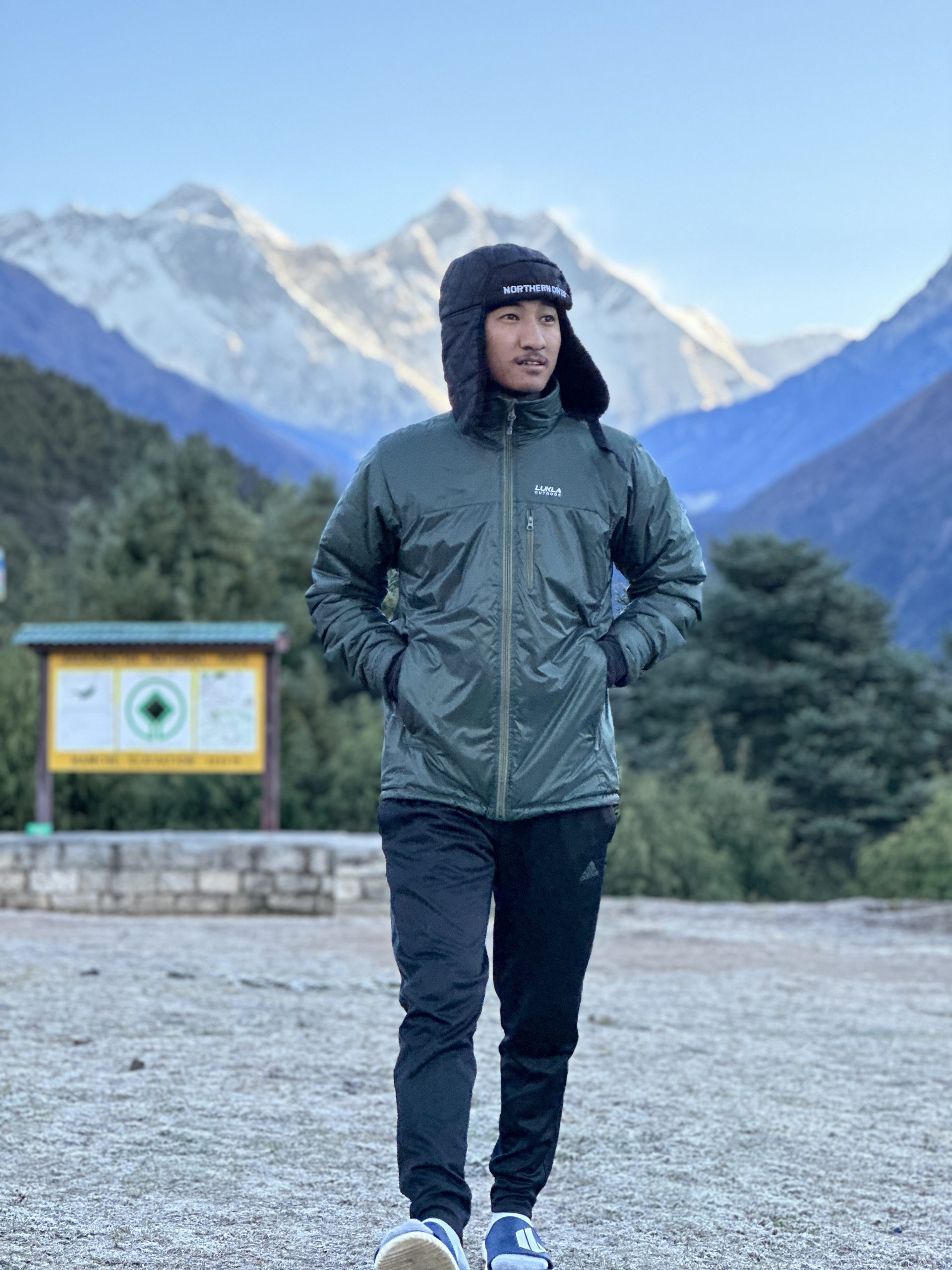
Hello, I'm Ang Tsering Sherpa. For the past 26 years, I've been immersed in the tourism industry, following a path shared by generations of my Sherpa family. With pride, dedication, and a deep-rooted passion, we Sherpas have dedicated ourselves to leading travelers along Nepal’s trails and mountains.
Know More