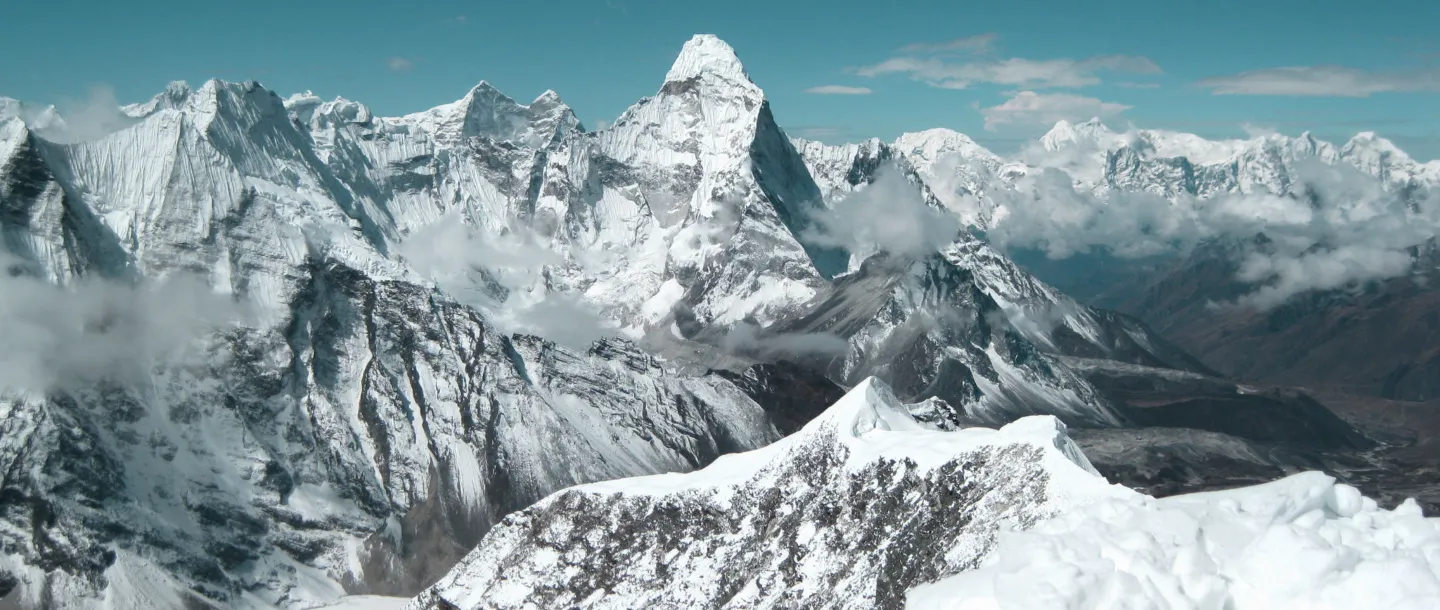
Best Time to Trek in Nepal — Seasonal Guide & Region-Wise Advice
📌 Important Note Before You Read
At Kudos Exped, we understand that weather is the single most important factor affecting trekking routes, transportation, and high-altitude safety in Nepal. With years of experience studying seasonal patterns, flight schedules, road conditions, and regional climate behavior, our team has carefully designed a series of Fixed Departure Trips that align with the best possible month for each specific trek.
These departures have been created so your transportation, itinerary, and overall travel experience are the least affected by weather, giving you the highest chance of completing your trek smoothly, safely, and successfully.
The detailed information below is provided for your general knowledge to help you understand Nepal’s trekking seasons — but when you join a fixed departure with Kudos Exped, all seasonal considerations, weather-risk planning, and timing optimization are handled for you by experts.
Nepal is a land of staggering variety — from subtropical lowlands and jungles in the south, to dramatic Himalayan ridges and high-altitude passes above 8,000 meters. That very variety means when you go makes a huge difference. Weather, trail conditions, accessibility, viewpoints, accommodation, and even safety all depend heavily on the season.
Below is an in-depth guide to help you choose the best time for your trek, depending on what you want: brilliant mountain views, quiet trails, wild flower valleys, or even solitude in snowy mountains.
🗓 Nepal’s Seasons and How They Affect Trekking
Nepal broadly experiences four main seasons relevant for trekking and travel: Spring, Summer/Monsoon, Autumn (Post-Monsoon), and Winter. Each has its own character, advantages, and drawbacks.
🌸 Spring (March – May)
- As winter ends, the air warms, snow begins to melt at lower and mid-altitudes, and landscapes come alive. Many hillsides — especially in mid-hills and lower mountain regions — burst into bloom with flowers like rhododendrons.
- Visibility is generally good, trails are accessible, and weather tends to be stable — especially early in spring before pre-monsoon humidity builds up.
- Trekking in spring offers a lush, green, vibrant environment plus pleasant daytime temperatures — ideal for many popular treks. Save Mountain Treks+1
- For many regions, spring is considered one of the two “prime” trekking seasons along with autumn. Nepal Trekking Routes+2nepalplanettreks.com+2
Pros: Blooming flora and rhododendrons, good views, stable weather, moderate trails.
Cons: As spring progresses (especially late May), humidity and pre-monsoon heat may start affecting lower regions; higher-altitude passes might still have snow or unstable conditions.
🌧 Summer / Monsoon (June – August)
- The summer monsoon brings heavy rainfall across much of Nepal — lowlands, valleys, and many Himalayan foothills. Wikipedia+2gotrekkingnepal.com+2
- For most treks, this is the least favorable time: trails become muddy or slippery, landslide risk increases, and frequent rain/cloud cover hides mountain views. The Nepal Trekking Company+2nepalpeakadventure.com+2
- Road and trail accessibility — including local transport and flights to trekking start points — can be disrupted by floods and landslides. Mountain flights, such as those to Lukla (gateway to Everest region), are often suspended due to poor visibility or unsafe conditions. Wikipedia+2Switchback Travel+2
- On the other hand, some remote or rain-shadow regions (where geography protects them from heavy monsoon rains) remain viable during monsoon — offering lush greenery and fewer crowds. The Nepal Trekking Company+2gotrekkingnepal.com+2
Pros: Lush green scenery, fewer trekkers, potentially lower prices.
Cons: High rainfall risk, trail hazards, disrupted transport & flights, low visibility, limited mountain views.
🍂 Autumn / Post-Monsoon (Late September – November)
Autumn is widely regarded as the best trekking season in Nepal — and for many, the optimal time for Himalayan treks. Lonely Planet+2nepalplanettreks.com+2
What makes autumn so special:
- The monsoon has cleared dust and pollution — skies become crystal-clear, offering breathtaking mountain vistas across major Himalayan ranges. nepalplanettreks.com+2Audley Travel+2
- Daytime temperatures are moderate and pleasant; nights are cool; altitude climbs are comfortable. nepalplanettreks.com+1
- Trails are generally dry, stable, and safer — with less risk of landslides or muddy sections. The Nepal Trekking Company+2gotrekkingnepal.com+2
- Cultural bonus: Autumn also overlaps with many major festivals in Nepal, giving trekkers a chance to experience rich local traditions, culture, and hospitality. nepalecotrekking.com+1
Pros: Best mountain views, safe trails, comfortable weather, vibrant culture.
Cons: Peak trekking season — many treks become crowded; flights/teahouses may require bookings months in advance; slightly higher prices.
❄️ Winter (December – February)
Winter in Nepal brings a mix of challenges and unique experiences — mostly suited for lower-altitude treks or those prepared for cold and snow. nepalplanettreks.com+2nepalpeakadventure.com+2
- In lower valleys and foothills, days can be sunny and clear, offering clean air and excellent visibility. Audley Travel+1
- Trails at higher altitudes, however, often have heavy snow cover, cold nights, and some mountain passes may be closed due to snow or avalanche risk. Wikipedia+2All Nepal Hiking Pvt. Ltd.+2
- For trekkers seeking solitude, quiet trails, snowy landscapes, and budget-friendly trips (off-peak season), winter can offer a special, peaceful trekking experience — mostly on lower/ mid-altitude routes. All Nepal Hiking Pvt. Ltd.+1
Pros: Fewer crowds, peaceful trails, pristine snowy scenery (on suitable treks), lower prices.
Cons: Harsh cold at altitude, snow-covered paths, limited services/teahouses, possible closures of high passes, need for strong winter gear.
🏔 How Best Time to Trek Depends on Trek Region & Transportation
Because Nepal’s geography is extremely diverse — from tropical plains to some of the highest peaks on earth — best time to trek depends heavily on which region you aim to visit — and also on how you enter that region (road, flight, seasonal path, etc.). gotrekkingnepal.com+2Wikipedia+2
🌄 Trekking Routes & Region-Wise Suitability
- High Himalayan Regions (Everest, Annapurna, Manaslu, Langtang, etc.): These are best tackled during autumn (Oct–Nov) or spring (Mar–May) — when trails are open, skies are clear, and weather is stable. High passes, snowlines, and altitude-related risks are lowest in these windows. nepalplanettreks.com+2nepalpeakadventure.com+2
- Lower and Mid-Altitude Treks (e.g. Poon Hill, Ghorepani, Shivapuri, cultural hill-area treks): These are more flexible — some are feasible during winter or even summer (if you avoid heavy rain). However, for maximum comfort and views, spring and autumn remain ideal. namastenepaltrekking.com+2All Nepal Hiking Pvt. Ltd.+2
- Rain-shadow / Protected Regions (e.g. Upper Mustang, Dolpo, certain trans-Himalayan areas): During monsoon, these areas — less affected by heavy rainfall — can still offer viable trekking options. But logistics, permits, and experienced guidance become even more important in these seasons. The Nepal Trekking Company+2gotrekkingnepal.com+2
🚗 Impact on Transportation & Logistics
- Flights to mountain gateways (like Lukla for Everest, Jomsom for Annapurna, etc.): These are highly weather dependent. During the monsoon — with heavy rain, cloud cover, or storms — flights are often delayed or canceled. That can endanger your trek plan or even strand trekkers. Wikipedia+1
- Road access: Rain and landslides during the monsoon can wash out roads, block passes, or make travel dangerous — particularly in hilly and mountainous terrains. Wikipedia+2gotrekkingnepal.com+2
- Trail conditions: Post-monsoon (autumn) or spring trails are generally stable, dry, and safe. Monsoon trails may be muddy, slippery, overgrown, or closed. Winter trails at high altitude may be snowbound or risky due to avalanche, cold, or limited teahouse support. All Nepal Hiking Pvt. Ltd.+2Wikipedia+2
Because of these dynamics — trail conditions, transport reliability, altitude safety, weather stability — picking the right season is often more important than picking the “best-looking route.”
🎯 Recommended Best Times Depending on Goals & Trek Type
Here’s a practical breakdown based on what you want from your Nepal trekking experience:
| Your Goal / Preference | Recommended Time | Why |
| Classic high-altitude treks (Everest, Annapurna Circuit/Base Camp, Manaslu, etc.) | Autumn (late Sep–Nov) or Spring (Mar–May) | Stable weather, clear skies, open routes, good visibility — ideal for high passes, snowlines, and mountain views. |
| Wildflowers, blooming rhododendrons, verdant valleys | Spring (Mar–May) | Floral bloom, green valleys, pleasant weather at lower & mid altitudes. |
| Clear mountain photography, stable dry weather, cultural festivals | Autumn (Oct–Nov) | Post-monsoon clarity, vibrant cultural events, crisp mountain views. |
| Solitude, low crowds, budget travel, short/low-altitude treks | Winter (Dec–Feb) or Late May (shoulder season) | Fewer trekkers, lower prices, peaceful trails — but need winter gear or avoid high passes. |
| Offbeat routes in rain-shadow regions (remote, less-known) | Monsoon (Jun–Aug) (with caution) | Minimum crowd, lush greenery, but risks due to landslides and transport issues — need experienced guidance. |
🏔 Special Note: For High-Altitude & Everest Region Treks
Because high-altitude treks involve glaciers, snow, steep climbs, and sometimes mountain flights, timing is even more critical in these regions:
- For the Everest region, the best windows are mid-October to January and mid-April to May. During these times, weather is relatively stable, skies are often clear, and mountain flights & trails are reliable.
- Outside these windows — especially in monsoon or deep winter — the risk of flight cancellations, snow, storms, poor visibility, and dangerous trail conditions rises significantly.
If you’re aiming for high-altitude treks in the Himalayas, always aim for Spring or Autumn — they give you the best shot of success, safety, and unforgettable mountain views.
✅ Other Considerations When Choosing Trekking Time
🎒 Trekker’s Fitness & Altitude Adaptation
Even in the best seasons, high-altitude treks require proper acclimatization, fitness, and gear. Don’t underestimate altitude effects — plan sufficient rest days especially when crossing high passes.
📅 Accommodation & Permits Pressure
In peak months (autumn, spring), teahouses, lodges, and flights get busy. Permits, flights, and lodging often need booking months in advance — especially for popular treks like Everest Base Camp or Annapurna Circuit.
💸 Costs & Budgeting
Peak seasons mean higher demand — and often higher prices for flights, accommodation, and services. Off-peak seasons (winter, monsoon, shoulder) can be more budget-friendly but may involve trade-offs (weather risk, fewer services, limited access).
🌧 Weather Variability & Nature’s Unpredictability
Mountain weather is famously unpredictable. Even in “ideal” seasons, sudden storms, snow, or wind can occur. Flexibility, awareness, and backup plans (extra days, buffer) are essential when trekking in the Himalayas.
🏕 Environmental Impact & Responsible Trekking
More trekkers during peak seasons means more pressure on trails, waste systems, water sources, and local resources. Try to follow ethical trekking practices — respect nature, avoid littering, respect local communities, and minimize environmental impact.
📝 Final Thoughts: There’s No Single “Best” Time — Only the Best Time For You
Nepal is blessed with a diversity of seasons, terrains, altitudes, cultures — and therefore, a variety of great trekking opportunities all year round. The “best” time depends on what you want to experience:
- Crisp mountain views → Autumn
- Blooming nature & moderate hikes → Spring
- Solitude, quiet paths, low budget → Winter or Shoulder Seasons
- Lush green jungles, remote or offbeat treks → Some monsoon / rain-shadow areas (with caution + guide)
If you pick the season thoughtfully — based on your goals, experience, risk tolerance, and flexibility — you can curate a Nepal trip that’s safe, beautiful, and deeply memorable.
🌟 Need Help Planning Your Nepal Trek?
If you’re thinking of trekking or traveling in Nepal — whether high-altitude Himalayan treks, mid-range hikes, or cultural tours — and want help choosing the ideal season, designing the route, or handling logistics, Kudos Exped is very happy to help you.
Reach out to us with your interests or travel dates, and we’ll help plan a trek that fits your expectations and comfort.
If you found this guide useful, don’t forget — you can share it directly via the icons below with friends or family who are also dreaming of Nepal. A well-timed trek is a great trek.
Hello, I'm Ang Tsering Sherpa. For the past 26 years, I've been immersed in the tourism industry, following a path shared by generations of my Sherpa family. With pride, dedication, and a deep-rooted passion, we Sherpas have dedicated ourselves to leading travelers along Nepal’s trails and mountains.
Know More